Boosting Your Immune System: Supporting Your Body's Defenses
Welcome Back.
Updated at: 2023-08-05 23:11:21 (2 years ago by Melkisedeck Leon Shine)
Boosting Your Immune System: Supporting Your Body's Defenses
As AckySHINE, a health and wellness expert, I am here to share some valuable tips on how to boost your immune system and support your body's natural defenses. In today's fast-paced world, it's important to prioritize our health and take proactive steps to keep our immune system in top shape. With a strong immune system, we can better protect ourselves from illnesses, infections, and other health challenges. So, let's dive right in and discover some effective ways to boost your immune system!
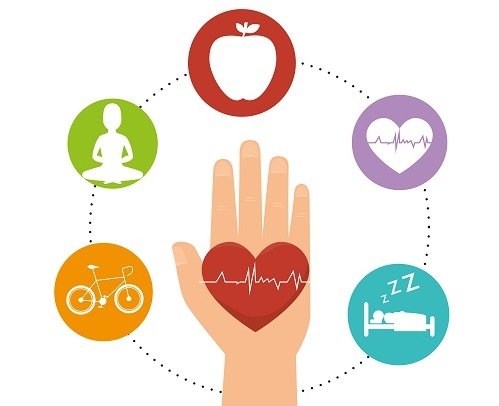
๐ฅฆ Nourish Your Body: A healthy diet plays a crucial role in supporting your immune system. Make sure to include a variety of fruits, vegetables, whole grains, lean proteins, and healthy fats in your meals. These provide essential nutrients like vitamins A, C, D, E, and zinc, which are known to enhance immune function.
๐ฆ Stay Hydrated: Drinking plenty of water throughout the day helps to flush out toxins and keep your body hydrated. Proper hydration is essential for optimal immune function.
๐๏ธโโ๏ธ Get Moving: Regular exercise not only strengthens your muscles but also improves your immune system. Engage in activities you enjoy, such as walking, jogging, dancing, or yoga. Aim for at least 150 minutes of moderate-intensity exercise per week.
๐ด Prioritize Sleep: Adequate sleep is vital for a healthy immune system. Lack of sleep can weaken your body's defenses, making you more susceptible to illnesses. Aim for 7-8 hours of quality sleep each night.
๐ Soak Up Some Sun: Vitamin D, also known as the sunshine vitamin, plays a key role in immune function. Spend some time outdoors and allow your body to absorb sunlight, which helps your body produce vitamin D.
๐งโโ๏ธ Manage Stress: Chronic stress can suppress your immune system, making you more prone to infections. Incorporate stress-reducing activities into your daily routine, such as meditation, deep breathing exercises, or hobbies you enjoy.
๐คง Practice Good Hygiene: Wash your hands frequently, especially before meals and after using the restroom. This simple habit helps prevent the spread of harmful pathogens and keeps your immune system strong.
๐ฟ Consider Herbal Supplements: Certain herbs like echinacea, garlic, and elderberry have been shown to have immune-boosting properties. However, it's important to consult with a healthcare professional before starting any new supplements.
๐ญ Quit Smoking: Smoking weakens the immune system and damages your respiratory system. Quitting smoking not only improves your overall health but also enhances your immune function.
๐โโ๏ธ Stay Active Socially: Engage in social activities that bring you joy and connection. Positive social interactions have been linked to improved immune function.
๐ Rest and Relax: Make time for relaxation and self-care activities. Engaging in activities that bring you joy and help you unwind, like reading, taking a bath, or listening to music, can support your immune system.
๐คฒ Practice Good Hand Hygiene: In addition to washing your hands regularly, avoid touching your face unnecessarily, as this can introduce germs into your body.
๐ค Take Rest Days: Allow your body enough time to rest and recover after intense physical activity. Rest days are essential for maintaining a strong immune system.
๐ค Stay Positive: A positive mindset can positively impact your immune system. Surround yourself with uplifting people, practice gratitude, and focus on the good in your life.
๐คทโโ๏ธ Seek Professional Advice: If you have any concerns about your immune system or general health, it's always best to consult with a healthcare professional. They can provide personalized guidance and address any specific needs or issues you may have.
In conclusion, taking care of your immune system is a vital aspect of maintaining overall health and well-being. By incorporating these tips into your lifestyle, you can boost your immune system and support your body's natural defenses. Remember, a strong immune system is your body's best defense against illnesses and infections, so make your health a priority!
What are your favorite ways to boost your immune system? Feel free to share your thoughts and opinions!
Updated at: 2025-03-01 13:37:36 (1 year ago by Melkisedeck Leon Shine)
Staying active is crucial for overall health and well-being, but for men who lead active lifestyles, maintaining healthy joints is paramount for long-term mobility and comfort. This comprehensive guide offers fifteen actionable strategies to safeguard your joints and ensure you can continue enjoying your favorite activities for years to come.
Joint health isn't just about avoiding pain; it's about preserving your ability to move freely and participate in the activities you love. Neglecting joint care can lead to limitations and discomfort, significantly impacting your quality of life. By proactively implementing these tips, you can significantly reduce your risk of joint problems and maintain optimal physical function.
Prioritize Strength Training: Regular exercise strengthens the muscles surrounding your joints, providing crucial support and stability. This reduces stress on the joints themselves and enhances overall joint health. Consider incorporating weight training, resistance exercises, or bodyweight exercises into your routine.
Warm-up Before Activity: Always prepare your body before any physical activity. A proper warm-up increases blood flow to your joints, improving lubrication and reducing the risk of strains or tears. Include dynamic stretches like arm circles, leg swings, and torso twists.
Master Proper Form and Technique: Whether lifting weights or playing sports, employing correct technique is vital. Improper form puts undue stress on your joints, leading to potential injuries. Consider consulting a fitness professional to refine your technique.
Avoid Overexertion: Listen to your body. Pushing yourself beyond your limits can lead to injuries and exacerbate existing joint issues. Rest and recovery are essential components of a successful fitness regimen. Allow your body adequate time to recover between workouts.
Maintain a Healthy Weight: Excess weight significantly increases the stress on your weight-bearing joints, such as your knees and hips. Shedding excess pounds can dramatically reduce joint pain and improve mobility.
Fuel Your Body with a Balanced Diet: Nutrition plays a pivotal role in joint health. Consume a balanced diet rich in fruits, vegetables, lean proteins, and healthy fats. Foods rich in omega-3 fatty acids, like salmon and flaxseed, can help reduce inflammation.
Stay Hydrated: Water is essential for joint lubrication and flexibility. Aim for at least eight glasses of water daily to maintain optimal joint health.
Invest in Supportive Footwear: Appropriate footwear provides crucial support and cushioning, reducing stress on your joints, especially during high-impact activities. Choose shoes designed for your specific activity.
Regular Stretching: Incorporate regular stretching into your routine to improve joint flexibility, range of motion, and reduce stiffness. Focus on both static and dynamic stretches.
Utilize Protective Gear: When participating in high-impact activities, consider using protective gear like knee pads or elbow pads to cushion your joints and minimize the risk of injury.
Address Joint Pain Promptly: Don't ignore joint pain. Persistent pain could signal a more significant issue. Seek medical advice and follow recommended treatment plans to avoid further damage.
Vary Your Activities: Repetitive movements can strain your joints. Diversify your workouts to minimize strain on specific joints and promote overall balance.
Take Regular Breaks: Prolonged periods of sitting or standing can put stress on your joints. Take short, regular breaks to stretch, walk around, and alleviate pressure.
Incorporate Low-Impact Exercise: Activities like swimming, cycling, and walking are gentle on your joints while providing excellent cardiovascular benefits.
Schedule Regular Check-ups: Regular visits to your doctor or orthopedic specialist allow for early detection of potential problems and facilitate prompt intervention, preventing further complications.
By consistently implementing these strategies, active men can significantly enhance their joint health, ensuring they can continue to enjoy their active lifestyles for many years to come. Remember, proactive joint care is an investment in your long-term well-being and quality of life. Share your own tips and experiences in the comments below!
Updated at: 2025-02-23 23:36:28 (1 year ago by Melkisedeck Leon Shine)
Modern life presents unique challenges for men, demanding success in careers, fulfilling family roles, and maintaining a healthy work-life balance. This constant pressure can lead to overwhelming stress, impacting both mental and physical well-being. Understanding effective stress management is crucial for navigating these demands and thriving. This comprehensive guide offers fifteen actionable strategies to help men build resilience and cultivate a happier, healthier life.
1. Prioritize Self-Care: Self-care isn't selfish; it's essential. Make time for activities that rejuvenate you โ exercise, hobbies, spending quality time with loved ones. These activities replenish your energy and provide a much-needed respite from daily stressors.
2. Embrace Mindfulness: Mindfulness is the practice of being fully present in the moment. By focusing on your breath and your senses, you can quiet the mental chatter and reduce anxiety. Regular mindfulness exercises, even for a few minutes each day, can significantly impact stress levels.
3. Seek Support: Don't shoulder burdens alone. Lean on trusted friends, family, or mental health professionals. Sharing your struggles can lighten the load and provide valuable perspective. Recognizing the need for support is a sign of strength, not weakness.
4. Set Realistic Goals: Avoid overwhelming yourself with unrealistic expectations. Break down large tasks into smaller, manageable steps. Celebrate each accomplishment along the way to maintain momentum and avoid feelings of being overwhelmed.
5. Cultivate a Healthy Lifestyle: A foundation of good health is crucial for stress management. Prioritize a balanced diet, regular physical activity, and sufficient sleep. These habits boost energy, improve mood, and enhance your overall resilience to stress.
6. Master Deep Breathing: Deep, conscious breathing is a powerful tool for calming the nervous system. Practice diaphragmatic breathing techniques regularly to reduce anxiety and promote relaxation in stressful situations.
7. Conquer Time Management: Effective time management is essential for reducing stress. Prioritize tasks, schedule effectively, and learn to delegate when possible. Striving for a healthy work-life balance is key to preventing burnout.
8. Engage in Stress-Reducing Activities: Identify activities that help you unwind and de-stress. This could be anything from listening to music or spending time in nature to engaging in creative pursuits or practicing yoga. Make time for these activities regularly.
9. Avoid Excessive Alcohol Consumption: Alcohol may provide temporary relief, but it's not a sustainable solution for stress. Excessive drinking can exacerbate stress and lead to other health problems. Seek healthier coping mechanisms and professional help if needed.
10. Nurture Connections: Strong social connections are vital for well-being. Spend quality time with loved ones, join social groups, or volunteer to build a supportive network. Social interaction provides emotional support and reduces feelings of isolation.
11. Learn to Say No: Setting boundaries is crucial for preventing burnout. Don't overcommit yourself. Learn to politely decline requests that compromise your well-being or add unnecessary stress to your life.
12. Practice Positive Self-Talk: Challenge negative thoughts and replace them with positive affirmations. Focus on your strengths and accomplishments. Positive self-talk builds resilience and reduces self-criticism, a significant contributor to stress.
13. Disconnect from Technology: Constant connectivity can contribute to stress and anxiety. Schedule regular breaks from screens, disconnect from work emails after hours, and engage in technology-free activities to promote relaxation and mental clarity.
14. Harness the Power of Laughter: Laughter is a potent stress reliever. Watch a comedy, spend time with people who make you laugh, or engage in activities that bring joy and mirth. Laughter releases endorphins, improving mood and reducing stress hormones.
15. Seek Professional Guidance: If stress feels overwhelming or unmanageable, don't hesitate to seek professional help. A therapist or counselor can provide personalized strategies and support to help you develop effective coping mechanisms.
Implementing these stress management techniques is an ongoing process requiring consistent effort and commitment. Prioritizing self-care, building supportive relationships, and adopting healthy habits are vital steps toward building resilience and creating a life filled with less stress and more joy. What strategies work best for you? Share your experiences in the comments below!
Updated at: 2025-06-04 14:06:48 (9 months ago by Melkisedeck Leon Shine)
Cardiovascular disease (CVD) constitutes a significant global health burden; however, proactive lifestyle interventions offer substantial preventative potential. This comprehensive guide details fifteen evidence-based strategies for optimizing cardiovascular health through integrated exercise and dietary modifications, aligned with established principles of health behavior change and disease prevention. The framework presented emphasizes a holistic approach, integrating physical activity, nutritional choices, and stress management techniques.
Enhancing Cardiovascular Fitness Through Physical Activity
Aerobic Exercise Prescription: Adherence to the recommended 150 minutes of moderate-intensity aerobic exercise per week, as outlined in the Physical Activity Guidelines for Americans, is crucial. Activities such as brisk walking, cycling, or swimming improve cardiovascular function and enhance overall fitness. This aligns with the principles of the Dose-Response Relationship in exercise physiology, where greater physical activity leads to greater health benefits. Real-world application involves integrating these activities into daily routines โ taking the stairs instead of the elevator, cycling to work, or incorporating regular walking breaks during the workday.
Resistance Training for Cardiovascular Health: Incorporating at least two sessions of resistance training per week is paramount. Resistance exercises, such as weightlifting or using resistance bands, enhance muscle strength, bone density, and metabolic function, thereby indirectly improving cardiovascular health. This strategy aligns with principles of integrated exercise training, acknowledging the synergistic benefits of combining different modalities for optimal health outcomes. In practice, this could mean joining a gym, using resistance bands at home, or incorporating bodyweight exercises into a daily routine.
Nutritional Strategies for Cardiovascular Health Optimization
Dietary Adherence to the Mediterranean Diet: Adopting a dietary pattern rich in fruits, vegetables, whole grains, lean proteins, and healthy fats (monounsaturated and polyunsaturated) is strongly recommended. This aligns with the well-established benefits of the Mediterranean Diet, a nutritional model associated with reduced CVD risk. The implementation involves actively replacing processed foods with whole, unprocessed options. This may necessitate cooking more frequently at home and meal planning.
Omega-3 Fatty Acid Supplementation: The incorporation of omega-3 fatty acids, found in fatty fish like salmon and mackerel, is beneficial due to their anti-inflammatory properties. These fatty acids exert protective effects on the cardiovascular system. The application of this principle can involve increasing the frequency of fatty fish consumption or considering omega-3 supplements after consulting with a healthcare professional.
Dietary Fiber Augmentation: Increasing dietary fiber intake through foods like oats, beans, lentils, and whole grains is crucial for lowering cholesterol levels and promoting digestive health. This relates to the role of fiber in improving gut microbiota composition, which has implications for systemic inflammation and CVD risk. To increase fiber intake, one could swap refined grains for whole grains, add beans and lentils to meals, or incorporate more fruits and vegetables.
Minimizing Saturated and Trans Fat Consumption: Limiting saturated and trans fats found in processed foods, fried foods, and baked goods is essential for reducing LDL ("bad") cholesterol. This principle relates directly to the lipid hypothesis of atherosclerosis, which links high levels of LDL cholesterol to increased CVD risk. Practical application involves reading nutrition labels carefully and making conscious choices to avoid foods high in these unhealthy fats.
Sodium Reduction Strategies: Reducing sodium intake helps regulate blood pressure, a key risk factor for CVD. This relates to the principles of fluid and electrolyte balance and their influence on blood pressure regulation. To reduce sodium, individuals should choose fresh, minimally processed foods over processed options which are typically high in sodium.
Lifestyle Modifications for Enhanced Cardiovascular Well-being
Hydration Optimization: Maintaining adequate hydration supports blood circulation and overall bodily functions. This principle connects to the fundamental role of water in various physiological processes. Consistent hydration can be achieved by carrying a water bottle and making a conscious effort to drink water throughout the day.
Stress Management Techniques: Effective stress management is critical as chronic stress negatively impacts cardiovascular health. Stress reduction techniques like yoga, meditation, and deep breathing exercises can help regulate the autonomic nervous system and reduce the body's stress response. This is rooted in the understanding of the mind-body connection and its influence on physiological processes. Implementing stress management could involve regular practice of yoga or meditation, or simply taking time for relaxation activities.
Smoking Cessation and Alcohol Moderation: Smoking cessation and moderate alcohol consumption are paramount, as both significantly increase CVD risk. This relates to the direct toxic effects of smoking and the impact of excessive alcohol consumption on liver function and blood pressure. For smokers, accessing cessation programs or nicotine replacement therapy is highly recommended. For alcohol consumers, limiting intake to recommended levels is essential.
Regular Cardiovascular Health Screenings: Regular check-ups with a healthcare provider for cardiovascular risk assessment are crucial for early detection and management of potential issues. This is based on the principle of early intervention in disease management. Regular screenings can identify risk factors early and allow for timely intervention.
Sleep Hygiene Optimization: Prioritizing adequate sleep (7-9 hours of quality sleep) is essential. Sleep deprivation is linked to increased CVD risk through its effects on hormonal regulation, inflammation, and blood pressure. Establishing a regular sleep schedule and creating a conducive sleep environment are crucial strategies for improving sleep quality.
Social Support Network Cultivation: Strong social support networks offer emotional resilience and reduce stress, positively impacting cardiovascular health. This is rooted in the social determinants of health, which emphasize the role of social connections in health outcomes. Maintaining strong social relationships can involve making time for friends and family and engaging in social activities.
Portion Control and Weight Management: Practicing portion control and maintaining a healthy weight minimizes the risk of obesity and related CVD risk factors. This principle relates to the metabolic syndrome concept, which highlights the clustering of risk factors associated with obesity. Implementing portion control involves being mindful of food intake and using smaller plates.
Behavior Modification Techniques: Selecting enjoyable physical activities and healthy foods increases adherence and promotes sustainable lifestyle changes. This is based on the principles of behavior modification and self-efficacy, acknowledging the importance of individual motivation and enjoyment in sustaining lifestyle changes. Finding enjoyable activities and foods helps individuals stay motivated and committed to long-term lifestyle changes.
Conclusion and Recommendations
Optimizing cardiovascular health requires a multifaceted, long-term commitment to lifestyle modification. The integration of regular physical activity, a heart-healthy diet, effective stress management, and proactive health screenings significantly reduces CVD risk. Individualized approaches, tailored to specific needs and risk profiles, guided by healthcare professionals, are essential. Future research should focus on exploring the efficacy of integrating digital health interventions and personalized medicine approaches for optimizing adherence to lifestyle recommendations and improving population-level cardiovascular health outcomes. The application of these strategies has significant implications for reducing the global burden of CVD and improving quality of life.
Reader Pool: Considering the holistic approach outlined in this article, what strategies do you believe are most impactful in promoting long-term adherence to heart-healthy lifestyle changes within diverse populations?
Updated at: 2023-08-05 23:08:45 (2 years ago by Melkisedeck Leon Shine)
Fitness at Home: Effective Workouts without the Gym
Staying fit and maintaining a healthy lifestyle has become even more important in today's world. With many people unable to go to the gym due to various reasons, finding alternative ways to exercise and stay active has become a necessity. As AckySHINE, I advice that you don't need a gym membership to stay fit and healthy. With some creativity and the right mindset, you can achieve great results right in the comfort of your own home. Here are 15 effective workouts you can do without the gym:
Bodyweight exercises: Don't underestimate the power of your own body weight. Exercises like push-ups, squats, lunges, and planks can be done anywhere and are great for building strength and endurance. ๐ช
High-intensity interval training (HIIT): HIIT workouts are a great way to burn calories and improve cardiovascular fitness. These workouts involve short bursts of intense exercise followed by rest periods. They can be done using exercises like burpees, mountain climbers, and jumping jacks. โฑ๏ธ
Yoga: Yoga is not only a great way to improve flexibility and strength, but it also helps in reducing stress and promoting mental well-being. There are plenty of online resources and apps that offer guided yoga sessions for all levels. ๐งโโ๏ธ
Dance workouts: Turn on your favorite music and start dancing! Dancing is not only fun, but it also provides a great cardio workout. You can try different dance styles like Zumba, hip hop, or even just freestyle. ๐
Skipping rope: Remember the good old skipping rope from your childhood? Well, it's time to bring it back! Skipping rope is an excellent cardio workout that also works on coordination and agility. It's a simple yet effective way to get your heart rate up. ๐โโ๏ธ
Resistance bands: Investing in a set of resistance bands can open up a world of possibilities for your home workouts. You can use them to target specific muscle groups and add resistance to exercises like bicep curls, lateral raises, and squats. ๐ช
Stair workouts: If you have a staircase at home, you have a built-in workout machine! Running up and down the stairs is a fantastic way to get your heart rate up and work your legs. You can also try step-ups and lunges on the stairs for added intensity. ๐๏ธ
Circuit training: Create a circuit of different exercises and perform each one for a set amount of time or repetitions. This type of workout keeps your heart rate elevated and targets multiple muscle groups. You can get creative with exercises like jumping jacks, push-ups, burpees, and squats. โก
Pilates: Pilates is a low-impact exercise that focuses on core strength, flexibility, and posture. There are many online classes and tutorials available that can guide you through Pilates workouts using just a mat. ๐งโโ๏ธ
Outdoor activities: Take advantage of the great outdoors and engage in activities like hiking, biking, or running. Not only do these activities provide a great workout, but they also allow you to enjoy nature and get some fresh air. ๐ณ
Online workout classes: Many fitness influencers and trainers offer online workout classes that you can follow along with from home. These classes range from cardio workouts to strength training and can be a great way to stay motivated and accountable. ๐ป
Household chores: Believe it or not, household chores can be a great way to burn calories and get active. Activities like vacuuming, mopping, gardening, and cleaning can all contribute to your daily activity levels. ๐งน
Fitness apps: There are numerous fitness apps available that offer a wide range of workout routines and programs. These apps provide guidance, tracking, and motivation to help you reach your fitness goals. ๐ฑ
Virtual personal training: If you prefer a more personalized approach, many personal trainers now offer virtual training sessions. These sessions can be tailored to your specific goals and needs, providing you with professional guidance and support. ๐ช
Stay active throughout the day: Remember that staying active doesn't only mean doing structured workouts. It's important to find ways to incorporate movement into your daily routine. Take breaks from sitting, stretch regularly, and go for short walks whenever possible. ๐ถโโ๏ธ
As AckySHINE, I recommend finding a workout routine that you enjoy and can stick to. Consistency is key when it comes to fitness, so choose activities that you genuinely enjoy and look forward to. Mix up your workouts to keep them interesting and challenging. Listen to your body and make modifications or take rest days when needed. And most importantly, have fun and celebrate your progress along the way! ๐
What are your favorite ways to stay active at home? Share your opinions and experiences in the comments below!
Updated at: 2023-08-05 23:11:37 (2 years ago by Melkisedeck Leon Shine)
Male Menopause: Understanding Hormonal Shifts
๐ Introduction: As AckySHINE, I am here to shed light on a topic that is often overlooked or misunderstood โ male menopause. While it is commonly known that women experience hormonal shifts during menopause, many are unaware that men also go through a similar process. In this article, we will delve into the concept of male menopause, also known as andropause, and explore the hormonal changes that occur in men as they age.
๐ Understanding Male Menopause:
Male menopause, or andropause, refers to a natural decline in testosterone levels in men as they age. It typically occurs between the ages of 40 and 55, but can vary from person to person.
Just like women experience a decrease in estrogen during menopause, men experience a decrease in testosterone. This can lead to a variety of symptoms and physical changes.
Symptoms of male menopause may include fatigue, reduced libido, difficulty concentrating, depression, irritability, and sleep disturbances. These changes can have a significant impact on a man's quality of life.
It's important to note that the hormonal changes during male menopause are gradual and can often be mistaken for other health issues. Consulting with a healthcare professional is recommended for an accurate diagnosis.
Contrary to popular belief, male menopause is not a sudden event, but rather a gradual process. Changes in testosterone levels can occur over a period of several years.
๐ฌ The Science Behind Male Menopause:
Testosterone is the primary male sex hormone responsible for the development of male characteristics, such as muscle mass, bone density, and fertility. As men age, their testosterone production naturally decreases.
The decline in testosterone levels can result in physical changes such as loss of muscle mass, increased body fat, and decreased bone density. It can also affect emotional well-being and cognitive function.
Hormonal imbalances during male menopause can also contribute to the development of certain health conditions, including cardiovascular disease, diabetes, and osteoporosis.
While testosterone replacement therapy (TRT) is available to help alleviate the symptoms of male menopause, it is important to undergo a thorough evaluation and consult with a healthcare professional before considering such treatment options.
๐ก Coping with Male Menopause:
Maintaining a healthy lifestyle can help manage the symptoms of male menopause. Regular exercise, a balanced diet, and adequate sleep can all contribute to overall well-being.
Engaging in stress-reducing activities such as meditation, yoga, or hobbies can also help alleviate symptoms and improve emotional well-being.
Open communication with your partner about the changes you may be experiencing is crucial. Understanding and support from loved ones can make a significant difference in coping with male menopause.
Seeking professional help from a therapist or counselor can provide additional support and guidance during this transitional period.
As AckySHINE, I recommend taking a proactive approach to your health by scheduling regular check-ups and screenings. This can help identify any underlying health conditions and allow for early intervention.
Remember, male menopause is a natural part of the aging process. Embrace the changes and seek the necessary support to navigate this new chapter of life with confidence and vitality.
๐โโ๏ธ Conclusion: Understanding male menopause and the hormonal shifts that occur is essential for both men and their partners. By recognizing the symptoms, seeking professional help, and implementing healthy lifestyle choices, men can effectively manage the challenges that come with this stage of life. As AckySHINE, I hope this article has provided valuable insight and guidance on the topic of male menopause. Share your thoughts and experiences in the comments below! What strategies have you found helpful in coping with male menopause?
Updated at: 2025-05-25 11:40:12 (9 months ago by Melkisedeck Leon Shine)
Androgenic alopecia, commonly known as male pattern baldness, affects a significant portion of the male population. This condition, characterized by progressive hair thinning and loss, can impact self-esteem and overall well-being. This article presents a holistic approach to managing androgenic alopecia, encompassing lifestyle modifications, product selection, and professional consultation. We will explore various strategies grounded in established dermatological and trichological principles to promote hair health and improve confidence.
1. Personalized Hairstyle Selection: Optimizing Aesthetics
Rather than viewing thinning hair as a negative, consider it an opportunity to explore new, flattering hairstyles that complement facial features and hair texture. A skilled barber or stylist can provide tailored recommendations, leveraging principles of visual balance and proportion to create a hairstyle that minimizes the appearance of thinning areas. This approach aligns with the concept of adaptive self-presentation, where individuals strategically adjust their appearance to achieve a desired social impression.
2. Targeted Hair Product Selection: Enhancing Hair Health and Volume
Selecting appropriate hair care products is crucial. Shampoos and conditioners formulated for thinning hair often incorporate ingredients known to stimulate hair follicles and improve hair density. Biotin, keratin, and caffeine are commonly included for their potential hair growth-promoting properties. The choice of products should consider individual scalp type and hair texture to prevent irritation and maximize efficacy. This aligns with the principle of personalized medicine, emphasizing individual tailoring of treatment based on unique characteristics.
3. Gentle Hair Care Practices: Minimizing Mechanical Stress
Aggressive hair washing and styling techniques can exacerbate hair thinning. Using lukewarm water instead of hot water helps preserve the scalp's natural lipid barrier, preventing dryness and fragility. Gently patting the hair dry with a soft towel, rather than rubbing, minimizes breakage. This gentle approach minimizes mechanical stress on the hair shaft, a key factor in maintaining hair integrity. This aligns with the principle of minimizing iatrogenic harm, where avoiding unnecessary damage from treatment is prioritized.
4. Minimizing Heat Styling: Preventing Thermal Damage
Frequent use of heat styling tools (hairdryers, straighteners, curling irons) can cause significant damage to already fragile hair. Heat styling should be minimized, or if used, a heat protectant spray should be applied beforehand to mitigate thermal damage. This aligns with the principle of reducing environmental stressors on hair, a crucial component of maintaining healthy hair.
5. Scalp Health Optimization: Stimulating Hair Follicles
A healthy scalp is essential for hair growth. Topical scalp treatments containing ingredients like tea tree oil, peppermint oil, or saw palmetto may stimulate hair follicles and improve scalp circulation. These ingredients have demonstrated potential benefits in some studies, aligning with the principle of targeted intervention to address underlying contributing factors.
6. Nutritional Support for Hair Growth: Enhancing Systemic Health
A balanced diet rich in proteins, vitamins, and minerals is crucial for overall health, including hair health. Foods like salmon, nuts, eggs, and leafy greens are particularly beneficial due to their high content of nutrients vital for hair growth. A consultation with a registered dietitian can provide personalized dietary guidance. This approach is based on the understanding of the interconnectedness of systemic health and hair health; optimal nutrition directly supports hair growth.
7. Hydration: Maintaining Optimal Physiological Function
Adequate hydration is vital for numerous bodily functions, including hair growth. Maintaining proper hydration keeps the scalp and hair follicles adequately nourished, optimizing hair growth potential. Aim for at least eight glasses of water per day. This is consistent with the principle of maintaining homeostasis, ensuring optimal physiological function for cellular processes including hair growth.
8. UV Protection: Shielding Against Environmental Damage
UV radiation from sunlight can damage hair and accelerate thinning. Protecting the hair from sun exposure through the use of hats or UV-protective hair products is vital for preserving hair health. This is based on the principle of protecting against environmental aggressors, a critical aspect of preventative hair care.
9. Regular Hair Trims: Maintaining Hair Integrity
Regular trims (every 4-6 weeks) remove split ends, promoting a healthier appearance and preventing further damage. Even with thinning hair, a well-maintained haircut can significantly improve overall aesthetic appeal. This is an example of preventative maintenance, addressing potential issues before they escalate.
10. Hair Supplements: Augmenting Nutritional Intake
Hair supplements containing biotin, vitamin E, and zinc may provide additional support for hair growth, especially when dietary intake is insufficient. However, it's crucial to consult a healthcare professional before starting any new supplement regimen. This approach uses the principle of supplemental therapy, addressing nutritional deficiencies that may hinder hair growth.
11. Stress Management: Reducing Physiological Impact
Stress can negatively affect hair health. Implementing stress-reducing techniques such as exercise, meditation, or engaging in hobbies can positively influence hair growth. This is grounded in the understanding of the mind-body connection and the impact of stress on various physiological processes, including hair growth.
12. Patience and Realistic Expectations: Acknowledging the Time Course of Hair Growth
Hair growth is a gradual process; visible results may take time. Maintaining a consistent hair care routine and a positive mindset are essential for long-term success. This underscores the importance of realistic expectations and sustained effort in managing chronic conditions such as androgenic alopecia.
13. Professional Consultation: Seeking Expert Guidance
For significant hair loss or concerns about the underlying causes, consulting a dermatologist or trichologist is highly recommended. These professionals can provide a thorough evaluation, diagnose underlying conditions, and recommend appropriate treatments, including medical interventions if necessary. This advocates for seeking expert medical advice for personalized diagnosis and management.
14. Self-Acceptance and Confidence Building: Fostering Positive Self-Image
Embracing one's appearance and fostering a positive self-image are crucial for overall well-being. Developing self-acceptance and confidence can mitigate the psychological impact of androgenic alopecia. This highlights the importance of psychological well-being alongside physical health in managing the condition effectively.
15. Community Engagement and Information Sharing: Leveraging Collective Experience
Sharing experiences and information within supportive communities can provide valuable insights and emotional support. Connecting with others facing similar challenges can reduce feelings of isolation and provide encouragement. This emphasizes the power of social support and community in navigating personal health challenges.
Managing androgenic alopecia requires a multi-faceted approach encompassing lifestyle modifications, product selection, and potentially medical interventions. The strategies outlined above provide a framework for optimizing hair health, mitigating the appearance of thinning hair, and enhancing self-confidence. Further research focusing on the efficacy of various topical treatments, the role of specific nutrients in hair growth, and the psychological impact of androgenic alopecia is warranted. Early intervention and proactive management, combined with a positive mindset and support system, are key to achieving the best possible outcome. The holistic approach presented here, combining preventative measures with targeted interventions, offers a comprehensive strategy for individuals dealing with this common condition. The successful implementation of these recommendations relies on individualized tailoring, consistent adherence, and realistic expectations regarding the time-dependent nature of hair growth. The application of relevant theories, such as the biopsychosocial model which emphasizes the interplay of biological, psychological, and social factors in health, underscores the integrated nature of this approach to managing androgenic alopecia.
Reader Pool: Considering the multifaceted nature of androgenic alopecia management discussed in this article, what additional strategies or research areas do you believe are crucial for improving the well-being of men experiencing hair thinning?
Updated at: 2025-04-14 08:26:35 (10 months ago by Melkisedeck Leon Shine)
Men's health is paramount, yet often overlooked. This guide provides fifteen actionable steps for men to prioritize their health and live fulfilling lives. We emphasize proactive health management and the importance of open communication with healthcare providers.
Regular exercise is crucial for both physical and mental well-being. Aim for at least 150 minutes of moderate-intensity cardio weekly (brisk walking, cycling, swimming). Supplement this with strength training to build muscle mass and boost metabolism. Consistent physical activity is an investment in long-term health and vitality, reducing the risk of chronic diseases and improving overall fitness levels. Find activities you enjoy to ensure adherence and make exercise a sustainable part of your routine.
A balanced diet is the cornerstone of good health. Focus on nutrient-rich foods: fruits, vegetables, lean proteins, and whole grains. Stay hydrated by drinking plenty of water. Minimize processed foods, sugary drinks, and unhealthy fats. A well-balanced diet provides the necessary vitamins, minerals, and energy for optimal bodily functions, contributing to increased energy levels, improved mood, and a stronger immune system. Consult a registered dietitian for personalized dietary advice tailored to your individual needs and health goals.
Mental health is as crucial as physical health. Recognize the signs of stress, anxiety, or depression and seek professional help when needed. Incorporate self-care practices: meditation, yoga, spending time in nature. These practices promote relaxation, reduce stress, and enhance overall well-being. Prioritizing mental health reduces the risk of burnout and improves emotional resilience, leading to a more fulfilling and balanced life. Don't hesitate to seek support from friends, family, or mental health professionals.
Regular check-ups are essential for early detection and prevention of diseases. Schedule annual check-ups, including screenings for high blood pressure, high cholesterol, and other relevant conditions based on your age and family history. Open communication with your doctor is key for personalized care and addressing any health concerns promptly. Preventative healthcare is a proactive approach to maintaining health and preventing serious health problems before they develop.
Adequate sleep (7-9 hours) is vital for physical and cognitive restoration. Establish a consistent sleep schedule, create a relaxing bedtime routine, and optimize your sleep environment. Sufficient sleep improves cognitive function, mood, and physical health, enhancing overall well-being and reducing the risk of various health problems. Prioritize sleep as an integral part of your health routine.
Safe sexual practices are crucial for preventing sexually transmitted infections (STIs) and ensuring reproductive health. Consistently use barrier methods like condoms and consider regular STI screenings. Open communication with sexual partners about sexual health is essential for mutual protection and responsible sexual practices. Understanding and practicing safe sex is crucial for long-term health and well-being.
Maintaining a healthy weight through exercise and a balanced diet significantly reduces the risk of various health problems. Consult a healthcare professional or registered dietitian to determine a healthy weight range for your body type and lifestyle. Achieving and maintaining a healthy weight improves overall health and reduces the risk of chronic diseases, leading to a healthier and more energetic lifestyle.
Excessive alcohol consumption has serious health consequences. Limit your alcohol intake or abstain altogether. If you choose to drink, do so in moderation and be aware of the potential risks. Responsible alcohol consumption contributes to a healthier lifestyle and reduces potential health risks associated with excessive alcohol use. Be mindful of your alcohol intake and seek help if you believe you have a problem.
Chronic stress negatively impacts physical and mental health. Develop healthy coping mechanisms: exercise, meditation, deep breathing, spending time with loved ones, engaging in hobbies. Effective stress management techniques promote relaxation, improve mood, and boost overall well-being, leading to a more balanced and fulfilling life. Identify your personal stressors and develop strategies that work best for you.
Strong social connections are vital for mental and emotional well-being. Nurture relationships with family, friends, and community members. Engage in social activities and seek support from your network during challenging times. Strong social connections provide emotional support, reduce feelings of isolation, and improve overall mental health. Prioritize building and maintaining strong relationships with the people who matter most to you.
Regular screenings are essential for early detection of potential health problems. These may include blood pressure, cholesterol, blood sugar, and cancer screenings, depending on age, risk factors, and family history. Regular screenings are crucial for early diagnosis and treatment of various health issues, significantly improving health outcomes. Consult your doctor to determine the appropriate screening schedule for your individual needs.
Quitting smoking is a crucial step toward improving your overall health. Smoking significantly increases the risk of various cancers, heart disease, and respiratory illnesses. Seek support from your doctor or utilize available resources to help you quit. Quitting smoking has immediate and long-term health benefits, leading to improved respiratory function, cardiovascular health, and overall quality of life. There are many resources available to assist with smoking cessation.
Regular testicular self-examinations are crucial for early detection of abnormalities. Perform monthly self-checks and consult a healthcare professional if you notice any unusual lumps or changes. Early detection through regular self-examinations significantly improves the chances of successful treatment and positive health outcomes. Don't hesitate to seek medical attention if you notice any unusual changes.
Prioritize workplace safety by following safety protocols, using protective equipment, and adhering to ergonomic practices to prevent injuries. Address workplace stress and burnout proactively. A safe and supportive work environment contributes to better physical and mental health, reducing the risk of workplace accidents and promoting overall well-being. Prioritize your safety and well-being in the workplace.
Open and honest communication with healthcare professionals is vital for effective healthcare. Don't hesitate to discuss any health concerns, symptoms, or questions with your doctor. Proactive communication leads to better health outcomes. Open communication with your healthcare provider ensures you receive appropriate care and treatment for your individual needs. Don't hesitate to ask questions and express your concerns.
By embracing these fifteen steps, men can dramatically improve their health and well-being. Prioritizing health is an investment in a longer, healthier, and more fulfilling life. Remember, proactive steps today contribute to a healthier tomorrow. Share your health and well-being strategies in the comments below!
Updated at: 2025-03-01 19:54:48 (1 year ago by Melkisedeck Leon Shine)
```htmlIn today's fast-paced world, the significance of strong, healthy relationships cannot be overstated. Meaningful connections are fundamental to our well-being, yet nurturing these bonds requires conscious effort and a commitment to growth. This guide provides actionable strategies to foster deeper emotional intimacy within your relationships, paving the way for greater happiness and fulfillment.
Trust serves as the cornerstone of any healthy relationship. It creates a secure environment where individuals feel empowered to express themselves authentically, free from fear of judgment or betrayal. Openness and vulnerability are paramount in building this foundational trust. Without it, intimacy cannot flourish.
Effective communication extends beyond mere conversation; it encompasses active listening, empathy, and the ability to articulate thoughts and feelings with respect and honesty. Open and honest dialogue is crucial for deepening emotional connections, navigating conflicts constructively, and fostering mutual understanding. Learning to communicate effectively is a skill that strengthens all aspects of a relationship.
Showing appreciation, both for significant acts and everyday gestures, significantly strengthens emotional bonds. Regular expressions of gratitude reinforce the value of your loved ones and solidify your commitment to the relationship. A simple "thank you" can hold immense power in conveying appreciation and fostering connection.
Dedicated quality time is an invaluable investment. Whether it's a shared walk in nature, a movie night, or simply enjoying a cup of coffee together, these moments foster intimacy and create lasting memories. Prioritize undivided attention, minimizing distractions to truly connect and engage with your loved one.
Holding onto resentment and grudges erodes the foundation of any relationship. Forgiveness, while challenging, is essential for healing and moving forward. Learning to let go of past hurts allows for repairing the bond and building a stronger future together. It is a crucial act of self-care and strengthens the relationship's resilience.
Unwavering support during both triumphs and challenges is a hallmark of strong relationships. Be a listening ear, offer encouragement, and genuinely celebrate your loved ones' successes. This consistent support cultivates a sense of security and deepens emotional connection, showcasing your unwavering commitment.
Recognizing and respecting individual boundaries is vital for maintaining healthy relationships. Every person has unique needs and limits; honoring these demonstrates consideration and strengthens mutual trust. Always seek consent and avoid crossing any boundaries, ensuring that everyone feels respected and safe.
Actively celebrating each other's accomplishments fosters a sense of shared joy and mutual support. Sharing in your loved ones' successes strengthens the bond and demonstrates genuine happiness for their achievements. It's a powerful way to show your love and appreciation.
Life inevitably presents challenges; showing empathy and understanding during difficult times is essential. Seeking to understand your loved one's perspective, even if you don't fully agree, demonstrates care and strengthens the emotional connection. Offering a supportive presence can make a profound difference.
Unexpected gestures, no matter how small, can reignite the spark and demonstrate thoughtfulness. A surprise date night, a thoughtful gift, or even a handwritten note expressing appreciation can revitalize the relationship and strengthen the emotional bond. These acts showcase your love and affection in meaningful ways.
Establishing shared rituals and traditions fosters a sense of belonging and continuity. Whether it's a weekly game night, an annual vacation, or a simple nightly conversation, these shared experiences create lasting memories and strengthen emotional connections. They provide a sense of stability and predictability in the midst of life's changes.
In today's distractible world, being fully present when spending time with loved ones is crucial. Put away phones and other distractions, engage in meaningful conversations, and savor each other's company without interruption. Mindful presence allows for deeper connection and strengthens emotional intimacy.
Simple acts of physical affection, such as holding hands, hugging, or kissing, release oxytocin, a hormone that fosters bonding and trust. These gestures communicate love and affection, reinforcing the emotional connection and enhancing feelings of security and closeness.
Sharing laughter and fun creates positive memories and strengthens the emotional bond. Plan activities that bring joy and laughter into your relationship, whether it's playing games, embarking on adventures, or simply enjoying each other's company. Laughter is a powerful tool for building strong relationships and overcoming challenges.
Building healthy relationships and nurturing emotional connections is an ongoing journey requiring dedication and commitment. By consistently practicing these strategies, you can cultivate deep and meaningful bonds that enrich your life. Open communication, genuine appreciation, and mindful presence are key to fostering lasting emotional connections. Remember that healthy relationships are built through consistent effort and mutual understanding, leading to lasting happiness and fulfillment.
Embrace these practices, observe the positive impact on your relationships, and share your insights and experiences. How do you nurture your emotional connections? We encourage you to share your thoughts and experiences in the comments below.
```
Updated at: 2025-05-31 13:26:01 (9 months ago by Melkisedeck Leon Shine)
In today's demanding world, prioritizing mental and emotional well-being is crucial, particularly for men. This article explores the profound impact of mindfulness and meditationโdefined as present moment awareness without judgment and the focused training of attention, respectivelyโon men's holistic well-being. We will analyze their benefits through established psychological and physiological lenses, examining their applications in various life domains. The efficacy of these practices is supported by robust research in areas such as cognitive psychology, positive psychology, and stress physiology.
Stress Reduction and Cognitive Enhancement: Chronic stress, a prevalent issue among men, triggers physiological responses that negatively impact physical and mental health. Mindfulness intervenes directly by anchoring attention to the present, preventing rumination on past or future anxieties. This aligns with the core tenets of Cognitive Behavioral Therapy (CBT), effectively interrupting maladaptive thought patterns associated with stress and promoting a state of calm. Neuroimaging studies have demonstrated that regular mindfulness meditation enhances cognitive functions, including attention, working memory, and executive function, possibly via increased grey matter density in relevant brain regions. This enhanced cognitive capacity translates to improved performance in various aspects of life, whether professional or personal.
Enhanced Self-Awareness and Emotional Regulation: Mindfulness cultivates heightened self-awareness, a cornerstone of emotional intelligence. By observing thoughts, feelings, and bodily sensations without judgment, men gain a deeper understanding of their internal landscape. This heightened awareness, central to self-regulation models, empowers them to identify and manage emotional responses more effectively. Techniques like Vipassanฤ meditation specifically train this self-regulatory capacity, enabling individuals to navigate challenging situations with increased composure and reduce impulsive reactions driven by negative emotions.
Anger Management and Improved Relationships: Anger management represents a significant area where mindfulness and meditation offer practical solutions. By promoting self-awareness, these practices enable men to recognize anger triggers and associated physiological changes, interrupting the cycle of impulsive reactivity. This aligns with the principles of Dialectical Behavior Therapy (DBT), which emphasizes both mindful acceptance of emotions and the development of adaptive coping skills. The resulting improvement in emotional regulation fosters healthier communication patterns, enhancing relationship quality and contributing to greater interpersonal harmony.
Promoting Self-Compassion and Self-Acceptance: The cultivation of self-compassion, a central concept within positive psychology, is another significant benefit. Mindfulness encourages a compassionate and accepting attitude toward oneself, particularly during periods of struggle or self-criticism. This fosters resilience and self-esteem, counteracting negative self-talk often associated with low self-worth. Self-compassion theory underscores the positive impact of self-kindness and self-acceptance on overall well-being, leading to increased happiness and a more positive self-image. This is particularly relevant for men often socialized to suppress vulnerability.
Physical Health Benefits and Societal Norm Transcendence: The positive influence of mindfulness and meditation extends beyond mental well-being to encompass physical health. Research demonstrates correlations between regular practice and improvements in various physiological indicators including reduced blood pressure, better sleep quality, and enhanced immune function. Further, these practices promote self-discovery and self-acceptance, empowering men to challenge restrictive societal norms and embrace authenticity. This aligns with humanistic psychology's emphasis on self-actualization and personal growth, fostering a sense of congruence between one's internal self and external expression.
Creative Expression and Expanded Perspective: The mental clarity fostered by meditation can unlock creative potential by providing a space for intuitive thought and inspiration. This relates to creativity theories emphasizing divergent thinking and the accessing of unconscious processes. Furthermore, increased inner peace often translates to enhanced empathy and compassion, broadening one's worldview and strengthening interpersonal connections on both personal and societal levels. The ability to understand different perspectives enhances collaboration and contributes to a more harmonious and globally-aware existence.
Accessibility and Practical Integration: The benefits of mindfulness and meditation are universally accessible, irrespective of background or belief. A wealth of resourcesโapps, online platforms, and guided programsโprovides readily available tools for initiating and sustaining a practice. Even short daily sessions can yield noticeable improvements. The incorporation of mindfulness into the routines of high-achievers, from athletes to executives, exemplifies its versatility and practical applicability across various domains.
Mindfulness and meditation provide a multifaceted approach to improving men's well-being, impacting emotional regulation, cognitive function, physical health, and interpersonal relationships. These practices, supported by robust research across multiple disciplines, are accessible and adaptable. Future research could delve into the specific neurobiological mechanisms underlying these effects, investigating brain plasticity and hormonal responses to inform the development of more targeted interventions. Integrating mindfulness and meditation into men's health programs could significantly enhance mental and physical health outcomes. Their widespread applicability makes them a valuable tool for addressing diverse challenges, from stress management to relationship issues and self-esteem concerns. A longitudinal, multi-cohort study comparing the effectiveness of different mindfulness techniques in diverse male populations would be highly beneficial for optimizing the application of these practices.
Reader Pool: Considering the multifaceted benefits of mindfulness and meditation as discussed, how might the integration of these practices within existing healthcare systems or workplace wellness programs most effectively address the unique needs and challenges faced by men?