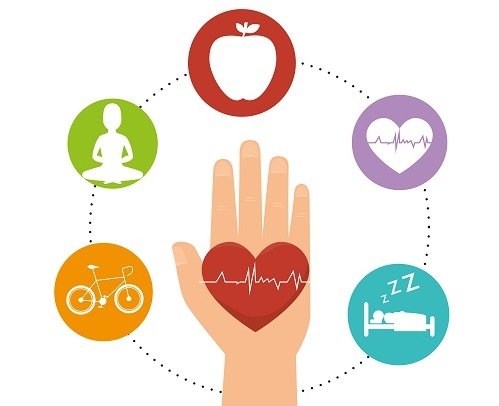
The Habit of Lifelong Learning: Growing and Evolving
Welcome Back.
Updated at: 2023-08-05 23:47:16 (2 years ago by Melkisedeck Leon Shine)
The Habit of Lifelong Learning: Growing and Evolving
In today's fast-paced and ever-changing world, it is becoming increasingly important to cultivate the habit of lifelong learning. As we navigate through different stages of our lives, being open to new knowledge and experiences not only helps us adapt to the changing times but also allows us to grow and evolve as individuals. π±π
Lifelong learning is an ongoing process that extends far beyond the classroom. It is the conscious decision to continuously seek out new information, skills, and perspectives throughout our lives. π
As AckySHINE, I advise embracing lifelong learning as a way to stay relevant in a rapidly changing job market. Industries are constantly evolving, and those who are willing to adapt and acquire new skills are more likely to thrive in their careers. πΌπ‘
Lifelong learning also has numerous personal benefits. It keeps our minds sharp and active, improves our problem-solving abilities, and enhances our overall cognitive function. It is like exercise for the brain! π§ πͺ
The availability of online resources and courses has made lifelong learning more accessible than ever before. Platforms like Coursera, Udemy, and Khan Academy offer a wide range of courses on various subjects, allowing us to learn at our own pace and from the comfort of our homes. π₯οΈπ
Additionally, joining communities and attending workshops or conferences related to our areas of interest can provide valuable opportunities to network, collaborate, and learn from others who share similar passions. π»π€
One of the key benefits of lifelong learning is the opportunity to discover new interests and hobbies. Exploring different subjects and disciplines can open doors to passions we never knew existed, adding depth and fulfillment to our lives. π¨πΆ
Lifelong learning is not limited to acquiring knowledge from external sources. It also involves self-reflection and introspection. As AckySHINE, I recommend carving out time for self-assessment, identifying areas for personal growth, and setting goals to continuously improve in those areas. πβ¨
Learning doesn't have to be a solitary activity. Engaging in discussions, debates, and collaborations with others who have different perspectives can broaden our horizons and challenge our own beliefs and assumptions. It is through such interactions that true growth and evolution occur. π£οΈπ
Lifelong learning is not just about acquiring knowledge but also about applying it in practical ways. Through real-life experiences and hands-on projects, we can deepen our understanding and develop practical skills that can be translated into tangible results. ππ¨
In today's interconnected world, the ability to adapt and learn new things quickly is becoming a highly sought-after trait. Employers value individuals who are adaptable, curious, and willing to continuously evolve. Lifelong learning can give you a competitive edge in the job market. πΌπ
Lifelong learning is not limited to formal education or professional development. It can also involve pursuing personal interests, such as learning to play a musical instrument, mastering a new language, or exploring a new hobby. The possibilities are endless! ππ΅
As AckySHINE, I recommend creating a learning plan or schedule to ensure that you allocate dedicated time for learning and personal growth. Whether it's setting aside a few hours each week or participating in a structured learning program, having a plan will help you stay committed and focused. π β°
It's important to remember that learning is a lifelong journey, and there will be ups and downs along the way. Embrace the process, be patient with yourself, and celebrate your progress. Each step you take towards acquiring new knowledge and skills is a step towards personal growth. ππ
Lifelong learning is not just about the outcome; it's about the joy of discovery and the excitement of constantly expanding your horizons. It's about embracing a growth mindset and seeing every challenge as an opportunity to learn and evolve. π±π
So, as AckySHINE, I encourage you to embrace the habit of lifelong learning. Be curious, be open-minded, and never stop seeking knowledge. Remember, the more you learn, the more you grow, and the more you evolve into the best version of yourself. ππ
What are your thoughts on the habit of lifelong learning? How has it impacted your life? Share your opinions below! ππ€
Updated at: 2025-06-10 10:06:58 (7 months ago by Melkisedeck Leon Shine)
The pursuit of personal growth and well-being is inextricably linked to the cultivation of positive habits. Whether the goal is enhanced physical fitness, improved nutritional habits, or increased professional productivity, the cornerstone of self-improvement lies in establishing consistent routines. While the initial intention for change often possesses considerable momentum, achieving lasting habit formation presents a significant challenge. This article delves into the empirically validated methodology of positive reinforcement, a powerful mechanism for facilitating enduring positive transformation, drawing upon established behavioral and psychological principles.
Positive reinforcement, a central tenet of operant conditioning, involves the systematic administration of rewards contingent upon the execution of a desired behavior. This process significantly increases the probability of that behavior's recurrence. When an individual engages in a target behavior and receives a reinforcing stimulusβthis could manifest as verbal affirmation, a tangible reward, or the intrinsic satisfaction of accomplishmentβthe brain releases dopamine, a neurotransmitter closely associated with pleasure and reward. This neurochemical response strengthens the neural pathways associated with the behavior, thereby increasing the likelihood of repetition. This mechanism aligns with the principle of neuroplasticity, underscoring the brain's remarkable capacity to adapt and restructure its functional organization in response to repeated experiences. Furthermore, the efficacy of positive reinforcement is bolstered by self-determination theory, which emphasizes the pivotal role of autonomy, competence, and relatedness in fostering intrinsic motivation, a critical factor for long-term habit maintenance.
The effective implementation of positive reinforcement necessitates the creation of a supportive ecosystem. This involves establishing a robust social support network comprising individuals who demonstrably comprehend and actively encourage the individual's objectives. Goal-setting theory advocates for the formulation of SMART goalsβSpecific, Measurable, Achievable, Relevant, and Time-boundβto optimize motivation and mitigate discouragement. Proactive identification and mitigation of potential obstacles further enhances the probability of consistent progress. This proactive approach is congruent with the concept of self-efficacy, an individual's unwavering belief in their capacity to execute the behaviors necessary to achieve specific performance outcomes. A robust sense of self-efficacy is paramount for navigating inevitable challenges and maintaining steadfast commitment to the process.
Incremental Goal Setting and Consistent Affirmation: The initial phase involves the decomposition of the desired habit into smaller, readily achievable milestones. Each incremental accomplishment, regardless of its perceived magnitude, should be explicitly acknowledged and celebrated. This consistent positive reinforcement strengthens commitment and cultivates self-confidence. This strategy aligns with the principles of shaping in behavior modification, where successive approximations of the target behavior are systematically rewarded.
Leveraging the Power of Visual Prompts: Visual reminders serve as potent prompts for maintaining behavioral consistency. Strategically placed visual cues, such as a prominently positioned water bottle, a habit-tracking application, or a visually engaging calendar, function as constant reminders and motivators. This leverages the principles of environmental modification in behavior therapy.
Harnessing the Strength of Social Support Networks: Sharing personal goals with supportive friends, family members, or online communities fosters accountability and provides crucial encouragement, thereby reinforcing positive behaviors. This capitalizes on the power of social influence and underscores the importance of social support in facilitating behavioral change.
Reward Diversification and the Transition to Intrinsic Motivation: While external rewards can be highly effective initially, a strategic shift towards intrinsic rewards is crucial for long-term sustainability. The inherent sense of accomplishment, enhanced well-being, or the gratification derived from personal growth become increasingly powerful motivators over time. This transition reflects the shift from extrinsic to intrinsic motivation as detailed in self-determination theory.
Consistent Effort, Adaptive Strategies, and Resilience: Habit formation demands unwavering dedication and patience. Establishing a consistent routine and adhering to it, even during periods of diminished motivation, is paramount. Progress is inherently gradual, and setbacks are inevitable. Embracing the process and celebrating each forward step fosters resilience and perseverance. This aligns with the concept of perseverance central to goal-setting theory.
Dynamic Adaptation and Overcoming Challenges: Life's inherent unpredictability necessitates adapting strategies as circumstances evolve. Challenges should be reframed not as obstacles, but as opportunities for growth and refinement. Adjusting one's approach as needed, while consistently reinforcing positive behaviors, ensures sustained progress.
The Ripple Effect of Positive Reinforcement: The benefits extend beyond the specific targeted habit. Success in one area often triggers positive changes in other aspects of life. For example, establishing a consistent exercise routine may enhance energy levels, improve productivity, and promote better sleep quality, creating a cascading effect of positive transformations.
Embracing a Growth Mindset: Maintaining a positive, growth-oriented perspective is essential. The emphasis should be on progress, not perfection. Setbacks should be viewed as invaluable learning opportunities, enabling continuous refinement of the approach. This fosters self-belief and strengthens commitment to positive reinforcement, aligning with the principles of growth mindset theory.
Integrating Enjoyment into the Habit Formation Process: Habit formation should be an enjoyable experience, not a burden. Exploring innovative methods to make the process rewarding is vital. Examples include experimenting with new recipes when focusing on healthier eating, or finding a workout partner to enhance the engagement of exercise.
Celebrating Progress, Embracing Imperfection: Each step forward, regardless of size, deserves acknowledgment. Avoiding unrealistic expectations and focusing on consistent effort is key. Every instance of reinforcing positive behavior represents a success worthy of recognition.
Continuous Monitoring and Adjustment: Regularly assessing progress and modifying strategies as needed is essential. What initially proved effective may require adjustment over time. Maintaining an open mind and embracing continuous learning is crucial for long-term success, reflecting the iterative nature of effective habit formation.
Reader Pool: How might the principles of positive reinforcement be effectively adapted to accommodate the diverse motivational needs and cognitive styles present within diverse populations, optimizing the efficacy of habit formation interventions?
Updated at: 2025-02-28 09:27:37 (10 months ago by Melkisedeck Leon Shine)
```htmlEver wonder why some habits stick like glue while others vanish like mist? The answer lies within the fascinating science of habit formationβa captivating blend of neuroscience and behavioral psychology. This exploration delves into the mechanisms of habit creation and provides actionable strategies to harness their power for positive change.
Habits are ingrained behavioral patterns, performed almost automatically. They range from simple routines like brushing your teeth to complex behaviors like daily exercise. These deeply embedded actions are not simply repetitive behaviors, but rather neural pathways in the brain, strengthened over time through consistent repetition.
The formation of any habit follows a predictable three-stage cycle: the cue, the routine, and the reward. The cue acts as the trigger initiating the behavior. This could be a specific time, location, emotional state, or even the presence of another person. The routine is the actual habit itselfβthe action performed. Finally, the reward reinforces the behavior, making it more likely to be repeated.
Consider the habit of reaching for a sugary snack after a stressful workday. The cue might be the feeling of stress. The routine is eating the snack. The reward is the temporary relief from stress and the pleasurable taste of the sugary treat. Understanding this loop is critical to both creating positive habits and breaking negative ones.
Breaking negative habits often requires a different approach. Instead of simply trying to stop the unwanted behavior, replace it with a healthier alternative that satisfies the same underlying need. If you have a habit of mindless snacking in front of the TV, replace it with a healthier snack or a different activity, such as reading or engaging in a hobby.
Identifying and eliminating triggers that lead to negative habits is crucial. If you tend to overspend online, delete shopping apps from your phone or avoid websites that tempt you.
Building positive habits and breaking negative ones is often easier with support. Surrounding yourself with like-minded individuals, joining a group exercise class, or finding an accountability partner can create a network of encouragement and motivation. Sharing your goals and progress with others increases your chances of success.
Regular self-reflection is essential. Take time to assess whether your habits align with your goals and values. Are they serving you positively or hindering your progress? Consciously evaluating and adjusting your habits ensures they support your overall well-being.
Remember that setbacks are a normal part of the process. Don't let occasional slip-ups derail your efforts. Learn from them, readjust your approach, and get back on track. Celebrate your successes, no matter how small, to reinforce the positive changes you're making.
The journey of habit formation is unique to each individual. Experiment with different strategies to discover what works best for you. Embrace the process, and enjoy the transformative power of positive habit change!
Share your experiences and thoughts on habit formation in the comments below. What strategies have you found most effective? Let's learn from each other!
```
Updated at: 2025-05-27 10:31:53 (7 months ago by Melkisedeck Leon Shine)
In contemporary society's demanding environment, maintaining sustained focus and productivity presents a significant challenge. The ubiquitous nature of distractions and competing demands necessitates a strategic approach to cognitive performance optimization. This article explores a holistic framework for cultivating effective habits, grounded in established principles of time management, cognitive psychology, and behavioral science, to enhance both concentration and efficiency. The application of these principles will be illustrated through practical examples and strategies.
1. Strategic Morning Ritual Design: The initiation of the workday significantly impacts subsequent performance. A structured morning routine, incorporating activities such as mindfulness meditation (promoting attentional control), light physical exercise (enhancing cognitive function), and goal visualization (facilitating proactive behavior), establishes a foundation for increased productivity. This routine aligns with the principles of habit formation, emphasizing consistency and positive reinforcement to create a predictable and effective start to the day. The impact of a strong morning routine is evident in reduced stress levels and increased feelings of self-efficacy.
2. Prioritization through Task Management Frameworks: Effective task management involves employing frameworks such as the Eisenhower Matrix (urgent/important), prioritizing tasks based on their relative importance and urgency. This systematic approach, rooted in decision-making theories, helps allocate cognitive resources efficiently, preventing task overload and procrastination. This approach helps individuals manage competing demands and focus on high-impact activities, thereby maximizing output.
3. Decomposition of Complex Tasks: Large, complex tasks often trigger avoidance behaviors due to perceived difficulty. Employing the principle of task decomposition, breaking down these tasks into smaller, more manageable sub-tasks, mitigates this effect. This incremental approach fosters a sense of accomplishment as each sub-task is completed, promoting a positive feedback loop and encouraging continuous progress. The psychological benefit lies in reducing the overall perceived cognitive load and increasing motivation.
4. Goal Setting aligned with SMART Principles: Goal setting is a cornerstone of effective self-regulation. SMART goals (Specific, Measurable, Achievable, Relevant, Time-bound) provide clear direction and measurable objectives, enhancing focus and motivation. This structured approach aligns with goal-setting theory, which emphasizes the importance of specific, challenging, and attainable goals in driving performance. The measurable aspect allows for objective assessment of progress and provides positive reinforcement.
5. Proactive Disturbance Mitigation: Distractions represent significant impediments to sustained focus. Identifying and proactively mitigating these distractions, utilizing techniques like website blockers (limiting access to distracting online content), noise-canceling headphones (reducing auditory distractions), and dedicated workspaces (optimizing the physical environment), is crucial. This strategy is aligned with the principles of environmental psychology, emphasizing the impact of the physical environment on cognitive performance. A distraction-free environment facilitates concentration and deep work.
6. Strategic Break Integration: Regular breaks are not interruptions; rather, they are integral components of sustained productivity. Employing techniques like the Pomodoro Technique (25-minute work intervals followed by short breaks), incorporating micro-breaks throughout the workday, or utilizing restorative activities during longer breaks promotes cognitive restoration and prevents burnout. These strategies are consistent with research on attentional fatigue and the benefits of regular rest periods for optimal cognitive performance.
7. Digital Detoxification for Cognitive Restoration: Excessive digital engagement can disrupt focus and induce mental fatigue. Regular digital detoxification, involving periods of intentional disconnection from digital devices, allows for cognitive restoration and reduces information overload. This intentional disengagement enhances self-regulation and improves the ability to concentrate on demanding tasks. The benefits of digital detox are supported by research on the impact of technology on attention and cognitive function.
8. Personalized Time Management Strategies: Adopting time management techniques requires a personalized approach, considering individual work styles and preferences. Experimenting with methods such as time blocking (allocating specific time slots for tasks), the Eisenhower Matrix, or the Pomodoro Technique allows individuals to identify the most effective strategies for managing their time and improving efficiency. This emphasis on individual adaptation is key to the success of any time management approach.
9. Sleep Hygiene for Cognitive Enhancement: Adequate sleep is crucial for cognitive function and overall well-being. Establishing consistent sleep patterns (promoting regular circadian rhythms), creating a conducive sleep environment (optimizing sleep quality), and ensuring sufficient sleep duration (7-8 hours) directly impacts cognitive performance, alertness, and focus. Sleep deprivation negatively affects attention, memory, and decision-making abilities.
10. Nutritional Support for Cognitive Function: Nutrition plays a significant role in cognitive performance. A balanced diet, rich in essential nutrients and avoiding excessive sugar or caffeine, provides sustained energy levels and supports optimal brain function. Nutritional deficiencies can negatively impact cognitive abilities, impacting concentration and decision-making.
11. Physical Activity for Cognitive Enhancement: Regular physical activity enhances cognitive function, improving focus and reducing stress. Engaging in aerobic exercise, strength training, or other forms of physical activity stimulates blood flow to the brain, improving cognitive function and reducing the impact of stress hormones on cognitive performance. Regular exercise is crucial for overall physical and mental well-being.
12. Chronotype Awareness and Task Scheduling: Understanding and leveraging individual chronotypes (inherent sleep-wake patterns) enhances scheduling effectiveness. Scheduling demanding tasks during periods of peak cognitive performance (considering individual chronotypes) maximizes productivity and minimizes frustration. Alignment with personal chronotypes increases efficiency and minimizes time wasted on less-productive periods.
13. Mindfulness Practices for Enhanced Attentional Control: Mindfulness techniques, such as meditation or deep breathing exercises, enhance attentional control and reduce stress. Regular mindfulness practice strengthens attentional networks and reduces the impact of distractions, promoting sustained focus and improved emotional regulation. The benefits of mindfulness are well-documented in research on attention and stress management.
14. Strategic Boundary Setting: Effectively setting boundaries is crucial for managing workload and preventing burnout. Learning to decline tasks that do not align with priorities protects cognitive resources and allows for focusing on high-impact activities. This self-protective behavior is essential for maintaining long-term productivity and well-being.
15. Positive Reinforcement for Habit Maintenance: Celebrating accomplishments, both large and small, reinforces positive behaviors and sustains motivation. Positive reinforcement is a cornerstone of behavior modification, helping to establish consistent, productive habits and maintain long-term commitment to enhancing cognitive performance. Acknowledging achievements encourages the continuation of effective strategies.
Conclusion and Recommendations: Optimizing cognitive performance requires a multifaceted approach, integrating strategies from various disciplines. The holistic framework presented here emphasizes the interconnectedness of physical health, mental well-being, and environmental factors in shaping productivity. Further research could explore the long-term efficacy of these strategies across diverse populations and work environments, as well as the development of personalized interventions based on individual needs and preferences. The successful implementation of these strategies leads to enhanced focus, improved time management skills, and ultimately, increased achievement of goals. Sustained application of these principles is key to long-term success.
Reader Pool: Considering the presented holistic approach, what additional strategies or modifications would you suggest for enhancing cognitive performance in specific work environments or professional contexts?
Updated at: 2025-05-14 12:27:50 (8 months ago by Melkisedeck Leon Shine)
```htmlThis article explores the application of psychological principles and established models to enhance mental well-being through the adoption of daily practices. Key concepts such as mindfulness, self-compassion, and the biopsychosocial model will be examined, illustrating how these theoretical frameworks translate into actionable strategies for improving mental health. The discussion will encompass various aspects of well-being, addressing emotional regulation, stress management, and the development of resilience.
1. Cultivating Gratitude and Positive Affect: Beginning the day with a mindful focus on gratitude can significantly influence emotional state. The practice of identifying and appreciating positive aspects of one's life aligns with the broaden-and-build theory of positive emotions, which posits that positive emotions broaden cognitive resources and build psychological resilience. This simple act can counter negative thought patterns and promote a more optimistic outlook, setting a positive trajectory for the entire day.
2. Mindfulness and Present Moment Awareness: The incorporation of mindfulness meditation into daily routines offers a potent strategy for stress reduction and emotional regulation. Mindfulness, rooted in Buddhist philosophy and now extensively researched, involves paying attention to the present moment without judgment. This practice, supported by numerous studies, helps to interrupt the cycle of rumination and worry, fostering a sense of calm and emotional balance. By focusing on the present, individuals can better manage emotional reactivity and cultivate emotional regulation capabilities. Neurologically, mindfulness has been shown to alter brain structures associated with stress and emotion regulation.
3. Physical Activity and Endorphin Release: Regular physical activity is essential for both physical and mental health. Engaging in aerobic exercise triggers the release of endorphins, natural mood boosters that alleviate anxiety and depression. This aligns with the exercise-induced affect hypothesis, which suggests that physical exertion stimulates the release of mood-elevating chemicals. Finding an enjoyable activity, be it walking, swimming, or team sports, promotes adherence and ensures sustained benefits for psychological well-being.
4. Social Connection and Support Networks: Strong social connections are vital for mental health. Social support acts as a buffer against stress and promotes a sense of belonging. The social support theory underscores the role of supportive relationships in providing emotional comfort, practical assistance, and a sense of community, vital factors in navigating life's challenges. Regular interaction with loved ones through various mediums can significantly mitigate feelings of loneliness and isolation.
5. Prioritizing Sleep Hygiene: Adequate sleep is paramount for cognitive function and emotional regulation. Sleep deprivation impairs emotional processing and increases vulnerability to stress. Establishing a consistent sleep schedule, creating a conducive sleep environment, and minimizing screen time before bed contribute to improved sleep quality. Following sleep hygiene principles, as outlined in sleep medicine literature, directly affects cognitive function, mood regulation, and overall mental well-being.
6. Self-Compassion and Self-Care Practices: Self-compassion, involving treating oneself with kindness and understanding, is crucial for mental well-being. Practicing self-care, which includes activities that promote relaxation and rejuvenation, helps replenish emotional resources and mitigate the effects of stress. Engaging in enjoyable activities, such as spending time in nature, pursuing hobbies, or engaging in creative endeavors, fosters a sense of self-worth and reduces self-criticism.
7. Nutritional Support for Brain Health: A balanced diet plays a significant role in maintaining optimal brain function and mood regulation. A diet rich in fruits, vegetables, and omega-3 fatty acids provides the necessary nutrients for neurotransmitter production and overall brain health. Conversely, excessive consumption of processed foods, sugar, and caffeine can negatively impact mood and cognitive function.
8. Managing Digital Consumption: Excessive social media use can have detrimental effects on mental well-being, contributing to social comparison, anxiety, and feelings of inadequacy. Setting boundaries around digital consumption, including deliberate breaks from social media and prioritizing real-world interactions, promotes a healthier relationship with technology and protects mental well-being.
9. Engagement in Meaningful Activities: Participating in activities that elicit a sense of purpose and fulfillment contributes significantly to mental well-being. The concept of flow, described as a state of deep engagement in an activity, is associated with enhanced well-being and reduced stress. Pursuing hobbies and engaging in activities that align with personal values promotes a sense of accomplishment and self-efficacy.
10. Positive Self-Talk and Cognitive Restructuring: Challenging negative thought patterns and replacing them with positive affirmations is a key component of cognitive behavioral therapy (CBT). CBT techniques, widely researched and used in clinical settings, help individuals identify and modify maladaptive thought patterns, leading to improved emotional regulation and increased self-esteem.
11. Humor and Stress Reduction: Humor and laughter have significant stress-reducing effects. Laughter releases endorphins, enhancing mood and reducing stress hormones. Integrating humor into daily life, through social interaction or engaging with comedic content, offers a simple yet powerful means of stress management.
12. Journaling and Reflective Practice: Maintaining a gratitude journal or reflective diary offers a mechanism for processing emotions and identifying patterns in thoughts and feelings. This practice enhances self-awareness and promotes emotional regulation. Regular reflection allows for better understanding of one's emotional responses and the development of coping strategies.
13. Goal Setting and Achievement: Setting realistic and achievable goals, breaking them down into smaller steps, promotes a sense of accomplishment and improves self-efficacy. This aligns with the principles of goal-setting theory, emphasizing the importance of specific, measurable, achievable, relevant, and time-bound (SMART) goals.
14. Relaxation Techniques: Practicing relaxation techniques such as deep breathing exercises or progressive muscle relaxation helps regulate the autonomic nervous system, reducing stress and promoting relaxation. These techniques are supported by research on the effects of relaxation on stress hormones and the parasympathetic nervous system.
15. Seeking Professional Support: If mental health challenges persist despite implementing these strategies, seeking professional help from a mental health professional is crucial. A therapist can provide tailored interventions and support, drawing on various evidence-based therapies to address specific mental health concerns. Recognizing the need for professional guidance is a sign of self-awareness and a commitment to mental well-being.
Implementing these evidence-based practices can significantly enhance mental well-being. A holistic approach, encompassing physical, emotional, and social aspects, is crucial. The integration of mindfulness, self-compassion, and proactive stress management techniques, supported by appropriate lifestyle choices, creates a strong foundation for resilience and optimal mental health. Further research could explore the effectiveness of personalized interventions, tailored to individual needs and preferences, potentially utilizing technological advancements to deliver accessible and engaging mental health support. The impact of these strategies extends beyond individual well-being, influencing productivity, relationships, and overall societal well-being. The wide applicability of these practices makes them valuable tools for promoting mental health across diverse populations and contexts.
Reader Pool: What further research avenues would you suggest to enhance our understanding of the interplay between lifestyle factors and mental well-being, particularly in the context of technological advancements and evolving social structures?
```
Updated at: 2025-06-24 11:20:55 (6 months ago by Melkisedeck Leon Shine)
This article examines fifteen scientifically-validated lifestyle strategies that contribute significantly to enhanced physical and mental well-being. We will analyze these habits through the lens of established health models, emphasizing practical application and their impact on overall health outcomes. The key theoretical frameworks guiding this analysis include the biopsychosocial model (highlighting the interconnectedness of biological, psychological, and social factors in health); the self-regulation model (emphasizing individual control over health behaviors); the Health Belief Model (exploring perceived susceptibility, severity, benefits, and barriers influencing health choices); Social Cognitive Theory (analyzing observational learning, self-efficacy, and environmental influences on behavior change); Maslow's Hierarchy of Needs (considering physiological, safety, love/belonging, esteem, and self-actualization needs); and the General Adaptation Syndrome (describing the body's response to stress). These models provide a robust framework for understanding the intricate interplay of factors that influence health outcomes and behavior modification.
1. Prioritizing Sleep Hygiene and Restorative Sleep: Obtaining 7-8 hours of high-quality sleep is paramount for restorative bodily processes, immune function optimization, and cognitive performance enhancement. Establishing consistent sleep schedules, minimizing screen time before bed, and creating a conducive sleep environment are crucial for achieving this. This directly supports the restorative processes described in the General Adaptation Syndrome, enabling the body to effectively recover from daily stressors and maintain homeostasis.
2. Regular Physical Activity and Cardiovascular Fitness: Engaging in daily moderate-intensity exercise (at least 30 minutes) is vital for cardiovascular health, weight management, and improved mental well-being. Exercise significantly improves cardiovascular fitness, reduces the risk of chronic diseases (such as Type II diabetes and certain cancers), and elevates mood. This aligns with the Health Belief Model's emphasis on perceived benefits and self-efficacy, as individuals who recognize the advantages of exercise and believe in their ability to engage in it are more likely to adopt and maintain this healthy habit.
3. Effective Stress Management and Psychological Resilience: Implementing stress-reduction techniques such as meditation and deep breathing exercises enhances psychological resilience, mitigating the negative impacts of chronic stress. These techniques effectively regulate the stress response, minimizing the physiological burden imposed by elevated levels of cortisol and other stress hormones. This directly addresses the psychological component of the biopsychosocial model.
4. Optimized Hydration and Metabolic Function: Commencing the day with warm lemon water promotes optimal hydration and improves gastrointestinal motility, potentially enhancing metabolic processes. This aligns with the principle of homeostasis, maintaining the body's internal equilibrium. The mild acidity of lemon water may stimulate digestive enzymes, leading to improved nutrient absorption. This addresses Maslow's basic physiological needs, providing a fundamental foundation for overall health.
5. Adequate Hydration for Cellular Function: Maintaining adequate hydration (at least eight glasses daily) is essential for effective temperature regulation, efficient nutrient transport, and waste removal, supporting optimal cellular function and energy levels. This directly fulfills a fundamental physiological need (as outlined in Maslow's Hierarchy of Needs), significantly impacting overall well-being and contributing to a strong foundation for health.
6. Mindful Nutrition and Satiety Regulation: Practicing mindful eating, focusing on the sensory experience of consuming food and slowing down the eating process, enhances awareness of satiety cues. This reduces the likelihood of overeating, promoting healthy weight management and improving digestive health. This strategy directly reflects the principles of self-regulation, emphasizing conscious control over dietary intake and aligning with the Health Belief Model by addressing perceived benefits and barriers related to food choices.
7. Nutrient-Dense Diets and Minimizing Processed Foods: Prioritizing whole, unprocessed foods rich in vitamins, minerals, and antioxidants significantly minimizes the risk of developing chronic diseases. This aligns with the principles of nutritional epidemiology. Conversely, minimizing the consumption of processed foods, often high in sugar and saturated fat, reduces the risk of numerous adverse health outcomes.
8. Nurturing Social Support and Positive Relationships: Strong social support networks foster a sense of belonging and enhance emotional well-being. Social Cognitive Theory highlights how robust social support boosts self-efficacy, thereby facilitating positive lifestyle changes. This addresses the crucial social component of the biopsychosocial model.
9. Digital Detoxification and Mindful Technology Use: Regularly disconnecting from technology minimizes its negative effects, such as eye strain, sleep disturbances, and increased anxiety. Practicing mindful technology use ensures that engagement with technology is purposeful rather than passive consumption.
10. Prioritizing Self-Care for Well-being: Engaging in self-care activities (relaxation techniques, enjoyable pursuits) is crucial for both mental and emotional well-being. Self-compassion and high self-efficacy are key to successful self-care routines, building resilience and contributing to a more balanced lifestyle.
11. Ergonomic Practices for Musculoskeletal Health: Maintaining correct posture prevents musculoskeletal problems (such as back pain) and promotes efficient body mechanics. This aligns with established ergonomic principles, optimizing the work environment to support health and well-being.
12. Effective Goal Setting and Behavior Change: Setting SMART goals (Specific, Measurable, Achievable, Relevant, Time-bound) and systematically breaking them down fosters motivation and promotes sustainable behavior change. This aligns with goal-setting theory, enhancing self-efficacy and improving adherence to the chosen lifestyle changes.
13. Cognitive Stimulation and Neuroplasticity: Engaging in cognitively stimulating activities (such as puzzles and continuous learning) promotes neuroplasticity and enhances cognitive function. This is supported by extensive research in cognitive neuroscience, demonstrating the brain's remarkable adaptability throughout life.
14. Building Self-Efficacy through Positive Reinforcement: Celebrating achievements reinforces positive behaviors and significantly boosts self-efficacy. Positive reinforcement (based on operant conditioning principles) strengthens desired behaviors through positive feedback and acknowledgment.
15. Cultivating Gratitude and Positive Emotions: Regularly practicing gratitude (e.g., through journaling) promotes positive emotions and reduces stress levels. Positive psychology emphasizes the significant impact of positive affect on well-being and resilience. Consistent reflection on positive experiences strengthens neural pathways associated with happiness and overall contentment.
The integration of these evidence-based lifestyle strategies offers a holistic and comprehensive approach to achieving optimal well-being. Adopting a gradual approach to implementing these changes is more sustainable than attempting drastic overhauls. Successful and lasting implementation requires a high degree of self-awareness, careful planning, and unwavering commitment. Future research should focus on longitudinal studies to thoroughly investigate the long-term impact of these integrated interventions on specific health outcomes (such as chronic disease prevention and improved quality of life) across diverse populations, taking into account individual circumstances and varying cultural contexts. The potential impact on healthcare systems could involve a substantial shift toward preventative medicine, ultimately reducing the overall burden associated with managing chronic diseases. Further qualitative research could explore individual experiences and identify potential barriers to adopting these lifestyle modifications, providing valuable insights for developing targeted interventions.
Reader Pool: Considering the presented evidence and the integrated theoretical models, how can these holistic well-being strategies be effectively integrated into public health initiatives to promote population-wide adoption and sustained positive health outcomes?
Updated at: 2025-02-24 00:49:13 (10 months ago by Melkisedeck Leon Shine)
In today's fast-paced world, meals often become rushed refueling stops instead of opportunities for nourishment and genuine enjoyment. We frequently eat on the go, distracted by emails and screens, losing the vital connection between food and our overall well-being. This disconnect can contribute to overeating, digestive problems, and a diminished appreciation for the crucial role food plays in maintaining our health.
Mindful eating provides a powerful solution. It's a conscious practice that transforms mealtimes into opportunities for self-care and mindful connection, fostering a healthier relationship with food. It encourages savoring each bite and paying close attention to the sensory experience of eating.
The advantages of mindful eating extend far beyond simply enjoying your food; they significantly impact your overall well-being. By slowing down and engaging all your senses, you cultivate a deeper appreciation for the flavors, textures, and aromas of your meal. This heightened awareness elevates the pleasure of eating, transforming even the simplest dishes into delightful experiences.
Moreover, mindful eating promotes satiety. When you truly savor each bite, you become more attuned to your body's natural fullness signals, helping prevent overeating and contributing to healthier weight management. This conscious approach allows you to recognize genuine hunger cues and stop eating when comfortably satisfied, reducing the likelihood of mindless snacking or overindulgence.
Mindful eating also fosters a healthier relationship with food. Instead of associating food with guilt or restriction, you learn to view it as a source of nourishment and pleasure. This positive shift can significantly reduce the risk of emotional eating or binge eating, replacing negative associations with mindful appreciation and gratitude.
Beyond its immediate impact on eating habits, mindful eating enhances self-awareness. By paying attention to how different foods affect you physically and emotionally, you gain valuable insights into your body's unique needs and preferences. This self-knowledge empowers you to make more informed dietary choices, supporting better overall health and well-being.
The benefits extend beyond the physical. Mindful eating can reduce stress and anxiety, improve digestion, and boost overall mood. The practice encourages a sense of presence and gratitude, enriching the entire eating experience and fostering a more positive relationship with yourself.
Incorporating mindful eating into your daily routine doesn't require drastic changes; it's a gradual process of conscious cultivation. Begin by dedicating even just one meal a day to mindful eating. This focused approach helps build the habit without feeling overwhelming.
Before you begin your meal, take a few moments to observe your food. Notice its colors, textures, and aromas. Take a deep breath and express gratitude for the nourishment it provides. This simple act sets a mindful tone for the experience.
As you eat, savor each bite. Chew slowly and thoroughly, paying attention to the subtle nuances of flavors and textures. Engage all your sensesβsight, smell, taste, and touch. This deliberate process enhances enjoyment and promotes mindful digestion.
Minimize distractions during meals. Put away your phone, turn off the television, and create a calm and peaceful environment. This allows you to fully focus on the experience of eating and connect with your food on a deeper level. Consider using attractive tableware and creating a pleasant atmosphere to further enhance the experience.
Even when dining out or in social settings, mindful eating principles still apply. Take your time to appreciate the presentation of the food, engage in conversation mindfully, and savor each bite. Mindful eating isn't about isolation; it's about mindful presence, regardless of your surroundings.
Remember, mindful eating isn't about striving for perfection; it's about progress. There will be days when you slip up, and that's perfectly okay. The key is to gently redirect your focus back to mindful eating without judgment or self-criticism. Embrace the journey and celebrate your successes along the way. Consistency, not perfection, is the key.
By incorporating mindful eating into your life, you'll discover a profound shift in your relationship with food. You'll not only enjoy your meals more but also feel more satisfied, nourished, and connected to your body's needs. You'll likely experience improved digestion, potentially better weight management, and a greater sense of overall well-being.
Mindful eating extends beyond the food itself; it's about cultivating a mindful approach to life. It's a path towards greater self-awareness, a deeper appreciation for simple pleasures, and a more harmonious relationship with your body and mind. This holistic approach can positively impact various aspects of your life, leading to increased satisfaction and overall well-being.
Begin your mindful eating practice today. Start small, be patient with yourself, and savor every bite along the way. The rewards are immeasurable, leading you toward a more fulfilling and healthier life. The journey of mindful eating is a journey of self-discovery and self-care.
Share your mindful eating experiences and insights in the comments below. Let's connect and inspire one another on this path to well-being!
Updated at: 2025-05-15 14:35:17 (8 months ago by Melkisedeck Leon Shine)
This article examines fifteen scientifically-validated lifestyle interventions that contribute to enhanced physical and mental well-being. These strategies will be analyzed through the lens of established health models, emphasizing their practical application and impact on overall health. Central to our discussion are several key theoretical frameworks. The biopsychosocial model underscores the interplay between biological, psychological, and social factors in determining health outcomes. The self-regulation model highlights the individual's capacity for self-control in adopting and maintaining healthy behaviors. Finally, Social Cognitive Theory emphasizes the influence of observational learning, self-efficacy, and environmental factors on behavioral change. These models provide a comprehensive understanding of the multifaceted nature of health and wellness.
1. Establishing Optimal Hydration: Initiating the day with warm lemon water promotes hydration and gastrointestinal motility, potentially enhancing metabolic function. This aligns with the principle of homeostasis, maintaining the body's internal equilibrium. The mild acidity of lemon may stimulate digestive enzymes, contributing to efficient nutrient absorption. Dehydration can significantly impair physiological processes, highlighting the importance of consistent hydration throughout the day.
2. Mindful Eating for Weight Management and Digestive Health: Mindful eating, emphasizing sensory awareness and slowed consumption, improves recognition of satiety cues. This reduces the risk of overeating, contributing to effective weight management and improved gastrointestinal health. This principle is rooted in self-regulation theory, demonstrating the power of conscious control over dietary habits. This approach contrasts with impulsive eating patterns which often lead to negative health consequences.
3. Prioritizing Adequate Hydration for Physiological Processes: Adequate water intake is vital for various physiological functions including thermoregulation, nutrient transport, and waste excretion. Daily consumption of at least eight glasses of water supports optimal cellular function, improving overall health and energy levels. This directly addresses the fundamental physiological needs outlined in Maslow's Hierarchy of Needs, establishing a foundation for overall well-being.
4. Regular Physical Activity for Cardiovascular Health and Mental Well-being: Consistent engagement in at least 30 minutes of moderate-intensity physical activity daily is crucial for cardiovascular health, weight management, and mental well-being. Exercise induces physiological adaptations, including increased cardiovascular fitness, reduced risk of chronic diseases (Type II Diabetes, certain cancers), and improved mood, aligning with the tenets of the Health Belief Model. This underscores the importance of perceived susceptibility and perceived benefits in motivating health-promoting behaviors.
5. Sleep Hygiene and Restorative Sleep: Prioritizing 7-8 hours of quality sleep each night is essential for restorative processes, immune function, and cognitive performance. Implementing consistent sleep-wake cycles, minimizing screen time before sleep, and creating a conducive sleep environment are pivotal aspects of effective sleep hygiene. This aligns with the restorative processes outlined in the General Adaptation Syndrome, emphasizing the body's need for recovery from daily stressors.
6. Cultivating Gratitude for Enhanced Psychological Well-being: Engaging in daily gratitude practices, such as journaling, fosters positive emotions and stress reduction. This aligns with the principles of positive psychology, illustrating the impact of positive affect on well-being and resilience. Regularly reflecting on positive experiences strengthens neural pathways associated with happiness and contentment.
7. Nutrient-Rich Diets and Limiting Processed Foods: Minimizing processed foods and prioritizing whole, unprocessed foods rich in micronutrients is crucial for optimal nutrition and disease prevention. This aligns with the principles of nutritional epidemiology, emphasizing the link between diet and health outcomes. The high sugar and saturated fat content in processed foods often correlates with various negative health consequences.
8. Stress Management Techniques for Resilience: Implementing stress reduction techniques, such as meditation or deep breathing, enhances psychological resilience and mitigates the negative effects of chronic stress. These techniques facilitate stress response regulation, reducing the physiological burden of cortisol and other stress hormones. Effective stress management is a critical component of maintaining long-term well-being.
9. Leveraging Social Support for Behavior Change: Cultivating supportive relationships fosters a sense of belonging and emotional well-being. Social Cognitive Theory emphasizes that social support enhances self-efficacy and promotes healthy behavior adoption, facilitating positive lifestyle transitions. A strong social network acts as a powerful catalyst for behavior change.
10. Digital Detoxification for Mental and Physical Health: Taking regular breaks from technology minimizes potential negative effects of excessive screen time, including eye strain, sleep disturbances, and increased anxiety. Mindful technology use underscores the importance of intentional technology engagement, ensuring purposeful utilization rather than passive consumption.
11. Prioritizing Self-Care for Enhanced Well-being: Prioritizing self-care, encompassing activities promoting relaxation and enjoyment, is essential for mental and emotional well-being. Self-compassion and self-efficacy are central to successfully implementing self-care routines, fostering resilience against stress and burnout. Self-care is not a luxury but a necessity for sustained well-being.
12. Ergonomic Practices for Musculoskeletal Health: Maintaining proper posture helps prevent musculoskeletal problems, such as back pain, and promotes efficient body mechanics. This aligns with principles of ergonomics, optimizing the work environment to minimize physical strain and enhance health. Ergonomic considerations are crucial for maintaining physical well-being, especially in sedentary lifestyles.
13. Goal Setting for Sustainable Behavior Change: Setting realistic, achievable goals and breaking them down into smaller steps fosters motivation and supports long-term behavior change. This aligns with goal-setting theory, emphasizing the importance of SMART (Specific, Measurable, Achievable, Relevant, and Time-bound) goals. A well-defined goal-setting process is essential for successful behavior modification.
14. Cognitive Stimulation for Neuroplasticity: Engaging in cognitively stimulating activities, such as puzzles or learning new skills, promotes neuroplasticity and improves cognitive function. This is supported by research in cognitive neuroscience, highlighting the brain's capacity for adaptation and reorganization throughout life. Continuous cognitive stimulation is crucial for maintaining optimal brain function.
15. Self-Efficacy Enhancement through Positive Reinforcement: Celebrating achievements, regardless of size, reinforces positive behaviors and boosts self-efficacy. Positive reinforcement, a core tenet of operant conditioning, strengthens desired behaviors through positive feedback and rewards. Positive self-reinforcement is a critical element in building self-efficacy and sustaining positive lifestyle changes.
The integration of these fifteen evidence-based lifestyle strategies, grounded in established health models, offers a comprehensive approach to enhancing well-being. Consistency is key; incremental changes are more likely to yield sustainable results than drastic alterations. Successful integration necessitates self-awareness, careful planning, and a firm commitment to self-care. Future research should investigate the long-term impacts of these integrated lifestyle interventions on specific health outcomes, such as chronic disease prevention and quality of life improvement. The broad applicability of these strategies should be considered within diverse populations, recognizing the need for customized approaches to accommodate individual circumstances and cultural nuances. The potential impact on healthcare systems includes a shift towards preventive medicine, thereby reducing the burden of chronic disease management. This preventative approach can lead to significant cost savings and improvements in public health.
Reader Pool: Given the presented evidence-based strategies for optimizing holistic well-being, what innovative approaches or future research directions would you propose to further enhance their effectiveness and accessibility across diverse populations?
Updated at: 2025-05-16 13:02:57 (8 months ago by Melkisedeck Leon Shine)
This article explores fifteen scientifically-validated lifestyle interventions contributing to enhanced physical and mental well-being. These strategies are analyzed through established health models, emphasizing their practical application and impact. Key theoretical frameworks guiding this discussion include the biopsychosocial model (emphasizing the interplay of biological, psychological, and social factors in health), the self-regulation model (highlighting individual self-control in behavior change), and Social Cognitive Theory (SCT) which underscores observational learning, self-efficacy, and environmental influences on behavior. These models offer a comprehensive understanding of wellness's multifaceted nature.
1. Optimizing Hydration for Physiological Homeostasis: Consistent hydration is crucial for maintaining physiological homeostasis. Starting the day with warm lemon water can enhance hydration and gastrointestinal motility, potentially boosting metabolic function. Dehydration impairs numerous bodily processes; therefore, adequate fluid intake throughout the day is paramount. This aligns with the body's natural drive towards equilibrium, a fundamental principle in physiology.
2. Mindful Eating for Weight Management and Digestive Health: Mindful eating, characterized by deliberate consumption and sensory awareness, aids in recognizing satiety cues, thus preventing overeating. This strategy, rooted in self-regulation theory, allows for conscious control of dietary habits, contrasting with impulsive eating patterns often linked to negative health outcomes. Improved weight management and digestive health are direct benefits.
3. Nutrient-Rich Diets and Minimizing Processed Foods: A diet rich in whole, unprocessed foods and low in processed foods is critical for optimal nutrition and disease prevention. Nutritional epidemiology establishes the strong link between diet quality and health outcomes. The high sugar and saturated fat content in processed foods contributes to various health problems. This aligns with the principle of consuming foods that support optimal cellular function and nutrient absorption.
4. Regular Physical Activity for Cardiovascular and Mental Health: At least 30 minutes of moderate-intensity physical activity daily significantly benefits cardiovascular health, weight management, and mental well-being. Exercise induces physiological adaptations, reducing chronic disease risk (e.g., Type II Diabetes) and improving mood. This aligns with the Health Belief Model, demonstrating the importance of perceived benefits in motivating health behaviors.
5. Prioritizing Restorative Sleep through Effective Sleep Hygiene: Adequate sleep (7-8 hours) is vital for restorative processes, immune function, and cognitive performance. Consistent sleep-wake cycles, minimizing pre-sleep screen time, and creating a conducive sleep environment are essential elements of effective sleep hygiene. This relates to the restorative processes in the General Adaptation Syndrome, highlighting the body's need for recovery from stressors.
6. Stress Management Techniques for Enhanced Resilience: Stress reduction techniques, such as meditation or deep breathing exercises, enhance psychological resilience and mitigate the adverse effects of chronic stress. These techniques regulate the stress response, reducing the physiological burden of stress hormones like cortisol. Effective stress management is a cornerstone of long-term well-being.
7. Leveraging Social Support for Behavior Change and Well-being: Strong social connections foster a sense of belonging and enhance emotional well-being. SCT highlights social support's role in boosting self-efficacy and facilitating healthy behavior adoption. A supportive network acts as a powerful catalyst for positive lifestyle changes.
8. Cultivating Gratitude for Positive Psychology and Well-being: Daily gratitude practices, like journaling, foster positive emotions and reduce stress. This aligns with positive psychology, demonstrating positive affect's impact on well-being and resilience. Regular reflection on positive experiences strengthens neural pathways associated with happiness.
9. Digital Detoxification for Improved Mental and Physical Health: Regular technology breaks minimize the negative effects of excessive screen time, including eye strain, sleep disturbances, and increased anxiety. Mindful technology use ensures intentional engagement rather than passive consumption. This is important for managing digital wellbeing.
10. Prioritizing Self-Care for Enhanced Well-being and Resilience: Self-care activities promoting relaxation and enjoyment are essential for mental and emotional well-being. Self-compassion and self-efficacy are crucial for successful self-care implementation, building resilience against stress and burnout. Self-care is fundamental for sustained well-being.
11. Ergonomic Practices for Musculoskeletal Health and Prevention: Maintaining proper posture and ergonomic practices prevent musculoskeletal problems (e.g., back pain) and promote efficient body mechanics. This aligns with ergonomic principles, optimizing the work environment to minimize physical strain and enhance health. Ergonomic considerations are particularly important in sedentary lifestyles.
12. Goal Setting for Sustainable Behavior Change and Motivation: Setting realistic, achievable goals using the SMART framework (Specific, Measurable, Achievable, Relevant, and Time-bound) fosters motivation and supports long-term behavior change. This aligns with goal-setting theory, and a well-defined process is crucial for successful behavior modification.
13. Cognitive Stimulation for Neuroplasticity and Cognitive Enhancement: Engaging in cognitively stimulating activities (e.g., puzzles, learning) promotes neuroplasticity and improves cognitive function. This is supported by cognitive neuroscience, highlighting the brain's adaptability throughout life. Continuous cognitive stimulation is vital for maintaining optimal brain function.
14. Self-Efficacy Enhancement through Positive Reinforcement: Celebrating achievements, regardless of size, reinforces positive behaviors and boosts self-efficacy. Positive reinforcement, a core tenet of operant conditioning, strengthens desired behaviors through feedback and rewards. Positive self-reinforcement is vital for building self-efficacy and sustaining positive lifestyle changes.
15. Mindful Movement and Stretching for Physical and Mental Wellness: Incorporating mindful movement and stretching practices, such as yoga or tai chi, promotes physical flexibility, reduces stress, and improves mental clarity. These practices align with holistic health approaches, emphasizing the interconnectedness of mind and body. Regular stretching aids in maintaining joint mobility and reducing muscle tension.
These fifteen evidence-based lifestyle strategies, grounded in various health models, provide a holistic approach to well-being enhancement. Sustainable results are achieved through consistent, incremental changes rather than drastic alterations. Self-awareness, planning, and commitment to self-care are crucial. Future research should focus on the long-term impacts of integrated interventions on specific health outcomes, such as chronic disease prevention and quality-of-life improvements. Further investigation is needed to determine the strategiesβ applicability across diverse populations, acknowledging the need for tailored approaches to accommodate individual circumstances and cultural factors. The potential impact on healthcare systems includes a shift towards preventative care, leading to cost savings and improvements in public health. This shift will potentially reduce the overall strain on healthcare resources.
Reader Pool: Considering the presented evidence-based strategies and their underlying theoretical frameworks, how might we best integrate these approaches into existing healthcare systems and public health initiatives to maximize their population-wide impact?
Updated at: 2025-05-15 14:35:30 (8 months ago by Melkisedeck Leon Shine)
In contemporary society, characterized by pervasive stress and relentless demands, the cultivation of positive emotions often takes a backseat. This article explores the profound impact of incorporating a daily gratitude practice, leveraging established psychological theories to demonstrate its transformative potential for individual well-being and societal harmony. We will first define key concepts: Gratitude, within positive psychology, signifies a positive emotional state characterized by the appreciation of what one possesses; Mindfulness, originating from Buddhist philosophy and integrated into Western psychology, involves present-moment awareness without judgment; and finally, Subjective Well-being, a multidimensional construct encompassing life satisfaction, positive affect, and the absence of negative affect. These concepts intersect in the practice of daily gratitude, fostering a mindful appreciation of life's experiences. We will examine how gratitude influences various aspects of psychological and physiological well-being, supported by empirical research, and provide practical strategies for integrating gratitude into daily routines.
1. Gratitude and Cognitive Reframing: The practice of gratitude fundamentally alters one's cognitive framework. The broaden-and-build theory posits that positive emotions, including gratitude, broaden an individual's cognitive resources, leading to increased creativity, problem-solving abilities, and resilience. By shifting focus from deficits to existing strengths and resources, gratitude fosters a more optimistic outlook. Consider a scenario where an individual experiences job insecurity: Cultivating gratitude for their current employment, skills, and support network can buffer the negative impact of this uncertainty, fostering a more proactive approach to problem-solving and career development.
2. The Empirical Link Between Gratitude and Well-being: A substantial body of research demonstrates a strong positive correlation between gratitude and subjective well-being. Numerous studies utilizing self-report measures, such as the Gratitude Questionnaire-6 (GQ-6), consistently reveal that individuals with higher gratitude scores report greater life satisfaction, higher levels of positive affect, and lower levels of negative affect, including symptoms of depression and anxiety. For instance, interventions involving gratitude journaling have yielded statistically significant increases in happiness and life satisfaction scores, providing empirical support for the causal link between gratitude practice and improved mental health.
3. The Social Enhancement of Gratitude: Expressing gratitude significantly strengthens interpersonal relationships. Social exchange theory suggests that expressing appreciation fosters reciprocity, reinforcing positive interactions and creating a sense of mutual obligation. In the workplace, expressing gratitude for a colleague's assistance strengthens professional bonds, fostering collaboration and mutual respect. This positive feedback loop contributes to a more harmonious and productive work environment. Moreover, the act of expressing gratitude activates reward pathways in the brain, further enhancing social bonding and feelings of connection.
4. Gratitude as a Mindfulness Practice: Gratitude serves as a powerful tool for cultivating present moment awareness. By focusing on what one has rather than what is lacking, gratitude encourages mindful engagement with the present experience, aligning with the core principles of mindfulness-based interventions (MBIs). This reduced focus on past regrets or future anxieties allows for a deeper appreciation of current experiences. For example, consciously appreciating a simple act like a warm cup of coffee fosters a mindful connection to the present moment, reducing rumination and promoting a sense of calm and contentment.
5. The Physiological Manifestations of Gratitude: The benefits of gratitude extend beyond the psychological realm. Research indicates that gratitude is associated with physiological improvements, including reduced levels of cortisol (the stress hormone), improved sleep quality, and enhanced cardiovascular health. These findings suggest a potential mechanism by which gratitude practices might mitigate the negative physiological consequences of chronic stress. In individuals managing chronic illnesses, integrating gratitude practices into their daily routines may serve as a complementary therapy to reduce stress and improve overall health outcomes.
Practical Strategies for Cultivating Gratitude:
Numerous techniques can facilitate the cultivation of gratitude. These strategies can be incorporated into daily routines to maximize their impact. These include structured gratitude journaling, incorporating gratitude into morning routines, expressing gratitude to others verbally and through written notes, mindful appreciation of nature, focusing on positive aspects during challenging times, integrating gratitude into meditation practice, maintaining a gratitude jar, participating in community-based gratitude initiatives, practicing present moment awareness through techniques like meditation or mindful walking, and acknowledging personal growth and accomplishments.
The evidence overwhelmingly supports the profound impact of a daily gratitude practice on various aspects of human well-being. The benefits span psychological, social, and physiological domains, suggesting a holistic approach to improving overall health and happiness. We strongly recommend integrating structured gratitude practices into daily routines, leveraging diverse methods such as journaling, expressing appreciation, and mindful engagement with the present moment. Future research should explore the long-term effects of gratitude interventions across diverse populations, investigating the efficacy of these practices in specific contexts such as chronic illness management and trauma recovery. The universality of gratitude practices offers a readily accessible pathway to enhanced well-being, applicable across various cultural and societal contexts. Promoting a culture of gratitude at individual, organizational, and societal levels is essential for fostering resilience, improving mental and physical health, and strengthening social connections. The integration of gratitude practices into educational institutions, workplaces, and community settings holds significant potential for creating a more positive and flourishing society.
Reader Pool: Considering the multifaceted benefits of gratitude, what innovative strategies could be implemented to promote the widespread adoption of gratitude practices within educational settings to foster the emotional and social development of students?