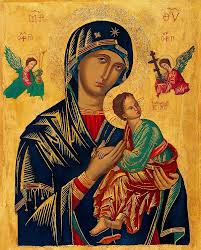
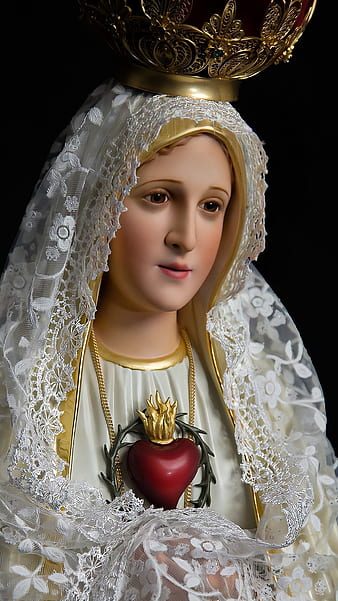
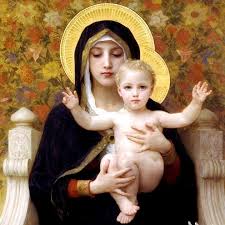
Devotion to the Immaculate Heart of Mary
Welcome Back.
Updated at: 2023-08-05 13:19:18 (2 years ago by Melkisedeck Leon Shine)
Title: Devotion to the Immaculate Heart of Mary: An Endearing Journey of Faith ๐น๐
Introduction: The devotion to the Immaculate Heart of Mary is a beautiful aspect of Catholic spirituality that invites us to deepen our love and connection with the Mother of God. As Christians, we recognize Mary's unique role in salvation history, her unwavering faith, and her profound love for humanity. Through this devotion, we can experience her maternal care, entrusting our lives and intentions to her loving intercession.
Mary, the Immaculate Conception: The Catholic Church teaches that Mary was conceived without original sin, making her the Immaculate Conception. This extraordinary privilege bestowed upon her by God allows her heart to be a pure vessel of love, grace, and compassion for all of humanity.
Mary's Fiat: In the Gospel of Luke, we witness Mary's profound faith and surrender to God when she said, "Behold, I am the handmaid of the Lord; let it be done to me according to your word" (Luke 1:38). Through her "fiat," Mary teaches us the importance of trusting in God's plan for our lives, even when it may be challenging or unknown.
Our Heavenly Advocate: Just as Mary interceded for the couple at the wedding in Cana (John 2:1-11), she continues to intercede for us before her Son, Jesus Christ. Our devotion to her Immaculate Heart allows us to approach her with our joys, sorrows, and supplications, knowing that she will present them to her Son on our behalf.
The Power of the Rosary: The Holy Rosary is a cherished prayer in the Catholic Church, and it holds a special place within the devotion to the Immaculate Heart of Mary. By contemplating the joyful, sorrowful, glorious, and luminous mysteries, we enter into a deeper understanding of Christ's life while seeking the guidance and protection of our Heavenly Mother.
The Message of Fatima: In 1917, the Blessed Virgin Mary appeared to three shepherd children in Fatima, Portugal, delivering a powerful message of repentance, prayer, and devotion to her Immaculate Heart. This event serves as a reminder of Mary's desire for us to draw closer to her and to follow her example of holiness.
The Symbolism of the Immaculate Heart: The image of the Immaculate Heart represents Mary's deep love for God and humanity. It is often depicted as a heart pierced with thorns, symbolizing the sorrows she endured during her Son's passion and death. Through our devotion, we can console her heart by offering acts of love and reparation.
The Promises of the Immaculate Heart: Throughout history, Mary has made promises to those who embrace her Immaculate Heart. These promises include spiritual protection, peace, and the graces necessary for salvation. By entrusting ourselves to Mary's heart, we open ourselves to the abundant blessings she wishes to bestow upon us.
The Catechism of the Catholic Church on Mary: The Catechism reminds us that Mary holds a unique place in salvation history, stating, "Mary's role in the Church is inseparable from her union with Christ" (CCC 964). It further emphasizes the importance of devotion to Mary, highlighting her as the "Mother of God" and the "first disciple" of Jesus Christ.
Saints and Devotion to Mary: Throughout the centuries, numerous saints have expressed their devotion to the Immaculate Heart of Mary. St. Maximilian Kolbe, for instance, had a deep love for the Blessed Virgin and founded the Militia Immaculata, an organization dedicated to spreading devotion to Mary worldwide.
The Assumption and Coronation of Mary: The Assumption and Coronation of Mary are significant events in Catholic theology. The Assumption refers to Mary being taken body and soul into heaven, while the Coronation symbolizes her reign as Queen of Heaven and Earth. These events highlight Mary's exalted role and her perpetual intercession for us.
Conclusion: Devotion to the Immaculate Heart of Mary is a profound expression of our love and trust in the Mother of God. Through this devotion, we are invited to embrace her as our Heavenly Mother, seeking her intercession, guidance, and protection. Let us turn to her Immaculate Heart with childlike faith and ask for her motherly care in every aspect of our lives. What are your thoughts on devotion to the Immaculate Heart of Mary? How has it impacted your spiritual journey?
Updated at: 2025-06-05 10:09:12 (9 months ago by Melkisedeck Leon Shine)
```htmlIntroduction: Conceptualizing Grief and the Marian Paradigm
Grief, a ubiquitous human experience, is characterized by profound emotional distress following loss. This article examines grief through a theological lens, specifically exploring the Marian paradigmโutilizing the life and sorrows of the Virgin Mary as a framework for understanding and coping with personal loss. We will analyze the Seven Sorrows of Mary, applying relevant psychological and theological frameworks to illustrate how her experiences offer profound spiritual and emotional resonance for those navigating grief. Key concepts include the stages of grief (Kรผbler-Ross model), spiritual coping mechanisms, and the concept of intercessory prayer within the Catholic faith.
The Seven Sorrows: A Spiritual Journey Through Loss
The Catholic tradition delineates seven sorrows experienced by Mary, each representing a distinct phase of loss and suffering. These events provide a powerful model for understanding the multifaceted nature of grief. Each sorrow, examined below, offers unique insights into the process of mourning and finding spiritual resilience amidst profound pain. The sequence reflects a chronological progression, allowing for a systematic exploration of Maryโs journey and its relevance to personal experiences of grief.
1. The Prophecy of Simeon: Anticipating Loss and the Acceptance of Suffering
Simeon's prophecy foreshadowed Maryโs future suffering, introducing the concept of preemptive grief โ the anticipation of an impending loss. This highlights the importance of emotional preparation and acceptance in the grief process. Theological understanding of divine will and acceptance of suffering are central themes mirroring concepts found in existential therapy which emphasizes the acceptance of life's inherent suffering.
2. The Flight into Egypt: Navigating Trauma and Finding Sanctuary
The Flight into Egypt exemplifies the experience of trauma and displacement within the grief process. Mary's resilience in seeking refuge and protection parallels the need for individuals experiencing grief to find secure environments and supportive relationships. This aligns with the attachment theory which postulates that secure attachment figures are crucial for navigating stressful life events.
3. The Loss of the Child Jesus in the Temple: Experiencing Anxiety and the Restoration of Hope
This sorrow exemplifies the acute anxiety and fear associated with loss, even temporary separation. The eventual reunion with Jesus symbolizes the potential for restoration of hope and the power of faith amidst despair. This resonates with the cognitive behavioral therapy (CBT) approach, which focuses on reframing negative thoughts and restoring a sense of control.
4. Mary's Encounter with Jesus on the Way to Calvary: Witnessing Suffering and Empathetic Connection
Mary's participation in Jesus' suffering exemplifies the concept of vicarious trauma โ experiencing emotional distress by witnessing the pain of others. This emphasizes the importance of emotional support and the power of shared experience in alleviating grief. This echoes the tenets of social support theory which emphasizes the role of social networks in buffering against stress.
5. The Crucifixion: Confronting Ultimate Loss and the Transcendence of Faith
The Crucifixion represents the ultimate loss, reflecting the profound impact of death and the intense emotional responses associated with it. Mary's unwavering faith, despite the immense sorrow, underscores the potential for spiritual growth and finding meaning amidst profound loss. The concept of faith as a coping mechanism is central to various theological and psychological frameworks.
6. The Deposition from the Cross: Experiencing the Physicality of Grief and the Power of Ritual
This sorrow highlights the physical and sensory aspects of grief โ the visceral experience of holding a deceased loved one. The ritual of the Deposition offers a powerful model for the importance of acknowledging and expressing grief through rituals and ceremonies. This aligns with the significance of mourning rituals across diverse cultures.
7. The Burial of Jesus: Accepting Finality and Embracing Hope in Resurrection
The Burial symbolizes the acceptance of finality and the beginning of the healing process. Mary's faith in the resurrection offers hope and a promise of future reunion, mirroring the importance of finding meaning and purpose in the face of loss. This resonates with the stages of grief model (Kรผbler-Ross), specifically the acceptance stage.
Mary as a Model for Navigating Grief: Theological and Psychological Perspectives
Maryโs unwavering faith, coupled with her deep empathy and compassion, offers a powerful model for those experiencing grief. Her journey underscores the importance of: seeking spiritual solace, maintaining social connections, engaging in self-care practices, and utilizing healthy coping mechanisms. This aligns with various therapeutic approaches that emphasize these strategies in grief management.
Conclusion and Recommendations
This exploration of Mary's sorrows offers a multi-faceted approach to understanding grief, drawing upon theological reflection and psychological theory. The Marian paradigm provides a framework for individuals experiencing loss, emphasizing the role of faith, community, and ritual in navigating this challenging life stage. Further research could explore the efficacy of using the Marian model as a therapeutic intervention for grief counseling, focusing on qualitative studies to assess its impact on individualsโ emotional and spiritual well-being. The applicability of this framework transcends religious boundaries, offering a powerful illustration of resilience and the human capacity for hope amidst suffering. The study of various religious and cultural perspectives on grief could enrich future understanding of this universally shared experience.
Reader Pool: How might a deeper understanding of the Marian paradigm inform the development of more effective grief counseling techniques, incorporating both spiritual and psychological approaches?
```

Updated at: 2025-06-05 15:34:31 (9 months ago by Melkisedeck Leon Shine)
Introduction: This discourse examines the multifaceted role of Mary, Mother of God, within the Catholic faith, exploring her significance as a source of comfort and hope for believers. Key concepts central to this analysis include Marian theology, the concept of intercession, and the application of religious symbolism in fostering spiritual well-being. We will analyze Mary's role through established theological frameworks and explore real-world manifestations of Marian devotion.
Divine Motherhood and Theological Significance: The Annunciation, as described in Luke 1:26-38, establishes Mary's unique position as Theotokos, "God-bearer." This theological concept, developed by early Church Fathers, signifies not only her biological role in the Incarnation but also her spiritual significance as a mediator between humanity and God. This divine motherhood serves as a cornerstone of Marian piety, offering believers comfort in the knowledge of a compassionate, divine maternal figure. This concept resonates with attachment theory, which highlights the importance of secure attachment figures in human development, suggesting a parallel between the maternal comfort provided by Mary and the need for secure attachment in spiritual life.
Mary as Intercessor and Advocate: The concept of Mary's intercession is central to Catholic theology. Her role as advocate before God draws upon the principle of "spiritual kinship," suggesting that through her intimate relationship with Christ, she possesses a unique capacity to intercede on behalf of humanity. This is illustrated in scriptural passages such as John 2:1-11 (the wedding at Cana), where Mary's intercession leads to a miracle. This model can be compared to the sociological concept of patronage, where influential figures act as intermediaries for those seeking assistance within a system. In this spiritual application, Mary is understood as the patron saint of humanity.
Motherly Compassion and the Symbolism of Sacrifice: Mary's unwavering presence at the foot of the cross, as depicted in John 19:25-27, exemplifies her profound compassion and love. This resonates with the psychological concept of empathy and highlights her capacity for deep suffering and unwavering support. Her role as "spiritual mother" to humanity reflects the powerful bond between mother and child, offering solace and understanding amidst suffering. This resonates with the psychodynamic perspective in understanding the significance of maternal figures in human development and coping mechanisms.
The Rosary and its Meditative Function: The Rosary, a traditional Catholic devotion, provides a structured pathway to reflection on the life of Christ through Marian contemplation. Repetitive prayer, a key component of the Rosary, serves a meditative function, allowing believers to focus on spiritual themes and experience a sense of peace and tranquility. This aligns with mindfulness practices, suggesting the Rosary as a form of structured meditation fostering emotional regulation and spiritual connection. This practice uses the principle of repetition and memory to strengthen faith and promote mental well-being.
Marian Apparitions and their Psychological Impact: Reported Marian apparitions, such as those at Lourdes and Fatima, have had profound psychological impacts on individuals and communities. These events can be examined through the lens of social psychology, exploring how shared belief systems and collective experiences can shape individual faith and provide a sense of community and hope. Such experiences, whether interpreted as genuine or psychologically induced, can provide profound comfort and spiritual solace.
Historical Context of Marian Devotion: Devotion to Mary has deep roots in the early Church, evidenced by writings of early Church Fathers and the development of Marian doctrines throughout history. Understanding the historical development of Marian theology provides insight into the evolution of religious practices and beliefs. This historical analysis illustrates how Mary's role within the Catholic faith has been consistently shaped and reinforced over centuries, demonstrating its enduring significance.
Mary's Intercession Through the Lives of Saints: The lives of numerous saints demonstrate the enduring belief in Mary's powerful intercession. Examining these hagiographies reveals how Mary's role as an intercessor has provided comfort, guidance, and spiritual inspiration to individuals throughout history. These accounts offer qualitative data on the experienced effects of faith and the role of Mary's intercession within the larger theological framework.
The Perpetual Virginity of Mary: The doctrine of Mary's perpetual virginity, as described in Matthew 1:25, holds theological significance, emphasizing her unique status and commitment to God. This doctrine, while sometimes debated, forms an integral part of Catholic understanding of Mary and her role in the divine plan. This aspect underscores Mary's complete dedication to God, highlighting the ideal of consecrated life and unwavering faith.
Mary as a Role Model of Faith and Obedience: Mary's unwavering obedience to God's will, as exemplified by her response to the Annunciation, serves as a powerful example of faith and trust. Her acceptance of God's plan, even in the face of uncertainty, offers a model for believers to emulate in their own lives. This resonates with virtue ethics, emphasizing the importance of character development and the pursuit of moral excellence. Mary serves as a paragon of faith and trust in God.
Conclusion and Recommendations: This analysis demonstrates the significant role of Mary, Mother of God, in providing comfort and hope to believers within the Catholic faith. Her influence is evident across theological, psychological, and sociological perspectives. Further research could investigate the correlation between Marian devotion and mental well-being, exploring the potential therapeutic effects of Marian practices. A comparative study of Marian devotion across different Christian denominations could also provide valuable insights. Understanding Mary's role is crucial not only for theological understanding but also for appreciating the complex psychological and social aspects of faith and spirituality. Her enduring influence underscores the power of faith and hope in navigating life's challenges.
Reader Pool: How might a deeper understanding of the theological and psychological dimensions of Marian devotion contribute to a more nuanced approach to pastoral care and spiritual guidance?
Updated at: 2023-08-05 13:19:48 (2 years ago by Melkisedeck Leon Shine)
The Holy Family: Mary's Role as Mother and Example ๐๐ช
Introduction: The Holy Family holds a special place in the hearts of Christians worldwide. At its center is the beloved figure of Mary, the Mother of God, who played a crucial role in nurturing and raising Jesus. Let us explore Mary's role as a mother and how she serves as an example for all of us.
Mary's Divine Motherhood: Mary's unique role as the Mother of God sets her apart from any other woman in history. In Luke 1:31-32, the angel Gabriel proclaims, "You will conceive in your womb and bear a son, and you shall name him Jesus. He will be great and will be called Son of the Most High." This divine motherhood highlights Mary's unparalleled closeness to God and her central role in salvation history.
Mary's Exclusive Motherhood: Contrary to some misconceptions, Mary remained a perpetual virgin, dedicating herself entirely to God's plan. The Bible clearly states that Jesus was her only child, as affirmed in Matthew 1:25, "But he had no relations with her until she bore a son, and he named him Jesus." Mary's unique and exclusive motherhood emphasizes her purity and devotion to God.
Mary's Example of Faith: Mary's unwavering faith in God shines through her life, serving as a model for all believers. In Luke 1:38, Mary humbly submits to God's will, saying, "Behold, I am the handmaid of the Lord. May it be done to me according to your word." Her complete surrender to God's plan inspires us to trust in His guidance and embrace our own callings.
Mary's Intercessory Role: As the Mother of God, Mary holds a special place in interceding for us before her Son. In John 2:3-5, Mary's intercession at the Wedding at Cana led to the first public miracle of Jesus, demonstrating her powerful role in our lives. Just as she cared for the needs of the wedding guests, Mary cares for our spiritual needs and intercedes for us in heaven.
Mary's Compassion and Love: Mary's role as a mother extends beyond her relationship with Jesus. Throughout his life, Jesus experienced the love and compassion of Mary, who stood by him even in the most challenging moments. As Christians, we can learn from Mary's unconditional love and emulate her compassion towards others.
The Annunciation: The Annunciation serves as a pivotal moment in Mary's life, as she wholeheartedly accepts God's plan to become the Mother of the Savior. This event showcases her profound humility and willingness to serve. The Catechism of the Catholic Church, paragraph 494, beautifully states, "Called in the Gospels 'the mother of Jesus,' Mary is acclaimed by Elizabeth, at the prompting of the Spirit and even before the birth of her son, as 'the mother of my Lord.'"
Mary's Acceptance of Suffering: Mary's journey as a mother was not without its share of sorrow. Witnessing her Son's crucifixion must have been an unimaginable pain. In John 19:26-27, Jesus entrusts his beloved disciple John to Mary's care, saying, "Woman, behold your son." Even in her agony, Mary demonstrates her strength and motherly love, embracing her role as the spiritual mother of all believers.
Mary's Example of Humility: Mary's humility sets an example for us all. In Luke 1:48, she exclaims, "For he has looked upon his handmaid's lowliness; behold, from now on will all ages call me blessed." Despite her exalted status as the Mother of God, Mary remains humble, acknowledging her dependence on God's grace.
Devotion to Mary: Throughout history, countless saints and theologians have expressed deep devotion to Mary. St. Louis de Montfort once said, "The more the Holy Spirit finds Mary, His dear and inseparable spouse, in any soul, the more active and mighty He becomes in producing Jesus Christ in that soul." This devotion to Mary leads us closer to Jesus, reflecting her role as the spiritual mother of all Christians.
Mary as Our Model: As Christians, we are called to imitate Mary's virtues and seek her intercession. The Catechism of the Catholic Church, paragraph 967, affirms, "By her complete adherence to the Father's will, to his Son's redemptive work, and to every prompting of the Holy Spirit, the Virgin Mary is the Church's model of faith and charity." Mary's example teaches us to embrace God's will, have faith, and show love to others.
Conclusion: Mary's role as a mother and example in the Holy Family is a testament to her unwavering faith, love, and humility. Through her intercession and motherly care, she continues to guide and inspire Christians around the world. Let us reflect on the profound impact Mary had and continues to have on our lives, and strive to follow her example in our own journey of faith.
What are your thoughts on Mary's role as the Mother of God and her example for us? How has she influenced your spiritual journey? Share your opinions and experiences below!
Updated at: 2023-08-05 13:19:42 (2 years ago by Melkisedeck Leon Shine)
Mary, Star of the Sea: Guiding Us to Christ ๐
๐น Mary, the Blessed Virgin, holds a special place in the heart of every Catholic. As the Mother of God and the epitome of virtue, she is a guiding light for all Christians on their journey to Christ.
๐ Just as sailors look to the stars to navigate their way across the vast ocean, we too can look to Mary, Star of the Sea, to guide us through the stormy seas of life towards our ultimate destination: eternal union with Christ.
๐ Throughout the Bible, we see Mary's unwavering faith and her deep love for God. From the Annunciation, where she humbly accepted her role as the mother of Jesus (Luke 1:38), to her presence at the foot of the Cross (John 19:25-27), Mary's life is a testament to her complete surrender to God's will.
๐ In Luke 1:48, Mary herself proclaims, "For he has regarded the low estate of his handmaiden. For behold, henceforth all generations shall call me blessed." It is through her humility and obedience that Mary became the vessel through which God chose to bring His Son into the world.
๐ The Catechism of the Catholic Church teaches us that Mary's role as the Mother of God goes beyond her physical motherhood. She is also the spiritual mother of all believers: "In fact, by her maternal charity, Mary cares for the brethren of her Son, who still journey on earth, surrounded by dangers and difficulties, until they are led into their blessed home" (CCC 975).
๐ Through her intercession, Mary constantly intercedes for us before her Son. Just as at the wedding at Cana, when she asked Jesus to perform His first miracle (John 2:1-11), Mary continues to bring our needs and petitions before Him.
๐๏ธ In times of darkness and doubt, Mary provides us with a beacon of hope. She reminds us of God's unfailing love and mercy, encouraging us to trust in His divine plan for our lives. Like a guiding star in the night sky, Mary leads us closer to Christ, who is the light of the world.
๐ The saints throughout history have turned to Mary as their spiritual mother and guide. Saint Maximilian Kolbe, a martyr of the Holocaust, once said, "Never be afraid of loving the Blessed Virgin too much. You can never love her more than Jesus did."
๐ The rosary, a powerful prayer that leads us to contemplate the mysteries of Christ's life, is a beautiful way to honor Mary. In this meditative prayer, we unite ourselves with Mary as we reflect on the joys, sorrows, and glory of her Son.
๐น The Hail Mary, a prayer deeply rooted in Scripture, reminds us of Mary's role in our spiritual journey: "Hail Mary, full of grace, the Lord is with thee; blessed art thou among women, and blessed is the fruit of thy womb, Jesus" (Luke 1:28, 42).
๐ซ As we call upon Mary's intercession, she leads us to Christ, just as she led the shepherds and wise men to the manger where Jesus was born. She is the shining star that points us towards the One who is the Way, the Truth, and the Life (John 14:6).
๐ Mary's guidance is not limited to moments of joy and celebration; she also walks with us in times of suffering and sorrow. Just as she stood at the foot of the Cross, Mary stands by our side, offering us comfort and strength in our trials.
๐ The saints, too, found solace in Mary's loving presence. Saint Louis de Montfort wrote, "The more the Holy Spirit finds Mary, His dear and inseparable spouse, in any soul, the more active and mighty He becomes in producing Jesus Christ in that soul."
๐บ In our devotion to Mary, we are not worshipping her, but rather honoring her as the Mother of God and acknowledging her unique role in our salvation. She is the Star of the Sea, guiding us to Christ and drawing us closer to His love and mercy.
๐ What are your thoughts on Mary, Star of the Sea? How has she guided you to Christ in your own spiritual journey? Share your experiences and reflections in the comments below. May Mary, our loving Mother, continue to intercede for us and lead us to her Son, now and forever. Amen. ๐
Updated at: 2023-08-05 13:20:28 (2 years ago by Melkisedeck Leon Shine)
๐นMary's Intercession: Strengthening Our Prayer Life๐น
Introduction: In the realm of Catholic spirituality, the intercession of the Virgin Mary holds a special place. As believers, we acknowledge her unique role as the Mother of God, the one chosen by God to give birth to our Savior, Jesus Christ. ๐ Throughout history, countless individuals have experienced the power of Mary's intercession in their prayer lives. Let us explore how turning to her can strengthen and deepen our own connection with God. ๐
Mary as the Mother of God: Mary's intercession is rooted in her special relationship with Jesus. She was not only Jesus' earthly mother but also the Mother of God. In Luke 1:43, Elizabeth proclaims, "And why has this happened to me, that the mother of my Lord comes to me?" This title highlights Mary's unique position as the chosen vessel of God's incarnation.
A Model of Faith: Mary's unwavering faith is an inspiration to all believers. Her "yes" to God's plan, as seen in Luke 1:38, reveals her complete trust and obedience. When we turn to Mary in prayer, we can seek her guidance in deepening our own faith and surrendering to God's will.
The Wedding at Cana: One powerful example of Mary's intercession can be found in the wedding at Cana (John 2:1-11). When the wine ran out, Mary approached Jesus and asked for His help. Through her intercession, Jesus performed His first public miracle, turning water into wine. This shows us that Mary's intercession can bring about miraculous interventions in our lives.
The Rosary: The Holy Rosary is a powerful prayer devoted to Mary. By praying the Rosary, we meditate on the life of Jesus through the eyes of His mother. In this way, Mary helps us to deepen our understanding of Christ's teachings and His saving grace. The Catechism of the Catholic Church teaches that "the Rosary is a contemplative prayer" (CCC 2708) and encourages Catholics to embrace its spiritual benefits.
Protection and Guidance: Just as a mother protects and guides her children, Mary intercedes for us in times of need. The saints have attested to her powerful intercession throughout the centuries. Saint Padre Pio once said, "When you have recourse to the intercession of the Blessed Virgin, you are praying with a Mother's heart." Trusting in Mary's intercession can bring us comfort and assurance, knowing that we are under her loving care.
Praying the Hail Mary: The Hail Mary is a prayer that many Catholics recite to seek Mary's intercession. It begins with the words of the angel Gabriel and continues with Elizabeth's greeting. By praying this prayer, we unite ourselves with the words spoken to Mary, inviting her to intercede on our behalf.
The Assumption of Mary: The Assumption of Mary, celebrated on August 15th, affirms the belief that Mary was taken body and soul into heaven. This glorious event reveals her unique role in salvation history and her continued presence among the faithful. When we ask for Mary's intercession, we can trust that she is in heaven, advocating for us before the throne of God.
The Magnificat: Mary's prayer of praise, known as the Magnificat, can inspire our own prayer life. In Luke 1:46-55, Mary magnifies the Lord for the great things He has done. By contemplating her words, we can learn to exalt God in our own prayers and acknowledge His goodness and mercy.
The Saints and Mary: Throughout history, numerous saints have had a deep devotion to Mary and experienced her powerful intercession. Saint Louis de Montfort, known for his teachings on Marian consecration, said, "When the Holy Spirit finds Mary in a soul, He hastens there and enters fully into it." The saints understood that turning to Mary deepens our connection with the Holy Spirit and strengthens our prayer life.
The Mercy of Mary: Mary's intercession is a sign of God's infinite mercy. Just as Jesus entrusted His beloved disciple John to Mary's care, He entrusts us to her maternal love. As Pope Francis once said, "Mary opens the door of mercy to us and shows us the way to reach the Heart of her Son." When we approach Mary with humility and trust, she leads us closer to Jesus and His boundless mercy.
Conclusion: In the Catholic faith, Mary's intercession plays a vital role in strengthening our prayer life. As the Mother of God and our spiritual mother, she beckons us to turn to her in times of joy, sorrow, and need. Throughout the Bible and the teachings of the Church, we find ample evidence of her powerful intercession. By inviting Mary into our prayer life, we can experience a deeper connection with God and a strengthening of our faith. So, dear reader, what are your thoughts on seeking Mary's intercession? How has her intercession impacted your prayer life?
Updated at: 2025-06-05 10:56:14 (9 months ago by Melkisedeck Leon Shine)
This article explores the theological concept of Mary, the mother of Jesus, as a conduit of divine grace within Catholic theology. We will examine key biblical passages, theological interpretations, and devotional practices to analyze her role in Christian spirituality. Central to this discussion are the concepts of theosis (the process of becoming more like God), intercession (prayer on behalf of others), and Marian devotion (religious practices centered on Mary). These concepts provide a framework for understanding the multifaceted role Mary plays within the Catholic faith.
1. The Annunciation and the Incarnation: The Foundation of Marian Theology
The angel Gabriel's greeting to Mary, "Hail, full of grace, the Lord is with thee," (Luke 1:28) marks the pivotal moment of the Annunciation. This salutation, rich in theological significance, establishes Mary's unique relationship with God and her pivotal role in the Incarnation. The acceptance of the divine mandateโchoosing to bear the Son of Godโpositions Mary as a crucial instrument in God's redemptive plan. This event is a cornerstone of Marian theology, showcasing Mary's complete surrender to God's will and her role as the Theotokos (God-bearer).
2. Mary as Intercessor: A Model of Faith and Prayer
The episode at the wedding feast in Cana (John 2:1-11), where Mary intercedes with Jesus on behalf of the wedding party, illustrates her role as a powerful intercessor. This event demonstrates not only her understanding of Jesus's divine power but also her compassionate concern for others and her faith in her Son's ability to perform miracles. Applying this concept practically, we see Mary's intercession as a powerful model for prayer: her actions highlight the importance of unwavering faith and persistent prayer in seeking divine intervention.
3. The Magnificat: A Proclamation of Divine Grace and Humility
Mary's Magnificat (Luke 1:46-55) is a profound prayer of praise and thanksgiving, reflecting the principles of kenosis (self-emptying) and theosis. Her humble acceptance of God's grace and her acknowledgment of His power are central to this prayer. This prayer serves as a potent example of recognizing the transformative power of grace, highlighting the importance of humility and receptivity in the pursuit of spiritual growth. The Magnificat underscores Mary's deep understanding of God's plan and her willingness to participate actively in it.
4. Marian Theology in the Catechism of the Catholic Church
The Catechism of the Catholic Church formally recognizes Mary as "the Mother of God" and "the model of the Church's faith." This declaration establishes the theological basis for Marian devotion, emphasizing Mary's unique position within Christian theology. The Church's recognition of Mary's role is not merely sentimental; it's grounded in scripture and tradition, recognizing her profound contribution to salvation history. The Catholic Church's understanding of Mary supports the concept of the Church as a "mother" reflecting nurturing and caring characteristics.
5. Marian Devotion Throughout History: Influential Figures and Practices
The history of Christianity is replete with examples of Marian devotion. The writings of saints like Louis de Montfort, who emphasizes entrusting oneself to Mary's maternal care in his "True Devotion to Mary," highlight the enduring significance of Marian piety. The Rosary, a traditional Catholic prayer, provides a structured framework for meditation on the mysteries of Christ's life, emphasizing Mary's role as a companion on the spiritual journey. These devotional practices offer practical avenues for spiritual development, fostering a deeper connection with God through Mary's intercession.
6. Mary: A Model of Faith and Obedience
Mary's response to the angel Gabriel, "Behold, I am the handmaid of the Lord; let it be to me according to your word" (Luke 1:38), exemplifies absolute faith and obedience to God's will. This willingness to submit completely to God's plan showcases the transformative potential of faith and the importance of surrendering personal will to God's divine plan. Mary's example serves as a model for all Christians, encouraging us to embrace God's will with humility and trust.
7. Mary's Continuing Intercession: Present and Future
Catholic belief affirms that Mary's intercession is not confined to the past; she continues to pray for humanity and advocates before God. This belief reinforces the concept of the Communion of Saints, highlighting the interconnectedness of believers in prayer and mutual support. This concept invites believers to engage in a continual dialogue of faith, recognizing Maryโs role as a spiritual mentor.
Conclusions and Recommendations
The examination of Marian theology reveals Mary's multifaceted role as a conduit of divine grace. From the Annunciation to her continuing intercession, her life offers a powerful model of faith, obedience, and humble service to God. Marian devotion, when properly understood, is not about venerating Mary herself but about acknowledging her unique place in salvation history and seeking her intercession to draw closer to Christ. Further research should explore the diverse expressions of Marian devotion across different cultures and theological traditions, emphasizing the universality and cultural relevance of Marian piety.
Reader Pool: How might a deeper understanding of Mary's role within the broader context of Catholic ecclesiology enrich personal spiritual growth and the development of community?
Updated at: 2025-06-21 23:06:30 (8 months ago by Melkisedeck Leon Shine)
Introduction: Defining Key Concepts
This discourse examines the multifaceted role of Mary, Mother of God, within the Catholic Church, focusing on her function as a unifying figure. We will explore her theological significance, drawing upon biblical accounts, ecclesiological pronouncements, and the lived experiences of Catholic believers. Key concepts underpinning this analysis include Mariology (the theological study of Mary), Ecclesiology (the study of the Church), and the application of Social Identity Theory to understand the unifying aspects of shared religious beliefs and practices. Furthermore, the concept of intercession, Mary's role in mediating between God and humanity, will be central to this exploration.
Mary's Theological Significance and Her Role in Salvation History
Catholic theology posits Mary's unique role in salvation history, beginning with the Annunciation (Luke 1:28). The angel Gabriel's greeting, "Hail, full of grace," underscores Mary's divinely chosen status as the Theotokos, the "God-bearer." This pivotal event, interpreted through the lens of incarnational theology, highlights the divine initiative in human salvation, manifested through Mary's consent. Her subsequent Magnificat (Luke 1:46-55), a hymn of praise reflecting both humility and profound faith, further illustrates her integral role in God's redemptive plan. Analyzing Mary's response through the framework of virtue ethics reveals her exemplary qualities of faith, hope, and charity.
The Proclamation of Mary as "Mother of the Church" and its Ecclesiological Implications
Pope Paul VI's 1964 declaration of Mary as "Mother of the Church" (Mater Ecclesiae) significantly enhances her ecclesiological status. This title transcends a purely symbolic role, signifying her active participation in the life of the Church. Her maternal care, as depicted in the Gospels, extends beyond her earthly relationship with Jesus to encompass all believers. Understanding this through the prism of sacramental theology illuminates Mary's role as a mediator of grace, facilitating a closer relationship between humanity and God. Applying the concept of spiritual motherhood, we see Mary not just as the mother of Christ, but as the mother of the faithful, guiding and nurturing the Church.
Mary as a Unifying Force: Devotion, Intercession, and the Lived Experience of Faith
Mary's role as a unifying force within the Catholic faith stems from her position as a pivotal figure in salvation history and her continuous intercession for the faithful. Devotional practices, such as the Rosary and the Hail Mary, foster a sense of shared identity and communal spirituality amongst Catholics. These practices function according to the social identity theory where shared beliefs and rituals create a sense of belonging and cohesiveness. The powerful narratives surrounding Marian apparitions, from Guadalupe to Lourdes, further solidify her presence and generate a sense of collective faith and hope, emphasizing the relational aspect of spiritual life. Analyzing Marian apparitions through a sociological lens can offer insights into their impact on collective belief systems and cultural identity.
Mary's Influence on Spiritual Formation: Holiness, Obedience, and the Example of Fiat
Mary's life embodies a profound example of holiness, obedience, and trust in Godโs will, as evident in her fiat, her "yes" to God's plan (Luke 1:38). Her unwavering faith serves as a powerful model for spiritual growth and a testament to the transformative power of divine grace. Analyzing her actions through the lens of spiritual formation, specifically models of spiritual disciplines and growth, we see the impact of her complete surrender to God's will on her life and how it serves as a pattern for believers. Her example inspires personal transformation by encouraging the adoption of faith, humility, and devotion to God's will, which can be interpreted through various theological frameworks of virtue and transformation.
Mary's Role in the Eucharist and the Ongoing Presence of Christ
Mary's intimate connection to the Eucharist underscores her profound role in the Catholic faith. Just as she bore Jesus in her womb, she is believed to spiritually participate in every celebration of the Mass. This connection emphasizes the Real Presence of Christ, fostering a deeper understanding of the Eucharist's centrality to Catholic life. Analyzing this connection through the lens of eucharistic theology, we find that Mary's presence at the Mass underscores the importance of the sacramental life and deepens the meaning of Christ's sacrifice.
Conclusions and Recommendations
Mary, Mother of the Church, serves as a powerful unifying figure within Catholicism. Her theological significance, as established through scriptural analysis and ecclesiological pronouncements, provides a foundation for understanding her ongoing role in the Churchโs life. Her maternal role, manifested in various devotional practices and the shared faith of believers, fosters a sense of community and belonging. Further research could explore the cross-cultural impact of Marian devotion, exploring how Maryโs role as a unifying figure transcends different socio-cultural contexts. Additionally, research into the psychological and sociological effects of Marian devotion on the mental and emotional wellbeing of individuals would be beneficial. Finally, examining how the concept of spiritual motherhood is interpreted and applied in diverse theological traditions and communities can broaden our understanding of her unifying role across different religious backgrounds.
Reader Pool:
Considering the multifaceted nature of Mary's role within Catholic theology, how might a deeper exploration of her significance contribute to fostering unity and dialogue within and beyond the Catholic Church?
Updated at: 2023-08-05 13:19:25 (2 years ago by Melkisedeck Leon Shine)
Mary's Fiat: A Model of Surrender and Obedience
๐ Introduction ๐ In the story of Christianity, the Blessed Virgin Mary holds a special place as the Mother of God. Her unwavering faith, surrender, and obedience have made her a model for all believers to follow. Mary's "fiat," or her "yes" to God's plan, demonstrates the utmost trust in the divine will. Let us explore the beauty of Mary's surrender and obedience, and how we can apply these virtues in our own lives.
1๏ธโฃ A Humble Heart ๐ Mary's fiat was rooted in her deep humility. Despite being chosen to be the Mother of God, she never sought recognition or power. Instead, she embraced her role with grace and humility, recognizing that she was simply an instrument in God's divine plan. Her humility serves as a reminder to us all to be humble in our own lives and to trust in God's plan for us.
2๏ธโฃ Surrendering to God's Will ๐ Mary's fiat exemplifies her complete surrender to God's will. When the angel Gabriel appeared to her, announcing that she would bear a child, Mary's response was, "Behold, I am the handmaid of the Lord; let it be to me according to your word" (Luke 1:38). This profound act of surrender teaches us the importance of aligning our will with God's and trusting in His plan, even when it may be difficult or unknown to us.
3๏ธโฃ Obedience in Action ๐ Mary's obedience to God's will was unwavering. She willingly accepted the challenges and uncertainties that lay ahead, knowing that God was guiding her every step of the way. Her obedience allowed her to fulfill her role as the Mother of God and participate in the salvation of humanity. Just as Mary embraced obedience, we too are called to faithfully follow God's commandments and live in accordance with His teachings.
4๏ธโฃ Biblical Examples โ๏ธ Throughout the Bible, we can find numerous examples of Mary's surrender and obedience. One such example can be seen at the Wedding at Cana (John 2:1-11). When the wine ran out, Mary turned to Jesus and said, "They have no wine." Even though Jesus initially responded, "Woman, what does this have to do with me?" Mary remained steadfast in her faith and obedience, telling the servants, "Do whatever he tells you." By trusting in Jesus and following His instructions, Mary played a pivotal role in the first public miracle performed by Jesus.
5๏ธโฃ The Catechism's Wisdom ๐ The Catechism of the Catholic Church beautifully articulates Mary's fiat and its significance: "By her complete adherence to the Father's will, to his Son's redemptive work, and to every prompting of the Holy Spirit, the Virgin Mary is the Church's model of faith and charity" (CCC 967). Mary's surrender and obedience serve as an inspiration for all believers, reminding us to align our lives with God's will and to trust in His guidance.
6๏ธโฃ Saints and Mary's Fiat ๐ผ Throughout the history of the Catholic Church, many saints have looked to Mary as a model of surrender and obedience. Saint Therese of Lisieux, for example, had a deep devotion to the Blessed Virgin Mary and often prayed to her for guidance in her own spiritual journey. Saint Maximilian Kolbe also found inspiration in Mary's fiat, choosing to surrender his life in the place of a fellow prisoner in Auschwitz. These saints and many others have recognized the powerful example set by Mary and sought to emulate her virtues in their own lives.
7๏ธโฃ Finding Strength in Surrender ๐ช Surrendering to God's will does not mean giving up or losing control. On the contrary, it is an act of trust and a recognition that God's plan is far greater than our own. When we surrender to God, we find strength in knowing that He is in control and that He will guide us through any challenges we may face.
8๏ธโฃ Embracing Obedience as Love โค๏ธ Obedience is often seen as a restrictive concept, limiting our freedom and desires. However, Mary's obedience shows us that true obedience is an act of love. By following God's commandments and living according to His teachings, we show our love and gratitude for all that He has done for us. Obedience is not a burden, but rather a path to true freedom and fulfillment in our lives.
9๏ธโฃ Mary, Our Loving Mother ๐ฉโ๐งโ๐ฆ As Catholics, we have a special devotion to the Blessed Virgin Mary. She is not only the Mother of God but also our loving mother who intercedes for us and guides us along our spiritual journey. Just as a loving mother looks after her children, Mary watches over us and offers us her support and prayers. We can turn to her in times of need, seeking her intercession and following her example of surrender and obedience.
๐ค Conclusion ๐ค Mary's fiat serves as a model of surrender and obedience for all believers. Her humility, surrender, and obedience are virtues that we can strive to emulate in our own lives. By trusting in God's plan, aligning our will with His, and obediently following His commandments, we can grow in faith and deepen our relationship with Him. Let us reflect on Mary's example and ask ourselves, are we willing to say "yes" to God's will in our own lives? ๐
What are your thoughts on Mary's surrender and obedience? How can you apply these virtues in your own life? Share your reflections and experiences below.
Updated at: 2023-08-05 13:20:02 (2 years ago by Melkisedeck Leon Shine)
Mary, Mother of God: An Exemplar of Humility ๐น
๐ In the Christian faith, Mary, the Mother of God, holds a special place in the hearts of believers. Her unwavering faith, humility, and obedience to God's will serve as an inspiration to all Christians.
๐ Mary's humility is evident from the very beginning, when the angel Gabriel appeared to her and announced that she would conceive a child, Jesus, by the power of the Holy Spirit. Instead of boasting or seeking glory, she humbly accepted this divine mission, saying, "Behold, I am the handmaid of the Lord; let it be to me according to your word" (Luke 1:38).
๐ Throughout her life, Mary remained humble, always putting God's will above her own desires. She did not seek recognition or praise for being the mother of the Son of God; instead, she embraced her role with grace and humility.
๐ท One example of Mary's humility can be seen at the wedding feast of Cana (John 2:1-12). When the wine ran out, Mary approached Jesus and simply said, "They have no wine" (John 2:3). She did not demand a miracle or draw attention to herself. Instead, she trusted in her son's divine power and humbly presented the situation to him.
โจ Another powerful example of Mary's humility can be found at the foot of the cross, where she stood with unwavering faith and love for her son. Despite the tremendous pain and sorrow she experienced, Mary did not question God's plan or harbor resentment. Instead, she remained humble, trusting in God's ultimate purpose.
๐ The Catechism of the Catholic Church also highlights Mary's humility, stating, "Mary is the perfect Orans (pray-er), a figure of the Church. When we pray to her, we are adhering with her to the plan of the Father, who sends his Son to save all men. Like the beloved disciple, we welcome Jesus' mother into our homes" (CCC 2679).
๐ Saint Bernard of Clairvaux, a renowned Catholic saint, eloquently described Mary's humility, saying, "Mary is the stairway to heaven; the humblest of creatures, the most high; the most lowly, yet the most exalted; the most hidden, yet the most well known; the most despised, yet the most cherished."
๐น Mary's humility serves as a powerful reminder to all Christians that true greatness lies in humbling ourselves before God. In a world that often values pride and self-promotion, Mary's example calls us to embrace humility as a virtue.
๐ As we reflect on Mary's humility, we can learn to surrender our own will to God's plan and trust in His providence. Like Mary, we are called to say, "Let it be to me according to your word," and entrust ourselves fully to God's loving care.
๐ท Mary's humility also teaches us the importance of recognizing that everything we have and are is a gift from God. By humbly acknowledging our dependence on Him, we open ourselves up to His grace and blessings.
๐ Furthermore, Mary's humility invites us to serve others with selflessness and love. As Pope Francis said, "Mary is the one who knows how to welcome the love of God and how to give it. She is the model of how to respond to Godโs call, with joy and courage, saying 'yes' to Him without hesitation."
๐ The Bible tells us that "God opposes the proud, but gives grace to the humble" (James 4:6). Mary's humility allowed her to receive God's grace in abundance and become the Mother of God.
โจ As we contemplate Mary's humble heart, let us strive to imitate her in our own lives. Let us seek to be humble in our thoughts, words, and actions, always putting God and others before ourselves.
๐น In times of success, let us remember to give glory to God, acknowledging that any achievements are His blessings. And in times of difficulty, let us trust in His plan, knowing that He is with us every step of the way.
๐ So, dear reader, what are your thoughts on Mary, Mother of God, as an exemplar of humility? How can we learn from her example and cultivate humility in our own lives? Share your insights and reflections below!