Mary's Maternal Care for All God's Children
Welcome Back.
Updated at: 2023-08-05 13:19:58 (2 years ago by Melkisedeck Leon Shine)
Mary's Maternal Care for All God's Children ๐
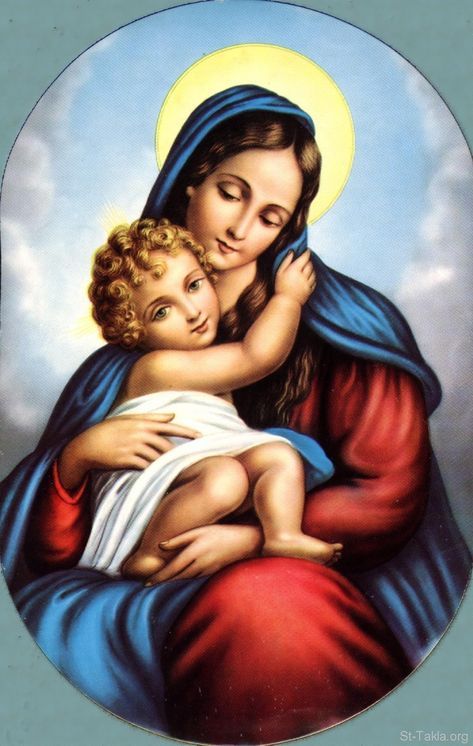
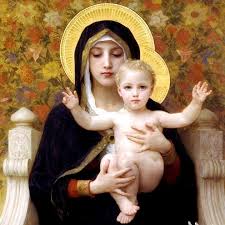
Mary, the revered Mother of God, holds a special place in the hearts of Christians around the world. ๐
As a devout Catholic, I've always been inspired by Mary's maternal care for all of God's children. ๐น
It is important to understand that according to the Christian perspective, Mary was a perpetual virgin, meaning she did not have any other children except Jesus. This belief is rooted in biblical evidence and the teachings of the Catholic Church. ๐
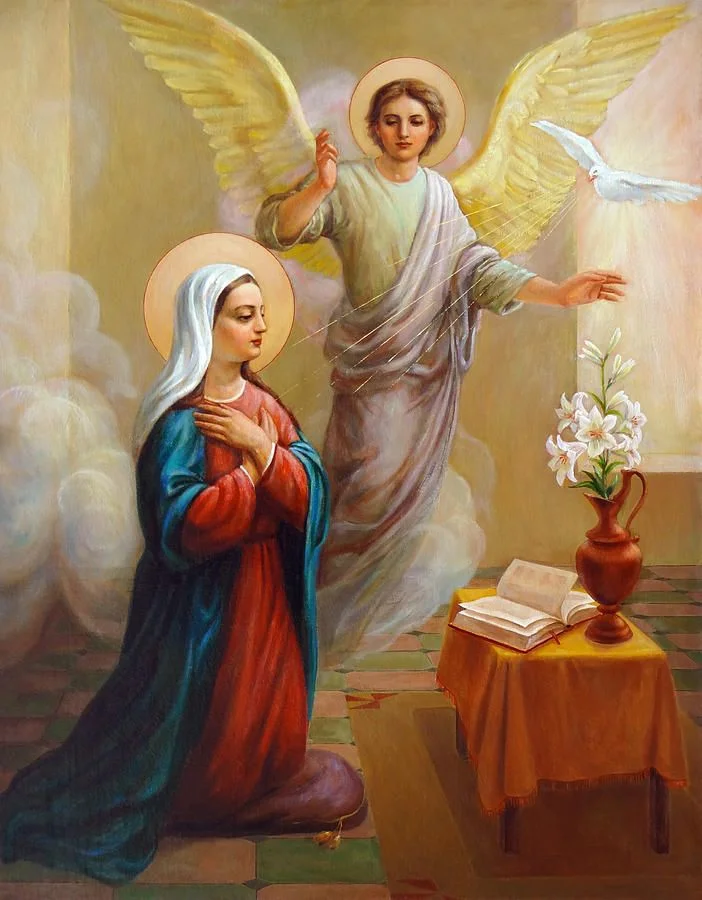
In the Gospel of Luke, when the angel Gabriel appeared to Mary to announce that she would conceive and give birth to Jesus, Mary herself questioned how this would happen since she had no relations with a man. The angel reassured her, stating, "The Holy Spirit will come upon you, and the power of the Most High will overshadow you" (Luke 1:35). This reaffirms the Catholic belief that Mary remained a virgin even after giving birth to Jesus. ๐
Mary's maternal care extends not only to Jesus but to all of God's children. Just as she nurtured and protected Jesus, she continues to intercede for us and offer her motherly love and care. ๐บ
In the Gospel of John, we witness Mary's concern for others when she accompanies Jesus to the wedding at Cana. When the wine runs out, she turns to Jesus and says, "They have no wine." Despite Jesus initially responding, "Woman, what does this have to do with me?" Mary's faith and trust in her son lead her to tell the servants, "Do whatever he tells you" (John 2:3-5). This demonstrates her unwavering love and concern for those in need. ๐ง
According to the Catholic Catechism, Mary's maternal role is not limited to her earthly life but continues in heaven. She is described as the "Mother of the Church" and the "Mother of all the living." This highlights her role as our spiritual mother, who intercedes for us and helps us grow in our relationship with God. ๐
Throughout history, numerous saints and spiritual leaders have looked to Mary as a source of inspiration and guidance. St. Louis de Montfort, a French priest, wrote extensively about Mary's role in our spiritual lives. He said, "Mary is the safest, easiest, shortest, and most perfect way of approaching Jesus." ๐น
Mary's maternal care can be seen in various Marian apparitions, where she has appeared to individuals, offering them comfort, guidance, and messages of hope. Examples include Our Lady of Lourdes, Our Lady of Guadalupe, and Our Lady of Fatima. These apparitions serve as a reminder of Mary's love and concern for all of humanity. ๐
Mary's maternal care is not limited to Catholics alone. Christians from various denominations also hold her in high esteem, acknowledging her unique role as the Mother of God. ๐
The Catholic Church teaches that Mary is our advocate and mediator before God. Just as a child may turn to their mother for support and help, we can turn to Mary with our prayers and seek her intercession. Her love and care for us are boundless. ๐
In the Book of Revelation, Mary is depicted as the "woman clothed with the sun," representing her role as the Queen of Heaven. This image signifies her exalted position in the heavenly realm as she reigns alongside her divine Son. โจ
It is important to emphasize that Mary's intercession does not replace our direct relationship with Jesus. Instead, she leads us closer to Him, guiding us in our spiritual journey. As the Catechism of the Catholic Church states, "Mary's role in the Church is inseparable from her union with Christ and flows directly from it" (CCC 964). ๐น
Mary's maternal care is a gift to all of God's children. Just as a loving mother cares for and protects her children, Mary does the same for us. We can turn to her with confidence and trust, knowing that she will intercede for us before her Son, Jesus. ๐
In conclusion, Mary's maternal care for all of God's children is a beautiful aspect of our faith. Her love, compassion, and intercession are truly remarkable. As a Christian Catholic, I encourage you to embrace Mary as your spiritual mother and seek her guidance and protection. How do you personally relate to Mary's maternal care? Share your thoughts and opinions below! ๐
Updated at: 2023-08-05 13:19:25 (2 years ago by Melkisedeck Leon Shine)
Mary's Fiat: A Model of Surrender and Obedience
๐ Introduction ๐ In the story of Christianity, the Blessed Virgin Mary holds a special place as the Mother of God. Her unwavering faith, surrender, and obedience have made her a model for all believers to follow. Mary's "fiat," or her "yes" to God's plan, demonstrates the utmost trust in the divine will. Let us explore the beauty of Mary's surrender and obedience, and how we can apply these virtues in our own lives.
1๏ธโฃ A Humble Heart ๐ Mary's fiat was rooted in her deep humility. Despite being chosen to be the Mother of God, she never sought recognition or power. Instead, she embraced her role with grace and humility, recognizing that she was simply an instrument in God's divine plan. Her humility serves as a reminder to us all to be humble in our own lives and to trust in God's plan for us.
2๏ธโฃ Surrendering to God's Will ๐ Mary's fiat exemplifies her complete surrender to God's will. When the angel Gabriel appeared to her, announcing that she would bear a child, Mary's response was, "Behold, I am the handmaid of the Lord; let it be to me according to your word" (Luke 1:38). This profound act of surrender teaches us the importance of aligning our will with God's and trusting in His plan, even when it may be difficult or unknown to us.
3๏ธโฃ Obedience in Action ๐ Mary's obedience to God's will was unwavering. She willingly accepted the challenges and uncertainties that lay ahead, knowing that God was guiding her every step of the way. Her obedience allowed her to fulfill her role as the Mother of God and participate in the salvation of humanity. Just as Mary embraced obedience, we too are called to faithfully follow God's commandments and live in accordance with His teachings.
4๏ธโฃ Biblical Examples โ๏ธ Throughout the Bible, we can find numerous examples of Mary's surrender and obedience. One such example can be seen at the Wedding at Cana (John 2:1-11). When the wine ran out, Mary turned to Jesus and said, "They have no wine." Even though Jesus initially responded, "Woman, what does this have to do with me?" Mary remained steadfast in her faith and obedience, telling the servants, "Do whatever he tells you." By trusting in Jesus and following His instructions, Mary played a pivotal role in the first public miracle performed by Jesus.
5๏ธโฃ The Catechism's Wisdom ๐ The Catechism of the Catholic Church beautifully articulates Mary's fiat and its significance: "By her complete adherence to the Father's will, to his Son's redemptive work, and to every prompting of the Holy Spirit, the Virgin Mary is the Church's model of faith and charity" (CCC 967). Mary's surrender and obedience serve as an inspiration for all believers, reminding us to align our lives with God's will and to trust in His guidance.
6๏ธโฃ Saints and Mary's Fiat ๐ผ Throughout the history of the Catholic Church, many saints have looked to Mary as a model of surrender and obedience. Saint Therese of Lisieux, for example, had a deep devotion to the Blessed Virgin Mary and often prayed to her for guidance in her own spiritual journey. Saint Maximilian Kolbe also found inspiration in Mary's fiat, choosing to surrender his life in the place of a fellow prisoner in Auschwitz. These saints and many others have recognized the powerful example set by Mary and sought to emulate her virtues in their own lives.
7๏ธโฃ Finding Strength in Surrender ๐ช Surrendering to God's will does not mean giving up or losing control. On the contrary, it is an act of trust and a recognition that God's plan is far greater than our own. When we surrender to God, we find strength in knowing that He is in control and that He will guide us through any challenges we may face.
8๏ธโฃ Embracing Obedience as Love โค๏ธ Obedience is often seen as a restrictive concept, limiting our freedom and desires. However, Mary's obedience shows us that true obedience is an act of love. By following God's commandments and living according to His teachings, we show our love and gratitude for all that He has done for us. Obedience is not a burden, but rather a path to true freedom and fulfillment in our lives.
9๏ธโฃ Mary, Our Loving Mother ๐ฉโ๐งโ๐ฆ As Catholics, we have a special devotion to the Blessed Virgin Mary. She is not only the Mother of God but also our loving mother who intercedes for us and guides us along our spiritual journey. Just as a loving mother looks after her children, Mary watches over us and offers us her support and prayers. We can turn to her in times of need, seeking her intercession and following her example of surrender and obedience.
๐ค Conclusion ๐ค Mary's fiat serves as a model of surrender and obedience for all believers. Her humility, surrender, and obedience are virtues that we can strive to emulate in our own lives. By trusting in God's plan, aligning our will with His, and obediently following His commandments, we can grow in faith and deepen our relationship with Him. Let us reflect on Mary's example and ask ourselves, are we willing to say "yes" to God's will in our own lives? ๐
What are your thoughts on Mary's surrender and obedience? How can you apply these virtues in your own life? Share your reflections and experiences below.
Updated at: 2023-08-05 13:20:07 (2 years ago by Melkisedeck Leon Shine)
The Divine Motherhood of Mary: A Mystery of Grace ๐
The role of Mary as the Divine Mother is a profound mystery that fills our hearts with awe and gratitude. ๐น As Catholics, we believe that Mary was chosen by God to be the Mother of Jesus, the Son of God, and the Savior of humanity. This divine calling sets her apart and places her at the center of our faith. ๐
Throughout the Bible, we can find numerous examples that highlight Mary's unique and extraordinary role as the Mother of Jesus. From the Annunciation, when the angel Gabriel visited Mary and proclaimed God's plan for her, to the birth of Jesus in Bethlehem, Mary's faith and obedience shine brightly. ๐
In Luke 1:31-32, the angel Gabriel says to Mary, "You will conceive and give birth to a son, and you are to call him Jesus. He will be great and will be called the Son of the Most High." This passage clearly establishes Mary's divine motherhood, as she is called to bring the Son of God into the world. ๐
The Catechism of the Catholic Church teaches us that "Mary's divine motherhood is revealed in the miracles that accompany Jesus' birth and in the wedding feast at Cana." These events emphasize Mary's intercessory role and her ability to bring our needs and intentions before her Son. ๐ท
One of the most powerful examples of Mary's divine motherhood can be seen at the wedding feast at Cana, where Mary intercedes on behalf of the couple who ran out of wine. She tells the servants, "Do whatever he tells you" (John 2:5), showing her unwavering trust in Jesus and her willingness to intercede for us. ๐ท
The saints of the Catholic Church have also recognized and celebrated Mary's divine motherhood. St. Maximilian Kolbe once said, "Never be afraid of loving the Blessed Virgin too much. You can never love her more than Jesus did." This statement reminds us of the profound love and devotion we should have for Mary. ๐
The Gospel of Matthew tells us that Mary remained a virgin even after the birth of Jesus. In Matthew 1:25, it states, "But he did not consummate their marriage until she gave birth to a son. And he gave him the name Jesus." This biblical evidence further supports the dogma of Mary's perpetual virginity. โจ
Mary's divine motherhood also extends to the entire Church. As the Mother of God, she becomes our spiritual mother, guiding and interceding for us. The Second Vatican Council beautifully expressed this in Lumen Gentium, stating, "The maternal role of Mary toward people in no way obscures or diminishes the unique mediation of Christ." ๐
The Catechism of the Catholic Church teaches us that "Mary's role in the Church is inseparable from her union with Christ and flows directly from it." Mary's divine motherhood is intimately connected to her profound union with Jesus, making her an indispensable part of our spiritual journey. โช๏ธ
Mary's divine motherhood is not just a historical event but a living reality in our lives. Just as she interceded for others in the past, she continues to intercede for us today. As Catholics, we are encouraged to turn to Mary with our intentions, trusting in her maternal care. ๐
In times of joy, sorrow, and uncertainty, we can find solace in Mary's loving embrace. She is our advocate and the Mediatrix of all graces, constantly showering us with the abundant blessings of her Son. Our relationship with Mary is one of love, trust, and devotion. ๐
The Catechism of the Catholic Church tells us that "Mary's role in the Church is prefigured in the Old Testament. She is the Daughter of Zion in whom the fullness of the promises of the Old Covenant is fulfilled." Mary's divine motherhood is rooted in the long-awaited fulfillment of God's promises to His people. ๐ฟ
As we reflect on the mystery of Mary's divine motherhood, let us deepen our understanding and appreciation for her role in our lives. Let us seek her intercession, entrusting our joys and sorrows to her loving heart. Mary, Mother of God, pray for us! ๐น๐
How does Mary's divine motherhood impact your spiritual journey? Have you experienced Mary's intercession in your life? Share your thoughts and experiences below. Let us continue to grow in love and devotion to our Blessed Mother! ๐๐
May we always remember that Mary's divine motherhood is a profound mystery of grace that invites us to draw closer to her Son. Let us emulate her faith, humility, and obedience in our own lives, trusting in her constant love and intercession. Mary, Mother of God, guide us on our journey of faith! ๐น๐
Updated at: 2025-07-03 10:15:37 (8 months ago by Melkisedeck Leon Shine)
The Rosary: A Marian Contemplative Practice and its Christocentric Theological Significance
Introduction: Defining Key Concepts
This essay examines the Rosary, a central devotional practice within Catholicism, analyzing its theological foundations and spiritual efficacy. We will investigate its structure, focusing on the various sets of mysteries and their symbolic representation within the broader contexts of Marian theology and, crucially, Christology. Central to our analysis are the concepts of Marian devotion (the veneration of Mary, Mother of God, and her role in salvation history); Christocentricity (the theological principle emphasizing Christ as the central figure of salvation); and contemplative prayer (a form of prayer focused on reflective meditation and fostering a mystical union with the divine). We will utilize relevant theological models, including the concept of intercessory prayer (prayer requesting Godโs intervention through the intercession of a holy person) and the sacramental economy (the system of grace mediated through the sacraments within Catholic theology). These concepts will be applied to analyze the Rosary's structure and its impact on spiritual formation.
Biblical and Theological Underpinnings of Marian Devotion and the Rosary
The theological basis for Marian devotion, and by extension, the Rosary, is firmly rooted in scripture and tradition. The Annunciation narrative (Luke 1:26-38), depicting the Incarnation, establishes Mary's pivotal role in salvation history. Subsequent biblical passages and patristic writings reinforce her unique status as Theotokos (God-bearer), Mother of God. Dogmas such as the Immaculate Conception and the Assumption further solidify her sanctity and her privileged place within the soteriological economy (Godโs plan for salvation). These beliefs, sustained by centuries of theological reflection and Catholic tradition, directly inform the devotional practices, such as the Rosary, expressing veneration towards Mary. This historical and theological context is paramount for grasping the Rosary's profound significance within the Catholic faith.
The Structure and Symbolic Significance of the Rosary Mysteries
The Rosaryโs structure follows a cyclical pattern of prayers, primarily the Hail Mary, interwoven with meditations on specific events in the life of Jesus Christโthe Mysteries. This repetitive structure facilitates contemplative prayer, enabling deeper engagement with the narrative of salvation. The traditional mysteries are categorized into Joyful, Sorrowful, Glorious, and Luminous sets. Each set offers a distinct perspective on Christ's life, death, and resurrection. The Joyful Mysteries focus on the Incarnation and its immediate aftermath, highlighting divine grace and Mary's role in God's plan. The Sorrowful Mysteries emphasize Christ's suffering, underscoring the significance of his sacrifice. The Glorious Mysteries celebrate Christ's triumph over death, focusing on resurrection and ascension. Finally, the Luminous Mysteries, added by Pope John Paul II, illuminate Jesus' public ministry, emphasizing key events revealing his identity and mission. Analyzing these mysteries through the lens of narrative theology provides a richer understanding of their theological depth and spiritual import.
Mary's Role as Intercessor and Spiritual Guide within the Rosary's Framework
The Rosary inherently integrates Marian devotion. The repeated recitation of the Hail Mary, a prayer invoking Mary's intercession, underscores her role as a model of faith and a powerful advocate before God. This aligns with the theological concept of Mary as mediatrix, assisting in bringing humanity closer to Christ. The meditative structure facilitates personal reflection on Mary's life and her relationship with Jesus, promoting emulation of her virtues and fostering appreciation for her maternal role in Christian faith. This resonates with theological models emphasizing spiritual mentorship and the emulation of virtuous role models, illustrating the process of spiritual formation through imitation of Christ and his holy mother.
The Rosary as a Vehicle for Contemplative Prayer and Spiritual Transformation
The Rosary's repetitive structure and focus on meditative reflection directly support contemplative prayer. The systematic engagement with the mysteries and the rhythmic repetition of prayers cultivate mindfulness and interiority, fostering deeper connection with God and heightened awareness of His presence. This aligns with contemplative prayer principles, aiming at deep communion with the divine through reflective meditation and self-emptying (kenosis). Regular Rosary practice promotes spiritual growth, enhancing faith, hope, and love, transforming the individual's relationship with God and others. This transformative process can be understood through the lens of spiritual psychology and its effects on personal development.
The Rosary in Catholic Tradition and the Witness of Sainthood
The Rosary is deeply embedded in Catholic tradition, championed by numerous saints and theologians. Figures like Saint Louis de Montfort and Saint Teresa of Calcutta exemplify its spiritual efficacy and transformative power. Their writings and experiences demonstrate the Rosary's capacity to deepen faith, offer solace, and serve as a tool for spiritual growth, highlighting its importance in Catholic spirituality. The historical witness of these figures strengthens the Rosary's efficacy and underlines its enduring relevance in contemporary spiritual practice. This historical perspective adds weight to the claims of the Rosaryโs spiritual efficacy and provides a case study for the power of devotional practice within a religious tradition.
Conclusions and Recommendations
The Rosary, viewed theologically, is not merely a repetitive prayer, but a powerful instrument for spiritual growth and transformation. Its structure facilitates contemplative prayer, enabling profound engagement with Christโs life, death, and resurrection, and Maryโs role in salvation history. The systematic meditation on the mysteries offers a rich source of spiritual insight, fostering a closer relationship with both Jesus and Mary. Future research might explore the psychological and neurological impacts of contemplative practices like the Rosary, examining its effects on stress reduction, emotional well-being, and cognitive function. This could illuminate the multifaceted benefits of this traditional practice. Furthermore, promoting the Rosary within pastoral settings could significantly enhance spiritual formation programs. A multidisciplinary approach, integrating theological, psychological, and neuroscientific perspectives, is recommended for future research on the Rosary's impact.
Reader Pool:
Given the analysis presented, how might incorporating the Rosaryโs contemplative and intercessory dimensions into modern pastoral practices enhance spiritual formation and community engagement?
Updated at: 2025-06-05 11:46:05 (8 months ago by Melkisedeck Leon Shine)
```htmlArticle Title: Mary, Mother of God and Intercessor: A Framework for Navigating Life's Adversities
Introduction: This article explores the multifaceted role of Mary, the Mother of God, within Catholic theology and its practical application in overcoming life's challenges. We will analyze Mary's significance through key theological concepts, examining her influence on faith, spiritual guidance, and the development of personal resilience. The concepts of intercession, maternal guidance, and the embodiment of virtues will be central to this analysis, demonstrating their relevance to contemporary life experiences.
1. Mary: The Theological Foundation of Intercession: Mary's unique position as the Mother of Jesus Christ is the cornerstone of Catholic Marian devotion. This status, established through biblical narratives and theological interpretation, establishes her as a potent intercessor. The concept of intercession, within the framework of Catholic theology, posits Mary's ability to present the prayers and petitions of believers to God. This is not a negation of Christ's unique mediatory role, but rather an understanding of Maryโs role in the divine economy of salvation, a role rooted in her profound relationship with Christ, exemplified in the events of the Gospels. This resonates with the sociological concept of social capital, whereby individuals leverage their relationships (in this case, Mary's relationship with God) to access resources and support for others.
2. Mary as a Model of Virtue and Resilience: Mary's life, as depicted in the Gospels and subsequent theological reflection, serves as a paradigm of virtues central to Christian living: humility, faith, obedience, and perseverance. Drawing upon virtue ethics, we can see Mary's unwavering faith amidst life's trials, from the annunciation to the crucifixion, as a model for cultivating resilience. This model is particularly relevant in contemporary society, where individuals face numerous stressors and challenges requiring the development of coping mechanisms grounded in spiritual and ethical principles. Mary's actions provide a concrete example of how to navigate difficult situations with faith, hope, and charity.
3. Marian Devotion and Spiritual Practices: The Rosary, a quintessential Marian devotion, provides a framework for contemplative prayer, focusing on the mysteries of Christ's life and Mary's role within them. This practice aligns with contemplative traditions that emphasize mindfulness and self-reflection, fostering spiritual growth and emotional regulation. Furthermore, the act of praying the Rosary facilitates the development of a sustained relationship with God through Mary, bolstering faith and strengthening coping mechanisms during times of adversity. The effectiveness of this practice can be linked to cognitive-behavioral therapy (CBT) principles that emphasize the power of positive affirmations and repetitive practices to shape one's emotional and psychological state.
4. Marian Apparitions and Their Contemporary Significance: Documented Marian apparitions, such as those at Lourdes and Fatima, offer significant insight into Mary's continued role as a spiritual guide. These events, often associated with messages of repentance, hope, and prayer, function as powerful reminders of the divine presence and Mary's maternal concern for humanity. Their continuing relevance lies in their capacity to foster spiritual renewal and community building within the Catholic faith, thereby increasing the psychological and emotional support available to believers. From a sociological perspective, these apparitions strengthen social cohesion and collective identity within Catholic communities.
5. Theological Doctrines and Their Implications: The dogmas of the Immaculate Conception and the Assumption of Mary provide a deeper understanding of her unique role in salvation history. These doctrines, rooted in centuries of theological reflection, highlight Mary's complete freedom from original sin and her ultimate glorification in heaven. The implications are not just theological but also offer profound spiritual insight for believers, emphasizing the possibility of holiness and the ultimate triumph of good over evil. These beliefs serve as a powerful source of hope and inspiration, supporting the belief that enduring suffering can lead to spiritual growth and eternal life.
6. Mary as Spiritual Mother and Guide: The concept of Mary as spiritual mother transcends a purely literal interpretation, representing a deeply significant relationship between the believer and God. This relationship is fostered through prayer, imitation of Mary's virtues, and a commitment to following Christโs teachings. The maternal image of Mary offers solace and comfort, promoting a sense of belonging and unconditional love that can strengthen spiritual resilience. This concept aligns with attachment theory, which emphasizes the importance of secure attachments for emotional well-being and personal growth.
Conclusions and Recommendations: This analysis demonstrates the profound impact of Mary's role within Catholic theology on fostering spiritual growth and resilience. Mary's intercession, her example of virtue, and her representation as a loving mother provide a powerful framework for navigating life's challenges. Further research could explore the psychological and sociological implications of Marian devotion, examining its effects on mental health, community cohesion, and the development of coping mechanisms in diverse populations. The application of interdisciplinary approaches, combining theological analysis with psychological and sociological perspectives, would enhance our understanding of Mary's enduring influence on believers.
Reader Pool: How might a deeper understanding of Maryโs role in Catholic theology inform the development of more effective pastoral care strategies for individuals facing personal crises?
```
Updated at: 2025-06-19 15:28:34 (8 months ago by Melkisedeck Leon Shine)
```htmlMary's Intercession: A Pathway to Divine Grace
Introduction
Within the framework of Catholic theology, the Virgin Mary, Mother of God, occupies a position of profound reverence and devotion. This stems from her unique relationship with Jesus Christ and the belief in her capacity to intercede on behalf of humanity. This exploration delves into the theological underpinnings of Marian intercession, examining its significance as a conduit to experiencing divine grace. Key concepts analyzed include the theological understanding of intercession, the role of Mary within the ecclesiology of the Catholic Church, and the application of Marian devotion in personal spiritual growth. The concept of *grace*, as understood within Catholic tradition, refers to the free and undeserved gift of God's love and divine assistance, enabling spiritual growth and salvation. Intercession, in this context, is the act of praying on behalf of another, invoking divine assistance for their needs. This article will demonstrate how the concept of Mary's intercession functions within a robust theological framework and how this impacts the lived experience of Catholic believers.
1. Mary's Unique Filial Relationship with Christ
The cornerstone of Mary's role as intercessor rests upon her singular status as the Mother of God (Theotokos), a title formally affirmed by the Church. This unique maternal bond with Jesus Christ provides the basis for her intercession. Applying the sociological concept of kinship and patronage, Mary's relationship with Jesus forms a powerful network of influence. Just as a mother advocates for her child, Mary's maternal intercession for humanity draws upon this intimate connection, enabling a pathway for divine grace.
2. Mary as a Model of Humility and Obedience
Mary's unwavering humility, exemplified in her acceptance of God's will ("Behold, I am the handmaid of the Lord; let it be to me according to your word" - Luke 1:38), serves as a potent model for believers. Her humble obedience to the divine plan underscores the importance of surrender and receptivity to God's grace. This aligns with the theological virtue of humility, a key component of spiritual maturity and a prerequisite for receiving divine grace. The virtue of humility, understood through the lens of virtue ethics, promotes self-awareness and a recognition of one's dependence on God's grace.
3. The Wedding at Cana: A Manifestation of Intercessory Power
The miracle at the Wedding at Cana (John 2:1-11) provides a powerful illustration of Mary's intercessory capacity. By bringing the needs of the wedding party to Jesus, Mary facilitates the first miracle in the Gospel of John. This narrative exemplifies the effectiveness of Mary's intercession as a means of obtaining divine intervention and grace. Analyzing this event through the lens of narrative theology, we can identify it as a pivotal moment demonstrating the efficacy of prayer and faith and Mary's role in fostering divine intervention.
4. The Rosary: A Structured Practice of Marian Devotion
The Rosary, a traditional Catholic devotion, provides a structured framework for contemplating the life of Christ through the lens of Mary. Each Hail Mary serves as a petition for her intercession, effectively connecting the believer with Jesus. Applying the principles of contemplative prayer, the Rosary functions as a meditative practice that fosters a deeper relationship with both Jesus and Mary, promoting spiritual growth and a greater receptivity to divine grace. The repetitive nature of the Rosary may be understood through the psychological lens of mindfulness practice, promoting inner peace and spiritual awareness.
5. Mary as the New Ark of the Covenant: A Symbol of God's Presence
The Catholic Church views Mary as the "New Ark of the Covenant," signifying her role as a vessel of God's presence and grace. The Catechism of the Catholic Church highlights Mary's complete adherence to the Father's will, echoing the theological concept of divine election and the importance of faithful obedience. In comparing her to the Ark of the Covenant from the Old Testament, we understand Mary as a living symbol of the presence of God within the Church, connecting humanity to the divine through her intercession.
6. The Witness of Saints: Historical Evidence of Marian Intercession
The profound devotion to Maryโs intercession throughout history, as evidenced by the testimonies of numerous saints, strengthens the belief in her powerful influence. The accounts of saints such as Saint Maximilian Kolbe demonstrate the widespread acceptance and effectiveness of this aspect of Marian piety. Examining these accounts offers valuable insights into the historical development and the enduring significance of Marian devotion in the Catholic Church. This resonates with the historical-critical method, providing insight into how Maryโs role has been interpreted and experienced across centuries.
7. Marian Apparitions and Messages: Contemporary Manifestations of Grace
Approved Marian apparitions, such as those at Lourdes and Fatima, reinforce Mary's ongoing role as an intercessor. These apparitions often convey messages of faith, repentance, and hope, inviting believers to experience the transformative power of God's grace. Applying the principles of religious studies and phenomenology, these apparitions can be interpreted as powerful expressions of religious experience and provide compelling evidence for the ongoing relevance of Marian devotion.
8. The Assumption: A Celebration of Mary's Glorified Intercession
The dogma of the Assumption, proclaiming Mary's bodily and spiritual ascension into heaven, underscores her unique place within God's plan of salvation. This event highlights Mary's continued intercession from a state of eternal glory, providing assurance of her ongoing capacity to mediate on behalf of humanity. This dogma, understood within the framework of systematic theology, provides a powerful affirmation of Mary's elevated status within the Church and her unwavering role in mediating God's grace.
9. Mary's Role within the Mystical Body of Christ
Mary's participation in Christ's redemptive work establishes her as a spiritual mother to all believers. This concept underscores the integral role of Mary within the Mystical Body of Christ. Catholic theology positions her as a model of faith, charity, and obedience, serving as a guiding figure for all who seek a deeper relationship with God. Applying ecclesiological frameworks, we observe her role as a mediating figure between humanity and Christ, facilitating access to divine grace within the community of faith.
10. The Efficacy of Mary's Intercession: Trust and Confidence in Divine Action
Maryโs intercession's efficacy stems from her uniquely close relationship with Jesus. Turning to her with trust and confidence reflects faith in her capacity to guide us toward Godโs grace, invoking the concept of *fides implicita*, or implicit faith. This illustrates the powerful dynamic of intercessory prayer and the unwavering belief in the effectiveness of turning to Mary for divine help. Understanding this through the lens of pastoral theology reinforces the importance of faith and trust in spiritual practice.
Conclusion and Recommendations
The theological exploration of Mary's intercession reveals a profound and multifaceted role within Catholic spirituality. Her unique relationship with Jesus, coupled with her exemplary humility and obedience, provides a compelling framework for understanding her capacity to intercede on behalf of humanity. Through devotions such as the Rosary, and the contemplation of her life, believers can actively cultivate a deeper relationship with God, experiencing His grace and mercy. Further research could explore the psychological and sociological impacts of Marian devotion, examining its influence on individual spiritual development and community cohesion. The efficacy of Mary's intercession, as understood through the lens of theological reflection and the rich tapestry of Catholic tradition, offers a powerful pathway for believers to encounter the transformative power of divine grace and to deepen their relationship with God through the mediating influence of Mary.
Reader Pool: What are the potential limitations or criticisms of the concept of Mary's intercession, and how might these be addressed within a contemporary theological context?
```

Updated at: 2025-06-05 10:40:05 (8 months ago by Melkisedeck Leon Shine)
This essay examines the multifaceted role of Mary, the mother of Jesus, as a patroness for mothers and families, drawing upon theological interpretations, sociological perspectives, and lived experiences. Key concepts explored include Marian devotion, maternal intercessory roles within religious frameworks, and the sociological impact of religious figures on community cohesion and support systems.
The Theological Foundation of Mary's Patronage: The Catholic tradition views Mary not merely as the mother of Jesus, but also as a pivotal figure in the salvation narrative. Her role in the Annunciation, her unwavering support during the crucifixion, and her continuing presence in the lives of believers (as articulated in the Catechism of the Catholic Church) establish her as a powerful intercessor. This resonates with the concept of divine grace and the mediation of saints within Catholic theology. This theological framework positions Mary as a model of faith, maternal love, and unwavering support, providing a source of comfort and strength for mothers and families facing various challenges. This intercessory role is further exemplified in the iconic image of Mary at the foot of the cross, where her unwavering faith provides strength and hope, a powerful symbol that has resonated throughout history.
Mary as a Model of Maternal Strength and Resilience: Scriptural accounts, such as the Visitation (Luke 1:39-56), depict Mary's compassionate and supportive nature, emphasizing her empathy and willingness to aid others. Her presence at the crucifixion, a moment of profound grief and loss, highlights her resilience and unwavering faith in the face of adversity. This resonates with the experiences of mothers and families who confront various life challenges. Mary's steadfastness in the face of hardship offers a powerful example of perseverance and strength to those navigating similar difficulties. The concept of resilience, well-established in psychology, finds a powerful parallel in Mary's unwavering faith and support, offering a model for overcoming challenges.
Mary's Influence on the Development of Maternal and Family Support Systems: The historical veneration of Mary has fostered the development of numerous community support structures centered on motherhood and family life. The lives of saints like St. Gianna Beretta Molla showcase the integration of faith, motherhood, and professional life. Their examples demonstrate how Mary's patronage has inspired individuals to pursue virtuous lives and contribute to the well-being of their communities. This highlights the social impact of religious figures and the role of belief systems in fostering communal support networks. The concept of social capital, emphasizing the benefits derived from social connections and trust within a community, can be seen in action here, with Mary acting as a unifying figure fostering these bonds.
The Power of Prayer and Ritual in Fostering Family Unity: The Rosary, a devotional prayer centered on Mary's life and the life of Jesus, serves as a powerful example of ritualistic practice that strengthens family bonds. Shared prayer fosters communication, reflection, and shared spiritual experiences, leading to enhanced family cohesion. The symbolic imagery of the Rosary itselfโbeads representing prayersโbecomes a tactile representation of the family's shared journey of faith and collective seeking of divine guidance.
Biblical Symbolism and Mary's Intercessory Power: The Book of Revelation's depiction of Mary "clothed with the sun, with the moon under her feet, and on her head a crown of twelve stars" (Revelation 12:1) presents a powerful visual metaphor for her role as intercessor. This imagery conveys her divine protection and advocacy, reassuring believers of her ongoing support and guidance. This imagery reinforces the theological concept of intercession, emphasizing Mary's ability to mediate between humanity and the divine.
Conclusion and Recommendations: Mary's patronage of mothers and families transcends mere religious sentiment; it creates powerful social and psychological effects. Her unwavering faith, resilience in the face of adversity, and her consistent support provide invaluable examples for mothers and families across generations. Further research could explore the quantitative impact of Marian devotion on family well-being, using sociological methodologies to measure the correlation between active Marian devotion and various indicators of family health, such as conflict resolution strategies and resilience to stressors. The study could also investigate the cross-cultural variations in the interpretation and impact of Mary's patronage, comparing different religious traditions and their varying emphasis on Maryโs role. Promoting community initiatives that foster spiritual support and strengthen family bonds, inspired by the example of Mary, could significantly contribute to the well-being of families, offering practical applications rooted in faith-based frameworks.
Reader Pool: How might a sociological understanding of social capital contribute to a deeper appreciation of the role Mary plays in fostering community support and resilience within families?
Updated at: 2025-06-05 12:34:29 (8 months ago by Melkisedeck Leon Shine)
This discourse examines the profound influence of humility, specifically exemplified by Mary, the mother of Jesus, within the framework of Christian spirituality. We will explore key facets of Marian humility, applying relevant theological concepts and principles to illuminate its practical application in contemporary life. Key terms, such as humility (defined as a virtue characterized by a modest view of one's own importance; a recognition of one's limitations and dependence on God), theosis (the process of becoming more like God), and Kenosis (the self-emptying of Christ), will be central to our analysis.
1. Acceptance of Divine Will and the Concept of Kenosis: Mary's acceptance of the annunciation (Luke 1:38), "Behold, I am the handmaid of the Lord; let it be to me according to your word," showcases a profound humility rooted in Kenosis. This concept, central to Christology, describes the self-emptying of Christ, his voluntary relinquishing of divine prerogatives for the sake of humanity. Mary's humble acceptance mirrors this self-emptying, prioritizing God's will above her own desires and understanding. This resonates with the principle of divine agency, where God initiates and directs events, and humanity responds in faith and obedience.
2. Marian Maternity and the Embodiment of Humility: Mary's role as Theotokos (God-bearer) necessitates profound humility. The Incarnation, the union of the divine and human natures in Christ, underscores the paradoxical nature of God's humility in becoming human. Mary's humble acceptance of this role, recognizing her instrumentality in God's salvific plan, provides a powerful model for accepting our own unique callings within the larger divine narrative. This aligns with the concept of vocation, where individuals are called to fulfill a specific role within God's design.
3. The Magnificat and the Theocentric Perspective: The Magnificat (Luke 1:46-55), Mary's canticle of praise, exemplifies her humility through its focus on God's greatness and her own unworthiness. The Magnificat reflects a theocentric worldview, where God is central to all things. Mary's recognition of her lowliness underscores the concept of dependence on God's grace, highlighting humility as a prerequisite for experiencing divine blessings and engaging in transformative spiritual growth. This aligns with the concept of spiritual formation, a lifelong process of becoming more Christ-like.
4. Endurance at the Cross and the Imitation of Christ: Mary's unwavering presence at the foot of the cross (John 19:25-27) epitomizes suffering love and enduring humility in the face of immense sorrow. This reflects the call to Imitatio Christi, the imitation of Christโs life, especially his suffering and sacrifice. Maryโs steadfastness exemplifies a deep trust in God's plan amidst profound suffering, revealing the transformative power of humility amidst adversity. This relates to the concept of spiritual resilience, the ability to overcome challenges through faith.
5. Intercession and the Communion of Saints: The Catholic understanding of Maryโs intercession highlights the power of humble prayer and the concept of the Communion of Saints. Mary's humility allows her to advocate for humanity before God. This underscores the interconnectedness of believers, where the saints, in their humility, continue to support and intercede for the living. This illustrates the concept of ecclesiology, emphasizing the unity of the Church, both living and deceased, in their shared faith and reliance on Godโs grace.
6. Marian Motherhood and the Virtue of Selflessness: Mary's motherhood exemplifies the virtue of selfless love and humble service. Her nurturing of Jesus showcases humility as the foundation of genuine care and compassion. This parallels the theological concept of agape, selfless love, characteristic of Godโs love for humanity. This resonates with contemporary models of parenting emphasizing empathy, emotional intelligence, and unconditional love.
7. Resilience through Humility: Mary's life, marked by challenges such as the flight to Egypt and the loss of Jesus in the temple, exemplifies resilience grounded in faith and humility. This underscores the importance of accepting life's uncertainties and relying on Godโs unwavering presence. This aligns with various models of coping mechanisms in psychology, demonstrating the role of spirituality in mitigating stress and fostering emotional well-being.
8. Humility as a Source of Strength and the Role of Grace: Mary's humility allowed her to receive and channel God's grace effectively. This reflects the concept of Godโs grace, considered a free and unmerited gift empowering believers to overcome challenges. Recognizing personal limitations and reliance on divine grace fosters strength and resilience, mirroring the theological concept of prevenient grace, Godโs initiative in reaching out to humanity.
9. Humility as a Path to Holiness and the Pursuit of Theosis: The Catechism of the Catholic Church emphasizes humility as a cornerstone of prayer and the path to holiness (CCC 2559). Mary's life serves as a paradigm for theosis, the process of becoming more like God. Through humility, we become increasingly receptive to divine grace and the transformative work of the Holy Spirit. This highlights the importance of spiritual practices, such as prayer, contemplation, and acts of service, in fostering spiritual growth and holiness.
Conclusion and Recommendations: Mary's life offers a compelling model for cultivating humility. Her unwavering faith, selfless love, and acceptance of God's will provide a profound example for contemporary believers. By embracing humility, we can foster stronger relationships with God and others, cultivating resilience, spiritual growth, and a deeper understanding of God's grace. Future research could explore the neurobiological correlates of humility and its impact on mental and emotional well-being, as well as cross-cultural perspectives on the understanding and practice of humility in diverse faith traditions. The implications of this study extend to pastoral care, spiritual direction, and educational contexts, offering valuable insights for fostering personal growth and promoting a more humble and compassionate world.
Reader Pool: In what ways can a deeper understanding of Marian humility inform contemporary approaches to leadership, conflict resolution, and social justice?
Updated at: 2025-06-05 13:41:38 (8 months ago by Melkisedeck Leon Shine)
```htmlThis essay examines the role of Mary, the mother of Jesus, as a model of faith within Christian theology. Key concepts explored include theosis (deification or divine likeness), kenosis (self-emptying), intercession (prayer on behalf of others), and the concept of Mary as a type (a prefiguration of a later reality, in this case, the Church).
The Annunciation and the Virtue of Kenosis: The Annunciation (Luke 1:26-38) presents Mary's initial encounter with the divine. Gabriel's announcement of her conception of Jesus, a son of God, is met not with fear or rejection, but with humble acceptance. Mary's response, "Behold, I am the handmaid of the Lord; let it be to me according to your word," exemplifies kenosis. She willingly relinquishes her own desires and plans, submitting completely to God's will. This act of self-emptying serves as a powerful model for believers, reminding us that authentic faith requires a willingness to surrender to God's sovereign plan, aligning our individual desires to the divine will, a critical component of spiritual growth and transformative living, as outlined by various spiritual formation models. This highlights the importance of self-awareness and a discerning approach to recognizing and responding to God's call in one's own life.
The Magnificat: A Proclamation of Theosis: Mary's Magnificat (Luke 1:46-55) is a hymn of praise revealing her profound understanding of God's power and grace. Her words reflect a deep awareness of God's plan of salvation, highlighting the reversal of societal power dynamics. The Magnificat's emphasis on God's power to exalt the humble and to bring down the mighty serves as a powerful testament to God's transformative power, illustrating the concept of theosis โ the process of becoming increasingly like God. This active participation in God's redemptive work is an inspirational model for Christians, who are called to participate in God's plan in their daily lives. Furthermore, the Magnificat embodies a model for faithful living, emphasizing gratitude, humility, and a recognition of God's active involvement in the world.
The Wedding at Cana: Intercession and Collaboration with Christ: The miracle at Cana (John 2:1-11) depicts Mary's role as intercessor. Her intervention on behalf of the wedding guests demonstrates her understanding of Jesus' divine power and her trust in His ability to provide. Her simple statement, "They have no wine," initiates a divine response. While some interpretations might portray a passive role, a deeper theological lens suggests an active collaboration with Christ in His ministry. This illustrates the power of faithful intercession and the importance of prayerful engagement with God on behalf of others, mirroring the relational approach in pastoral care and counseling, where empathetic listening and collaborative problem solving are crucial.
The Crucifixion: Endurance, Trust, and the Motherhood of Believers: Mary's presence at the foot of the cross (John 19:25-27) offers a profound lesson in unwavering faith amidst suffering. Her enduring loyalty to her Son, even in the face of immense grief, demonstrates remarkable fortitude and reliance upon God's unwavering love. This emphasizes the importance of perseverance during life's trials, teaching believers to find strength through trust in divine providence. Her role as the mother of believers, as Jesus entrusts her to John, underscores the role of the Church as a supportive and nurturing community, supporting one another through times of grief and challenge.
The Assumption: Eschatological Hope and the Promise of Resurrection: The Assumption of Mary (a doctrine affirmed by the Catholic Church) signifies her bodily and spiritual ascension into heaven. This event speaks to the ultimate triumph of faith and hope in the face of death, offering a powerful eschatological message of resurrection and eternal life. It reflects the anticipation of believers towards their own union with God and the fulfillment of God's promises. This doctrine inspires believers to seek a life of holiness and virtuous living, striving toward achieving union with God.
Conclusion and Recommendations: Mary's life, as presented in scripture and theological tradition, offers a comprehensive model of faith for all believers. Her obedience, humility, intercession, and steadfast trust in God in the face of suffering inspire us to deepen our relationship with Christ and to strive for a life that reflects his teachings. Further research could explore the comparative theologies surrounding Mary's role across different Christian denominations, analyzing how varying interpretations impact lived faith and community engagement. Analyzing the socio-cultural impacts of the Marian traditions on the lives of believers could further enhance our understanding of the depth and breadth of Mary's influence on Christian spirituality. The practical application of Maryโs example could be further explored through case studies of individuals who have demonstrated similar virtues of faith and perseverance in challenging circumstances. This deeper understanding will provide a clearer insight into how Maryโs model can be effectively applied in contemporary contexts to foster spiritual growth and resilience in individuals and communities.
Reader Pool: Considering the diverse interpretations of Mary's role within Christianity, how might a more nuanced understanding of Marian theology contribute to fostering ecumenical dialogue and collaboration among different Christian traditions?
```
Updated at: 2023-08-05 13:19:39 (2 years ago by Melkisedeck Leon Shine)
Understanding Mary's Role in the Economy of Salvation ๐น
The Virgin Mary plays a pivotal role in the economy of salvation. As the Mother of God, she was chosen by God to bring forth his only begotten Son, Jesus Christ, into the world. ๐
Mary's unique role as the Mother of God is emphasized in the Bible. In Luke 1:43, Elizabeth, filled with the Holy Spirit, exclaims, "And why is this granted me, that the mother of my Lord should come to me?" This verse clearly shows Mary's divine motherhood and her importance in salvation history. ๐
It is crucial to recognize that Mary remained a perpetual virgin, even after giving birth to Jesus. This is supported by various biblical passages, such as Matthew 1:25, which states, "But he knew her not until she had borne a son," indicating that Joseph did not have marital relations with Mary until after the birth of Jesus. This reaffirms the sacredness of Mary's role as the Mother of God. ๐
Mary's role in salvation extends beyond her physical motherhood. She is the perfect model of faith and obedience, as demonstrated in the Annunciation when she humbly accepted God's plan for her life. In Luke 1:38, Mary says, "Behold, I am the handmaid of the Lord; let it be to me according to your word." Her willingness to submit to God's will serves as an inspiration for all Christians. ๐
The Catechism of the Catholic Church teaches that Mary's obedience to God's plan of salvation "gave free consent to the divine plan of salvation" (CCC 494). Her "fiat" (Latin for "let it be done") paved the way for the redemption of mankind through the birth of Jesus. ๐
Mary's role as the Mother of God allows her to intercede for us before God. Just as Jesus performed his first miracle at the Wedding at Cana at Mary's request (John 2:1-11), she continues to intercede for us and presents our prayers to her Son, Jesus. This is beautifully expressed in the traditional Catholic prayer, the Hail Mary. ๐
The saints of the Catholic Church have also recognized the importance of Mary's role in salvation. St. Louis de Montfort, a prominent Marian saint, wrote, "Mary is the safest, easiest, shortest, and most perfect way of approaching Jesus" (True Devotion to Mary). Devotion to Mary can deepen our relationship with Christ and lead us closer to salvation. ๐น
Mary's role in salvation is not to be worshipped, but rather revered and honored. The Catholic Church teaches that Mary is venerated as the highest of all creatures, but she is not divine. This distinction is important to maintain, as worship is reserved for God alone. ๐
Mary's role in the economy of salvation is intricately connected to her son, Jesus. Just as Eve played a significant role in the fall of humanity, Mary, as the New Eve, played a crucial role in our redemption. Through her cooperation with God's plan, she became the vessel through which the Savior entered the world. ๐
The Catholic Church teaches that Mary's role as the Mother of God is not limited to her earthly life, but extends to her heavenly role as the Queen of Heaven. In the Book of Revelation, Mary is depicted as the woman clothed with the sun, symbolizing her exalted status and reign alongside her Son in heaven (Revelation 12:1). ๐
Pope Saint John Paul II once said, "Mary is the sure path to our meeting with Christ." By understanding and appreciating Mary's role in the economy of salvation, we can deepen our faith, draw closer to Christ, and ultimately find our salvation through his mercy and grace. ๐
As Catholics, we have a rich tradition of honoring and seeking the intercession of the Blessed Virgin Mary. Through the recitation of the Rosary, the Angelus, and other Marian prayers, we can grow in our love for Mary and develop a deeper understanding of her role in salvation. ๐ฟ
It is important to remember that devotion to Mary does not detract from our relationship with Jesus. On the contrary, it enhances and enriches our understanding of Christ's work of redemption. Just as Mary pointed others to Jesus during his earthly ministry, she continues to lead us closer to her Son today. ๐น
Mary's role in salvation invites us to reflect on our own lives and how we can imitate her virtues of faith, obedience, and humility. Just as she embraced God's plan for her life, we too are called to surrender ourselves to God's will and participate in the economy of salvation. ๐
What are your thoughts on Mary's role in the economy of salvation? How has devotion to Mary impacted your faith journey? Let us continue to explore and deepen our understanding of this beautiful aspect of our Catholic faith. ๐บ