
Promoting Entrepreneurship: Empowering Africans to Thrive
Welcome Back.
Updated at: 2023-08-06 16:22:08 (2 years ago by Melkisedeck Leon Shine)
๐ Promoting Entrepreneurship: Empowering Africans to Thrive ๐
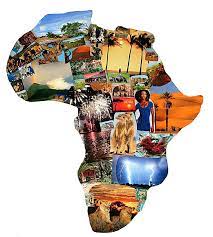
Greetings, fellow Africans! Today, I want to talk about a topic close to my heart: promoting entrepreneurship to build independent and self-reliant communities across Africa. ๐ฑ
Africa is a continent rich in resources, diversity, and potential. We have a vibrant culture and a strong spirit of resilience. However, to truly thrive, we must harness our entrepreneurial spirit and create opportunities for ourselves. It is time for us to take charge of our destiny and pave the way for a prosperous Africa. ๐ช
So, how can we achieve this? Here are 15 strategies that can help us build independent and self-reliant communities. Let's dive in! ๐
1๏ธโฃ Education: Knowledge is power. Let us invest in education and equip our youth with the skills and mindset needed to become successful entrepreneurs. ๐
2๏ธโฃ Mentorship: Seek guidance from experienced entrepreneurs who can share their wisdom and provide valuable insights. Let's build a strong support system within our communities. ๐ค
3๏ธโฃ Collaboration: Together, we are stronger. Let's break down barriers and collaborate with fellow entrepreneurs to create innovative solutions and leverage each other's strengths. ๐ค
4๏ธโฃ Access to Finance: Secure funding is essential for starting and growing businesses. Let's explore various financing options and create platforms that connect entrepreneurs with investors. ๐ฐ
5๏ธโฃ Technology: Embrace the digital revolution! Utilize technology to scale businesses, reach wider markets, and create innovative solutions tailored to African needs. ๐ฑ
6๏ธโฃ Local Market Focus: Identify the unique demands and opportunities within our local markets. Let's create products and services that cater to the needs of our communities. ๐
7๏ธโฃ Value Addition: Add value to our natural resources through processing and manufacturing. This will create jobs, increase revenue, and reduce dependence on imports. ๐ ๏ธ
8๏ธโฃ Women Empowerment: Recognize the immense potential of our African women. Let's empower them with equal opportunities, access to resources, and the support to succeed as entrepreneurs. ๐ฉโ๐ฆฑ
9๏ธโฃ Risk-Taking: Be courageous in pursuing entrepreneurship. Embrace calculated risks, learn from failure, and adapt quickly to changing circumstances. ๐
๐ Networking: Forge relationships with like-minded individuals, organizations, and institutions. Attend conferences, seminars, and networking events to expand your reach and gain valuable insights. ๐ค
1๏ธโฃ1๏ธโฃ Government Support: Advocate for policies that encourage entrepreneurship and create an enabling environment for businesses to thrive. Let's work hand in hand with our governments for a brighter future. ๐๏ธ
1๏ธโฃ2๏ธโฃ Learn from Others: Draw inspiration from successful entrepreneurs around the world. Study their strategies, adapt them to our unique African context, and apply them to our own ventures. ๐
1๏ธโฃ3๏ธโฃ Start Small, Dream Big: Begin with modest ventures and gradually scale up. Rome wasn't built in a day, and neither will our entrepreneurial empires. Believe in yourself and your abilities. ๐ญ
1๏ธโฃ4๏ธโฃ Embrace African Unity: Let's foster a sense of unity and collaboration among African entrepreneurs. Together, we can overcome challenges, share resources, and uplift each other to greater heights. ๐
1๏ธโฃ5๏ธโฃ "Success is not the key to happiness. Happiness is the key to success. If you love what you are doing, you will be successful." - Albert Schweitzer. Find your passion, follow your dreams, and success will follow. ๐ซ
My fellow Africans, let us rise above the limitations imposed on us. Let's embrace our entrepreneurial spirit and build independent, self-reliant communities that will shape the future of Africa. ๐
Are you ready to take on the challenge? Share this article with your friends and family, and let's embark on this journey together. Together, we can thrive! ๐
What strategies resonate with you the most? How do you envision a self-reliant Africa? Let's discuss and inspire each other in the comments below! ๐
Updated at: 2025-06-07 12:32:18 (8 months ago by Melkisedeck Leon Shine)
Africa's vast potential for economic growth and societal progress hinges upon the effective development and utilization of its human capital. Achieving self-reliance necessitates a strategic, multi-pronged approach focusing on empowerment at both individual and community levels. This requires a concerted commitment to transformative education, fostering innovation ecosystems, and strategic collaborations, leveraging technological advancements while learning from global best practices. This article analyzes key strategies for cultivating human capital and building self-sufficient African societies, employing theoretical frameworks such as Human Capital Theory and the Dependency Theory to contextualize the challenges and opportunities.
Africa possesses a wealth of inherent strengths: creativity, innovation, and a rich tapestry of cultural heritage. Recognizing and nurturing this endogenous potential is crucial for sustainable development. This involves applying the principles of endogenous development, actively supporting and celebrating local initiatives, fostering an environment conducive to innovation through policies that encourage entrepreneurship and protect intellectual property, ensuring equitable participation and representation of all stakeholders. This approach acknowledges the limitations of solely relying on external factors, emphasizing the importance of internal capacity building. The concept of "glocalization," adapting global best practices to local contexts, is paramount in this endeavor.
High-quality education and vocational training are the cornerstones of societal progress. Equipping the African workforce with relevant skills for the dynamic 21st-century economy is paramount. This involves significant investment in robust and accessible educational systems, adaptable to the evolving needs of the modern economy. This includes promoting STEM education, integrating entrepreneurship training into curricula, and emphasizing the development of both hard and soft skills, aligning educational outcomes with labor market demands. This strategy draws from Human Capital Theory, which emphasizes the importance of education and training in increasing productivity and economic growth. Furthermore, the adoption of competency-based education and training (CBET) models can ensure that individuals acquire the specific skills needed by employers, reducing skill gaps and improving employability.
A vibrant and dynamic entrepreneurial ecosystem is essential for self-reliance and economic diversification. Supporting local startups and Small and Medium-Sized Enterprises (SMEs) through tailored initiatives is crucial for job creation and innovation. This requires creating a supportive regulatory environment, improving access to finance and venture capital, and establishing robust mentorship programs, drawing on concepts from institutional economics. Furthermore, fostering a culture of innovation and risk-taking through government incentives, business incubators, and access to technology can stimulate economic growth and community development. The application of Schumpeterian economics highlights the importance of creative destruction and entrepreneurship in driving economic progress.
Intra-African trade presents immense potential for economic growth and integration. Streamlining trade agreements, reducing non-tariff barriers, and investing in critical infrastructure such as transportation and communication networks are vital for unlocking the potential of cross-border commerce. Focusing on the development of regional value chains, promoting collaboration among African nations, and creating a more integrated and efficient African market are crucial steps towards achieving sustainable economic development. This approach aligns with the principles of regional integration and the theory of comparative advantage, emphasizing specialization and trade to maximize economic gains.
Bridging the digital divide between urban and rural areas is crucial for inclusive growth. Expanding internet access, promoting digital literacy, and utilizing technology to enhance access to essential services (healthcare, education, finance) are necessary steps. This involves strategies to reduce the cost of internet access, promote digital skills development, and leverage mobile technology to reach underserved populations. This digital transformation strategy aligns with the principles of the digital economy and can significantly enhance productivity, efficiency, and social inclusion. By mitigating the digital divide, the benefits of technological advancements can be shared more equitably.
While respecting and celebrating Africa's unique cultural identity, learning from successful development models elsewhere is essential. Adapting and implementing contextually relevant strategies, informed by global best practices, promotes continuous improvement. This approach acknowledges the importance of adapting global knowledge to local needs and context, avoiding a simplistic adoption of foreign models without considering the unique challenges and opportunities of the African continent. This also involves carefully evaluating and adapting successful strategies employed in other developing nations, ensuring their suitability to specific African contexts.
Reader Pool: What specific policy interventions or institutional reforms do you believe are most critical for fostering sustainable and inclusive economic growth in sub-Saharan Africa, and how can these be effectively implemented?
Updated at: 2025-05-28 11:12:19 (9 months ago by Melkisedeck Leon Shine)
Africa's vast reservoir of untapped human capital and inherent innovative spirit presents a significant opportunity for sustainable development. To fully realize this potential and achieve lasting economic independence, a strategic focus on intrapreneurship โ the fostering of entrepreneurial activity within established organizations โ is crucial. This approach transcends individual success, aiming to cultivate a culture of innovation that drives continent-wide economic growth and self-reliance. The concept of intrapreneurship, as defined by ..., involves empowering employees to assume entrepreneurial roles within their existing organizational structures, encouraging risk-taking, creative problem-solving, and the generation of groundbreaking solutions. This aligns with the resource-based view of the firm, which emphasizes the importance of leveraging internal capabilities for competitive advantage. In the African context, this translates to harnessing the abundant human capital for economic transformation.
Strategic Cultivation of an Intrapreneurial Ecosystem
The development of a thriving intrapreneurial environment necessitates a holistic and multi-faceted approach. Organizations must prioritize several key strategies, drawing upon established organizational behavior and change management theories. Specifically, the application of Kotter's 8-step change model is particularly relevant in implementing these strategies successfully.
Benchmarking Against Global Best Practices:
Numerous global organizations, including well-known examples such as Google, Apple, and 3M, have achieved remarkable success by cultivating intrapreneurial cultures. Analyzing these case studies reveals effective strategies and provides valuable lessons that can be adapted and contextualized to the African landscape. This comparative analysis allows for the identification of best practices and the avoidance of common pitfalls.
Harnessing Africa's Innate Resilience:
Africa's history is characterized by remarkable resilience and determination. This innate capacity for overcoming adversity should serve as inspiration for the current drive toward sustainable development. Intrapreneurship, as a strategic tool, empowers Africans to generate homegrown solutions to continent-specific challenges, fostering self-reliance and long-term economic prosperity. This aligns with the concept of endogenous development, which focuses on leveraging internal resources and capabilities for economic growth.
Conclusion and Recommendations
Fostering intrapreneurship is not merely a desirable objective; it is a strategic imperative for unlocking Africa's economic potential. By strategically implementing the outlined strategies, organizations can cultivate a culture of innovation, empowering employees to become agents of change. The success of this endeavor relies on strong leadership commitment, a supportive organizational culture, and continuous monitoring and evaluation. Future research should focus on developing culturally sensitive frameworks for implementing intrapreneurship programs in diverse African contexts and on measuring the long-term socio-economic impact of intrapreneurial initiatives.
Reader Pool: What are the most significant barriers to widespread adoption of intrapreneurship in African organizations, and what strategies can most effectively overcome these challenges?
Updated at: 2025-06-19 09:51:09 (8 months ago by Melkisedeck Leon Shine)
This article analyzes the critical need for cultivating self-reliant ecosystems in Africa to ensure the long-term sustainability of wildlife conservation. Central to this discussion are the interconnected concepts of ecosystem resilience, community-based conservation (CBC), sustainable tourism, and capacity building. Ecosystem resilience, drawing upon ecological principles, describes an ecosystem's ability to absorb disturbances and recover. Community-based conservation, rooted in social equity theories, emphasizes the active participation of local communities as essential partners. Sustainable tourism, aligning with sustainable development goals, aims to minimize environmental impact while maximizing economic benefits for local communities. Lastly, capacity building, informed by human capital theory, focuses on providing the necessary skills and resources for effective conservation management. We will explore these concepts through established ecological and socio-economic frameworks, demonstrating their practical application within the diverse African context.
The establishment of resilient ecosystems is paramount for the long-term viability of African wildlife and the continent's ecological integrity. Applying the principles of ecological resilience theory, we recognize that biodiversity loss and habitat fragmentation severely compromise an ecosystem's ability to withstand shocks and adapt to environmental change. Independent, biodiverse, and interconnected ecosystems demonstrate superior resilience, crucial in mitigating the impacts of climate change, habitat degradation, and human-wildlife conflictโchallenges significantly impacting African wildlife populations. Self-reliant ecosystems, minimizing external dependencies, promote inherent stability and long-term sustainability, directly contributing to ecological sustainability and the achievement of the Sustainable Development Goals (SDGs).
Achieving self-reliant ecosystems necessitates a paradigm shift towards community-based conservation (CBC). This approach recognizes local communities not merely as stakeholders but as integral partners in conservation success. The following strategies are pivotal in empowering communities and fostering self-reliance:
Africa can benefit significantly from successful conservation initiatives elsewhere. Case studies from countries such as Costa Rica and Kenya, demonstrating the effective integration of conservation with economic development, offer valuable insights into successful CBC models, sustainable tourism strategies, and policy frameworks. Analyzing these successes through the lens of institutional theory highlights the crucial role of effective governance and policy in achieving conservation outcomes. Adapting and applying these proven strategies to the unique contexts of diverse African ecosystems can substantially enhance conservation effectiveness.
The legacies of visionary African leaders like Nelson Mandela, Julius Nyerere, and Wangari Maathai highlight the profound connection between environmental stewardship and social progress. Their commitment to social justice and environmental conservation serves as an enduring inspiration, demonstrating the interdependence of environmental sustainability and human well-being. Their leadership exemplifies transformational leadership principles, motivating collective action towards a sustainable future and underscoring the necessity of strong political will and long-term commitment for effective environmental management.
Fostering self-reliant ecosystems in Africa demands a holistic, collaborative approach that prioritizes community empowerment, sustainable development, and robust governance. Successful conservation necessitates the integration of ecological principles with socio-economic considerations, acknowledging the interconnected fates of people and nature. Further research should assess the efficacy of various CBC models across diverse African contexts, exploring technology's role in enhancing conservation efforts and examining the long-term economic and social benefits of ecosystem-based adaptation strategies. By embracing shared responsibility and collective action, Africa can secure the long-term sustainability of its invaluable wildlife heritage, building a future where both people and nature flourish. A multi-pronged approach utilizing qualitative and quantitative methodologies, including case studies, statistical analysis, and participatory evaluations, is needed to evaluate the effectiveness of different strategies and policies. This approach will strengthen future interventions and guide adaptive management strategies. Recommendations include increased investment in community-led conservation programs, strengthened regional collaborations, and policy frameworks that integrate environmental protection and social equity considerations.
Reader Pool: How can we further refine the integration of traditional ecological knowledge (TEK) with modern scientific approaches to optimize the effectiveness of community-based conservation initiatives in Africa, and what are the potential challenges and opportunities in doing so?
Updated at: 2025-02-24 17:25:18 (1 year ago by Melkisedeck Leon Shine)
Africa possesses immense untapped potential: abundant resources, rich cultures, and a resilient population. Realizing this potential requires a strategic investment in the very foundation of our societies: healthcare. A healthy population is the cornerstone of economic prosperity, social stability, and a truly independent continent.
Building a robust healthcare system is not merely about providing treatment; it's about creating a comprehensive infrastructure that prioritizes prevention and access to quality care for all. This includes strengthening primary healthcare, expanding access to essential medicines, and investing in medical training and research. This proactive approach will lead to improved health outcomes, reduced mortality rates, and a more productive workforce.
We can learn valuable lessons from other nations' successes. Rwanda's significant progress in healthcare infrastructure and improved maternal and child health provides a compelling example. By studying best practices and adapting them to the unique context of different African nations, we can accelerate our progress towards universal healthcare access.
Prevention is paramount. Investing in preventative healthcareโvaccination programs, disease surveillance, public health education, and promoting healthy lifestylesโis a cost-effective strategy that yields significant long-term benefits. Empowering communities with health literacy and resources allows them to proactively manage their well-being.
This is not simply a national endeavor; it demands a unified pan-African approach. Collaboration across borders is essential to sharing resources, knowledge, and best practices. A collective commitment to healthcare ensures that all citizens, regardless of their geographic location or socioeconomic status, have access to the care they need.
The benefits extend far beyond individual well-being. A healthy population translates to a more productive workforce, driving economic growth and innovation. Investing in healthcare is an investment in Africa's future prosperity. It fosters a dynamic and competitive economy, capable of attracting foreign investment and creating sustainable jobs.
Furthermore, investment should extend beyond hospitals and clinics to empower local communities. This includes providing healthcare education, training opportunities for healthcare professionals, and creating job opportunities within the healthcare sector itself. By fostering local capacity, we build a self-reliant healthcare system capable of adapting to evolving needs.
The legacy of leaders like Kwame Nkrumah, who famously stated "Health is wealth," reminds us of the enduring importance of prioritizing healthcare. His words serve as a call to action, urging us to invest in our people and honor the vision of a healthy and prosperous Africa.
This journey requires collective action. We must advocate for increased healthcare investment, support initiatives that promote health equity, and engage in open dialogue about the challenges and opportunities facing our healthcare systems. By working together, we can build a healthcare system that reflects our values and aspirations.
The time for decisive action is now. Let's transform our collective commitment into tangible results, building a healthcare system that is resilient, equitable, and sustainable. Together, we can create a healthy and self-reliant Africa, a continent where every citizen has the opportunity to thrive.
Let us seize this opportunity to build a healthier, more prosperous future for generations to come. Join the movement, share this message, and let's make Africa a beacon of health and well-being.
Updated at: 2025-05-19 10:07:43 (9 months ago by Melkisedeck Leon Shine)
This article analyzes the critical role of clean energy infrastructure investment in propelling African independence and sustainable development. We will explore key concepts including energy security, sustainable development goals (SDGs), the resource curse, and diffusion of innovation theory. Energy security denotes reliable and affordable energy access. The SDGs, specifically SDG 7 (Affordable and Clean Energy), provide a framework for sustainable progress. The resource curse describes the paradoxical link between abundant natural resources and underdevelopment. Diffusion of innovation theory examines the adoption and spread of new technologies within a society. These theoretical lenses will inform our analysis of clean energy's transformative potential in Africa.
Harnessing Abundant Natural Resources for Energy Independence: Africa possesses vast solar and wind resources, offering a unique advantage in transitioning to clean energy. This abundant potential directly counters the resource curse by shifting dependence from volatile extractive industries to a diversified, renewable energy-based economy. Leveraging these resources for indigenous energy generation fosters energy independence, mitigating vulnerability to global energy price fluctuations and geopolitical instability. This aligns with the concept of energy security, ensuring reliable and affordable access to energy for national development. Strategic investments in grid infrastructure and energy storage solutions are crucial to manage the intermittency inherent in renewable energy sources. This approach also directly supports SDG 7, promoting universal access to modern energy services.
Economic Growth and Inclusive Development via Clean Energy Investments: Developing clean energy infrastructure stimulates economic growth and job creation. The renewable energy sector presents diverse opportunities across its value chain, from manufacturing and installation to operation and maintenance. This aligns with the principles of inclusive growth, distributing economic benefits broadly and reducing inequalities. A robust domestic renewable energy industry reduces reliance on imported technology, fostering technological self-reliance. This approach directly addresses potential negative effects of the resource curse by diversifying the economy and reducing reliance on potentially volatile commodity exports. The creation of green jobs contributes to social and economic development, reflecting the interconnectedness emphasized in the SDGs.
The Transformative Social Impact of Clean Energy Access: Universal access to affordable and reliable electricity is transformative. Improved electricity access enhances economic development, improves health and education outcomes, promotes social inclusion, and bridges the urban-rural divide. This directly contributes to the broader aims of sustainable development, fostering social equity and well-being, particularly reducing poverty and empowering marginalized communities. This resonates with the transformative potential envisioned by the SDGs, emphasizing the interconnectedness of economic growth, social equity, and environmental sustainability.
Learning from Global Best Practices and Adapting Strategies: Successful clean energy transitions are not unprecedented. Germany's Energiewende demonstrates the feasibility of ambitious renewable energy targets, reducing carbon emissions while creating a significant green jobs sector. This exemplifies the diffusion of innovation theory, showcasing the successful adaptation and implementation of a model in a different context. Africa can learn from Germany's experience, adapting strategies to its unique geographic and socioeconomic conditions. This necessitates adopting principles of adaptive management and technology transfer, considering policy design, technological suitability, and capacity building tailored to African contexts.
Strategic Investment and Collaborative Action for Sustainable Outcomes: Investing in clean energy infrastructure is a strategic move towards energy security, environmental sustainability, and national self-reliance. It demands concerted efforts from governments, the private sector, and civil society. Public-private partnerships and international collaborations are critical for accelerating the transition. Effective policy frameworks, transparent governance, and local capacity building are essential for long-term success. This collaborative approach acknowledges the complexities inherent in large-scale infrastructural development and emphasizes the importance of coordinated action for sustainable outcomes.
Individual and Collective Responsibility in Achieving a Clean Energy Future: Individual actions are vital. Raising awareness about clean energy benefits, supporting renewable energy projects, and advocating for supportive policies are crucial. Engaging in public discourse, disseminating information, and promoting a culture of sustainable energy consumption are essential for achieving collective change. Individual and collective responsibility are inseparable elements of a successful transition to a clean energy future.
Investing in clean energy infrastructure offers Africa an unparalleled opportunity to achieve energy independence, boost economic growth, and foster sustainable development. A multifaceted approach is crucial, including strategic investments in renewable energy technologies, grid infrastructure, and capacity building. Effective policy frameworks, public-private partnerships, and international collaboration are essential to accelerate the transition. Further research should focus on optimizing renewable energy integration, addressing energy storage challenges, and developing effective financing mechanisms. Prioritizing knowledge transfer, technology adaptation, and local expertise development ensures long-term sustainability. The successful implementation of these strategies will not only improve the lives of millions of Africans but also serve as a global model for sustainable development and self-reliance in other developing nations. A thorough cost-benefit analysis considering environmental and social externalities should be integrated into future planning. This rigorous approach will ensure that the benefits of clean energy are maximized for both current and future generations.
Reader Pool: Considering the diverse geographical, economic, and political contexts across Africa, what innovative financing mechanisms and policy frameworks could best accelerate the adoption of clean energy technologies and ensure equitable access to their benefits?
Updated at: 2025-07-06 10:18:38 (8 months ago by Melkisedeck Leon Shine)
This article examines the critical path towards achieving economic self-reliance in Africa through the strategic development of local industries. We will explore key concepts such as import substitution industrialization, value chain development, and the role of entrepreneurship within the framework of endogenous growth theory and dependency theory. Import substitution industrialization focuses on replacing imported goods with domestically produced ones, fostering local production and reducing reliance on external markets. Value chain development emphasizes enhancing the efficiency and competitiveness of each stage of production, from raw materials to finished goods. Endogenous growth theory posits that technological innovation and human capital development are key drivers of long-term economic growth, while dependency theory highlights the historical and ongoing challenges posed by global economic power imbalances.
1. Harnessing Agricultural Potential for Economic Growth: Africa's agricultural sector presents a significant opportunity for economic transformation. Applying principles of the Green Revolution, including investments in advanced farming techniques, irrigation infrastructure, and high-yield crop varieties, can significantly boost agricultural productivity. Furthermore, fostering agricultural entrepreneurship through access to microfinance, training programs, and market linkages will stimulate innovation and value addition within the sector, creating jobs and generating export revenue. This approach aligns with the concept of clustered industrial development, leveraging geographic proximity and shared resources to enhance efficiency and competitiveness.
2. Value Addition and Resource-Based Industrialization: Africa's abundant natural resources represent a crucial asset for industrial development. However, simply exporting raw materials limits economic gains. Implementing value addition strategies, such as processing minerals, manufacturing textiles from locally sourced cotton, and transforming agricultural products into finished goods, can substantially increase the economic benefits derived from these resources. This approach is consistent with the principles of backward and forward linkages in industrial development, stimulating growth in related industries.
3. Cultivating a Thriving Entrepreneurial Ecosystem: Entrepreneurship is the engine of economic growth. Creating a supportive environment for entrepreneurs necessitates access to capital through microfinance initiatives and venture capital funds, coupled with comprehensive business development services, including training, mentoring, and access to markets. This aligns with the concept of institutional economics, which underscores the importance of strong institutions and supportive policies for economic development. Government initiatives to reduce bureaucratic hurdles and foster a transparent regulatory environment are essential.
4. Investing in Human Capital Development: Education and skills development are paramount for sustainable economic growth. Investing in quality education, vocational training, and technology-focused education will equip the workforce with the necessary skills to drive innovation and participate in a modern, competitive economy. This is rooted in the human capital theory, recognizing that investment in education and skills translates directly into increased productivity and economic output. Targeted training programs aligned with the demands of emerging industries are crucial.
5. Embracing Sustainable Development Practices: Integrating sustainable development principles into industrial development strategies is not just environmentally responsible; it's economically sound. Adopting green technologies, promoting circular economy models, and investing in renewable energy sources will create jobs, attract foreign investment, and enhance the long-term competitiveness of African industries. This approach aligns with the principles of sustainable development goals, emphasizing economic growth that is environmentally and socially responsible.
6. Fostering Pan-African Collaboration and Regional Integration: Economic self-reliance requires regional collaboration and integration. Promoting intra-African trade, establishing regional value chains, and harmonizing policies will create larger markets, foster economies of scale, and enhance competitiveness on the global stage. This approach is in line with the theory of regional integration, highlighting the benefits of cooperation among nations for enhanced economic development.
Conclusions and Recommendations: Achieving economic self-reliance in Africa requires a multifaceted approach that integrates industrial development strategies with investments in human capital, infrastructure, and institutional reforms. Focusing on value addition, promoting entrepreneurship, and embracing sustainable development practices are critical elements of this strategy. Regional integration and cooperation are crucial for creating larger markets and enhancing competitiveness. Further research should focus on evaluating the effectiveness of specific policy interventions, identifying bottlenecks to industrial development, and developing tailored strategies for different African contexts. The success of this endeavor depends on strong political will, effective policy implementation, and a commitment to collaborative partnerships between governments, the private sector, and civil society.
Reader Pool: Considering the challenges posed by global economic dynamics and historical patterns of dependency, what innovative strategies can effectively bridge the gap between policy formulation and practical implementation to accelerate industrial development in Africa?
Updated at: 2025-02-23 09:58:23 (1 year ago by Melkisedeck Leon Shine)
Africa possesses unparalleled natural beauty and cultural richness, offering immense potential for eco-tourism. However, realizing this potential requires a strategic approach that prioritizes community empowerment and environmental sustainability. This article explores key strategies to build a self-reliant African community through eco-tourism, fostering both economic growth and environmental preservation. The path forward involves embracing independent conservation, leveraging technology, and learning from global best practices.
Local Ownership: The Cornerstone of Success
Sustainable eco-tourism hinges on local ownership and participation. By empowering local communities, we ensure that the economic benefits of tourism directly support their livelihoods, creating jobs, and driving local economic growth. This approach fosters a sense of pride and responsibility, transforming local communities into stewards of their natural heritage. This participatory model ensures that tourism development aligns with community needs and values, fostering genuine sustainability.
Investing in Education and Skills Development
Long-term success in eco-tourism necessitates a skilled and knowledgeable workforce. Investing in education and training programs equips communities with the essential skills for various tourism-related roles, from guiding and hospitality to sustainable resource management. By developing local expertise, we enhance the quality of tourism experiences while ensuring community members benefit from the industry's growth. This investment translates into improved service delivery, enhanced visitor satisfaction, and ultimately, a more sustainable tourism sector.
Harnessing Technology for a Greener Future
Technology plays a crucial role in promoting sustainable eco-tourism. Digital marketing strategies can effectively showcase Africaโs unique offerings to a global audience, while sustainable technologies in accommodation and operations minimize environmental impact. From implementing efficient energy systems to utilizing digital platforms for booking and communication, technology enables eco-friendly practices and enhances operational efficiency. This integration creates a more connected and environmentally conscious tourism sector, showcasing Africa's commitment to sustainability on a global stage.
Community-Based Tourism: Empowering Local Voices
Community-based tourism ensures that local communities are active participants in decision-making processes, ensuring their needs and aspirations are central to tourism development. This model fosters authentic experiences that celebrate the rich diversity of African cultures and traditions, offering visitors a deeper understanding and appreciation of local life. By empowering communities to shape their own tourism futures, we create a more equitable and sustainable tourism sector that benefits both visitors and locals alike. This collaborative approach guarantees the long-term preservation of cultural heritage and natural resources.
Learning from Global Best Practices
Successful eco-tourism models in countries like Costa Rica and Kenya provide valuable lessons. Their experiences demonstrate that responsible tourism can both protect natural wonders and boost economies. By adapting and integrating these successful strategies within the unique African context, we can accelerate the development of a vibrant and sustainable eco-tourism sector. Learning from others enables us to avoid potential pitfalls and accelerate the adoption of best practices.
Building a Sustainable Future for Africa
Eco-tourism offers a pathway towards a self-reliant Africa, where natural beauty and cultural heritage are preserved for future generations. By prioritizing community empowerment, investing in education, and embracing sustainable practices, we can create a tourism sector that benefits both people and the planet. This approach will ensure that Africaโs natural resources remain a source of pride and prosperity for years to come. The future of African eco-tourism lies in collaboration, innovation, and a shared commitment to building a sustainable and prosperous future.
Join the conversation! Share your ideas and insights on how we can collectively build a more sustainable and prosperous future for Africa through eco-tourism. Let us work together to unlock the full potential of this remarkable continent.
Updated at: 2025-06-19 11:31:07 (8 months ago by Melkisedeck Leon Shine)
Introduction: Defining Key Concepts
This article explores the pivotal role of green technology in securing Africa's environmental future. We define green technology as the application of environmentally sound technologies and practices aimed at mitigating environmental damage, conserving natural resources, and promoting sustainable development. Environmental sustainability, in this context, refers to the ability to meet the needs of the present without compromising the ability of future generations to meet their own needs. Central to this discussion are the principles of ecological modernization, which posit that economic growth and environmental protection are not mutually exclusive, but rather can be mutually reinforcing through technological innovation and policy shifts. We will analyze the application of these concepts using case studies and relevant theoretical frameworks, including the Diffusion of Innovations theory and the Resource-Based View.
Sustainable Practices and Energy Transition: A Multifaceted Approach
The transition to a sustainable future necessitates a holistic approach encompassing individual actions, effective policy frameworks, and collaborative innovation. The adoption of green technologies, such as solar and wind energy, represents a crucial shift away from fossil fuel dependence. This aligns with the principles of ecological modernization, demonstrating how technological innovation can decouple economic growth from environmental degradation. Individual adoption of sustainable agricultural practices, informed by principles of agroecology and permaculture, further contributes to environmental resilience and resource efficiency. This individual-level engagement, however, must be complemented by robust policy frameworks that incentivize green technology adoption and discourage environmentally harmful practices. Such policies could draw upon the insights of environmental economics, considering the optimal balance between environmental protection and economic development.
Human Capital Development: Investing in a Green Future
Investing in education and skills development is paramount. Empowering African youth with expertise in renewable energy, conservation, and eco-friendly innovations is crucial for long-term sustainability. This investment in human capital, informed by human capital theory, is not merely an economic imperative but a societal necessity. Educational programs should incorporate experiential learning and community engagement, fostering a generation of environmentally conscious leaders capable of developing and implementing effective, context-specific solutions. Such an approach aligns with the capabilities approach, emphasizing the development of individual capabilities to contribute to sustainable development.
Collaborative Innovation: A Pan-African Approach
Regional and continental collaboration is crucial for accelerating the adoption of green technologies. Sharing best practices, knowledge, and resources across diverse African nations allows for the development of tailored solutions addressing unique environmental challenges. This approach mirrors the principles of collaborative innovation networks, leveraging the collective intelligence and experience of multiple stakeholders. This network effect, enhanced through knowledge sharing platforms and regional partnerships, significantly accelerates progress toward sustainable development goals.
Leadership and Inspiration: Case Studies in Success
The legacy of environmental leaders like Wangari Maathai underscores the transformative potential of collective action. Her Green Belt Movement serves as a powerful case study, illustrating the effectiveness of grassroots initiatives in promoting environmental stewardship. Similarly, Rwanda's success in national electrification using renewable energy provides a tangible example of effective policy implementation and technological innovation. This case demonstrates how the Resource-Based View can inform sustainable development strategies, leveraging renewable resources for both economic and environmental benefits. Such success stories inspire and provide blueprints for other African nations seeking energy independence and environmental protection.
Economic and Social Benefits: A Win-Win Scenario
The transition to a green economy offers substantial socio-economic benefits. Investing in green technology creates new job opportunities in renewable energy, sustainable agriculture, and environmental conservation. Improved public health, stemming from cleaner air and water, further contributes to overall well-being. By reducing poverty through job creation and improving access to essential services, green technologies contribute to inclusive and sustainable development. This aligns with the Sustainable Development Goals, highlighting the interconnectedness of environmental, social, and economic progress.
Conclusion and Recommendations
Securing Africa's environmental future requires a concerted effort leveraging technological innovation, policy reforms, and human capital development. The transition to a green economy offers a pathway to sustainable development, fostering economic growth while safeguarding the environment. Future research should focus on: (1) developing context-specific models for green technology adoption across diverse African ecosystems, (2) analyzing the effectiveness of different policy instruments in incentivizing green technology uptake, and (3) assessing the long-term socio-economic impacts of green technology investments. By fostering collaboration, supporting education, and implementing effective policies, Africa can unlock its full potential for sustainable development, creating a prosperous and environmentally resilient future for generations to come. The potential impact is significant, ranging from improved public health and economic growth to enhanced biodiversity and climate change mitigation. The applicability of this approach is broad, extending beyond Africa to other regions facing similar environmental and developmental challenges.
Reader Pool: What innovative policy mechanisms could most effectively accelerate the adoption of green technologies in diverse African contexts, considering the specific challenges and opportunities present in different regions?
Updated at: 2025-02-28 12:16:15 (1 year ago by Melkisedeck Leon Shine)
Africa's vibrant tapestry of artistry, from intricate beadwork to stunning textiles, represents a wealth of untapped potential. Empowering African artisans isn't merely about economic growth; it's about fostering self-reliance, celebrating cultural heritage, and building a stronger, more independent continent. This article explores key strategies to cultivate independent creativity within our artistic communities, paving the way for a brighter future.
Celebrating the Rich Diversity of African Art: The foundation of any empowerment strategy lies in recognizing and valuing the exceptional talent that already exists. Appreciating the unique artistry of each region, from the vibrant colors of Maasai beadwork to the intricate patterns of West African textiles, fosters pride and encourages artisans to continue pushing creative boundaries. Showcasing this artistry on a global stage not only generates economic benefits but also enhances cultural understanding and appreciation worldwide. Let's champion the distinctive identity of our continent's artistic heritage.
Investing in Education and Skills Development: Access to quality education is paramount. Investing in programs that provide artisans with essential skills in craftsmanship, business management, and digital marketing equips them to navigate the complexities of the modern marketplace. This includes training in sustainable practices, efficient production techniques, and effective financial management, crucial for building thriving businesses. Equipping artisans with these skills transforms them from talented individuals into empowered entrepreneurs.
The Power of Collaboration: Collective strength is invaluable. Encouraging the formation of artisan cooperatives and associations fosters collaboration, resource sharing, and mutual support. These networks provide a platform for sharing best practices, negotiating better prices for materials, and accessing collective marketing opportunities. Collective action amplifies individual voices, allowing artisans to participate more effectively in local and international markets.
Expanding Market Access: Connecting artisans with buyers is critical for sustainable success. This requires a multi-pronged approach, including the development of online marketplaces showcasing African artistry to a global audience. Partnerships with fair-trade organizations and government initiatives ensure fair pricing and ethical practices. Establishing dedicated artisan hubs within communities creates physical spaces for showcasing and selling products, fostering local economic growth.
The Transformative Role of Mentorship: Experienced artisans play a vital role in nurturing the next generation of talent. Mentorship programs connect established artists with aspiring ones, transferring valuable skills, knowledge, and industry insights. This creates a supportive ecosystem where established artisans can share their experiences, provide guidance on business strategies, and inspire future generations to maintain and evolve our artistic traditions.
Nelson Mandelaโs words, "Education is the most powerful weapon which you can use to change the world," resonate deeply within this context. By prioritizing education, promoting collaboration, and facilitating access to markets, we empower African artisans to become agents of change within their communities and beyond. This initiative isn't merely about economic upliftment; it's about preserving cultural heritage, fostering innovation, and building a more resilient and prosperous Africa.
Let's work together to create a continent where every artisan has the opportunity to flourish. What innovative approaches can we implement to further empower our talented artisans? Share your ideas and experiences in the comments below. Together, letโs unlock the immense creative potential that resides within our vibrant communities, crafting a brighter future for Africa.
Share this article and let's inspire a movement of empowerment and collaboration. Let's build an Africa where creativity thrives, and every artisan's unique talent shines brightly on the world stage. The future of Africaโs artistic landscape is in our hands โ let's make it a masterpiece.