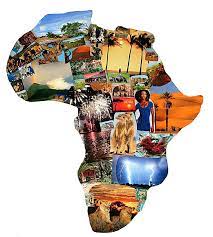
Promoting Good Governance: Building a Strong Foundation for the United States of Africa
Welcome Back.
Updated at: 2023-08-07 07:28:24 (2 years ago by Melkisedeck Leon Shine)
Promoting Good Governance: Building a Strong Foundation for the United States of Africa 🌍🌟
As Africans, we have a shared history, culture, and a collective vision for a brighter future. It is time for us to unite and create a single sovereignty body to be called "The United States of Africa." This ambitious endeavor requires strategic planning and a commitment to promoting good governance. Let us explore fifteen key points on how we can achieve this monumental task and inspire our fellow Africans along the way.
1️⃣ Embrace African Unity: We must foster a sense of pan-Africanism, transcending borders and tribal affiliations, and recognizing our common goals and aspirations.
2️⃣ Promote Economic Liberalization: By removing barriers to trade and investment, we can unleash the full potential of Africa's economies, paving the way for a prosperous continent.
3️⃣ Advocate for Political Liberalization: Encouraging democratic practices and ensuring political participation for all citizens will foster good governance and transparency.
4️⃣ Learn from Global Experiences: Drawing lessons from successful regional blocs like the European Union, we can develop strategies tailored to our unique African context.
5️⃣ Strengthen Institutions: Building robust institutions that are transparent, accountable, and free from corruption is crucial for the United States of Africa to thrive.
6️⃣ Empower Youth: Investing in the education and skills development of our young population will ensure a vibrant and capable workforce, driving innovation and growth.
7️⃣ Harness the Power of Technology: Leveraging technological advancements can bridge the digital divide and propel Africa into the forefront of the global digital economy.
8️⃣ Preserve African Morals and Values: Upholding our rich cultural heritage while embracing progress will help create a strong foundation for the United States of Africa.
9️⃣ Promote Gender Equality: Recognizing the essential role of women in African society and ensuring their full participation in all aspects of governance and development is crucial for our success.
🔟 Encourage Regional Integration: Strengthening existing regional blocs and fostering cooperation among African nations will lay the groundwork for a united Africa.
1️⃣1️⃣ Draw Inspiration from African Leaders: As we embark on this historic journey, let us remember the wise words of leaders like Kwame Nkrumah: "Africa must unite or perish."
1️⃣2️⃣ Foster a Culture of Peace and Tolerance: Embracing diversity and promoting peaceful coexistence will be essential for the success of the United States of Africa.
1️⃣3️⃣ Engage the African Diaspora: Recognizing the contributions of Africans in the diaspora and involving them in the process of building the United States of Africa will strengthen our collective voice.
1️⃣4️⃣ Promote Sustainable Development: Adopting environmentally friendly practices and ensuring the equitable distribution of resources will lead to a more prosperous and resilient Africa.
1️⃣5️⃣ Believe in Our Potential: Above all, we must have faith in our capabilities as Africans. We are capable of achieving greatness and forming the United States of Africa if we work together towards a common vision.
In conclusion, dear fellow Africans, let us seize this opportunity to develop our skills and knowledge in strategies towards the formation of the United States of Africa. We have the power to make this dream a reality, and by uniting as one, we can build a strong foundation for a prosperous and harmonious Africa. Share this article with your friends and family, and let us embark on this transformative journey together. What steps will you take to contribute to the formation of the United States of Africa? Let us inspire each other and create a brighter future for generations to come. 🌍🤝
Updated at: 2025-02-28 11:52:20 (10 months ago by Melkisedeck Leon Shine)
The dream of a unified Africa, a single sovereign entity often referred to as the "United States of Africa," resonates deeply within the hearts of many. This vision, fueled by a shared heritage and a rich tapestry of interconnected histories, represents a powerful aspiration for continental progress and prosperity. This article explores a multi-faceted strategy to achieve this ambitious goal, urging collaborative action from all Africans.
The path towards a unified Africa is paved with several key initiatives. Successful integration requires a holistic approach, addressing economic, political, social, and cultural aspects simultaneously. This is not merely a political undertaking; it’s a fundamental shift in how we perceive ourselves – as a collective force, capable of extraordinary achievements.
Education and Awareness: A cornerstone of any successful unification effort is a well-informed populace. Comprehensive educational programs are crucial to fostering a shared understanding of Africa's history, cultural diversity, and the immense potential of unity. This involves highlighting the benefits of a united Africa, dispelling misconceptions, and fostering a sense of collective identity.
Strong and Visionary Leadership: The success of this endeavor hinges on the emergence of leaders who prioritize the collective good of the continent above national interests. These leaders must champion African economic and political liberalization, fostering an environment of collaboration and mutual respect.
Economic Integration: A unified economic framework is essential. This involves establishing a common currency, streamlining trade policies, facilitating the free movement of goods and services, and creating a robust single market. Such initiatives will stimulate economic growth and improve the overall standard of living across the continent.
Infrastructure Development: Significant investment in infrastructure – including robust transportation networks (highways, railways), advanced communication systems, and reliable energy grids – is paramount. Improved connectivity will foster greater interaction, collaboration, and a stronger sense of community.
Pan-African Cultural Festivals: The celebration of our diverse cultures is integral to fostering unity. Regular pan-African cultural festivals and exchange programs will create opportunities for cross-cultural understanding, promoting harmony and mutual appreciation.
Peace and Security: A stable and secure environment is crucial for progress. Strengthening regional security mechanisms, enhancing collaborative peacekeeping efforts, and promoting conflict resolution through dialogue are vital steps toward achieving lasting peace and stability across the continent.
Youth Empowerment: Investing in the education, skills development, and entrepreneurial opportunities for Africa's youth is a strategic imperative. Empowering the next generation will ensure the long-term sustainability and success of a unified Africa.
Media Collaboration: A unified media landscape that promotes balanced reporting and positive narratives about Africa is critical. Collaborative efforts among African media outlets can help shape a more accurate and optimistic global perception of the continent.
Healthcare and Social Development: Improving healthcare access and collaborating on social development programs are essential for improving the quality of life for all Africans. Sharing best practices and resources will contribute to a healthier and more equitable society.
Sports and Cultural Exchange: Promoting friendly competitions and cultural exchanges through sports and artistic collaborations can foster a strong sense of camaraderie and shared identity.
Diplomatic Cooperation: Strengthening diplomatic ties among African nations is essential for effective negotiation, conflict resolution, and collaborative problem-solving.
Environmental Conservation: Addressing climate change and protecting Africa's natural resources through collaborative environmental conservation initiatives is crucial for a sustainable future.
Learning from Global Models: Studying successful models of regional integration from other parts of the world, such as the European Union, can provide valuable insights and lessons for adapting strategies to the unique context of Africa.
Drawing on the Wisdom of the Past: The words of visionary leaders like Kwame Nkrumah – "Africa must unite, or perish" – serve as a powerful reminder of the urgency and importance of this endeavor.
Empowering Individuals: The realization of the "United States of Africa" requires the active participation of every individual. Equipping ourselves with the knowledge and skills necessary to contribute to this vision is a vital step.
The journey towards a unified Africa is a collective undertaking, requiring a sustained commitment to collaboration, innovation, and a shared vision for a brighter future. Let us rise above our differences, embrace our commonalities, and work together to make the "United States of Africa" a tangible reality. The time for action is now. What steps will you take to contribute to this momentous undertaking? Share your thoughts and join the conversation.
Updated at: 2025-03-01 17:13:13 (10 months ago by Melkisedeck Leon Shine)
```htmlThe dream of a United States of Africa is not merely a utopian vision; it's a tangible objective achievable through concerted effort and a unified vision. Africans possess a unique opportunity to collaborate, creating a continent-wide alliance that shapes our future. This article explores strategies for realizing this ambitious goal, focusing on overcoming regional disparities and cultivating a powerful sense of collective identity.
Embracing Pan-Africanism: A Foundation for Unity
Pan-Africanism forms the cornerstone of African unity. Recognizing our shared history, collective struggles, and aspirations unites us as a single people. Embracing this ideology transcends regional divisions, fostering collaborative efforts towards a unified Africa.
Economic Integration: A Catalyst for Growth
Robust economic integration is paramount. Dismantling trade barriers, promoting the free flow of goods and services, and encouraging cross-continental investment are crucial steps. A unified African market stimulates economic expansion and creates opportunities for all citizens.
Promoting Political Liberalization: Governance for the People
The success of a United States of Africa hinges on democratic principles and effective governance. Transparent, accountable leadership, upholding the rule of law, and safeguarding human rights are indispensable. Political liberalization establishes a robust and inclusive political system reflecting the aspirations of all Africans.
Cultural Exchange: Celebrating Diversity, Embracing Unity
Africa's diverse cultural tapestry is a source of strength and richness. Fostering cultural exchange enhances mutual understanding and bridges regional divides. Celebrating our unique heritages while embracing our shared African identity strengthens our collective strength.
Investing in Education: Empowering Future Generations
Education is the bedrock of progress. Investing in high-quality education empowers individuals with the skills and knowledge necessary to actively participate in building a United States of Africa. Education is a powerful tool for overcoming regional differences and building a brighter future.
Learning from Global Successes: Adapting Best Practices
Studying the experiences of other regions that have achieved successful integration, such as the European Union, provides valuable insights. Adapting successful strategies to the unique African context allows us to learn from both successes and challenges.
Harnessing Technology: Bridging the Digital Divide
Technology's power to connect people globally is undeniable. Utilizing technology to overcome geographical barriers, fostering communication, and enabling collaboration among Africans is crucial. Digital platforms facilitate idea exchange, experience sharing, and collaborative efforts towards shared goals.
Engaging the Youth: The Future Leaders of Africa
Africa's youth are the future leaders and agents of change. Their active participation is essential, providing opportunities for their voices to be heard and their contributions valued in decision-making processes. Empowering the youth secures a sustainable and inclusive future for the continent.
Promoting Economic Liberalization: Fostering Growth and Opportunity
Economic liberalization is vital. Creating an environment that encourages entrepreneurship, innovation, and investment is crucial. Reducing bureaucratic barriers and fostering a business-friendly climate attract both domestic and foreign investment, driving economic growth and job creation.
Celebrating African Leadership: Drawing Inspiration from the Past
The legacy of African leaders who fought for independence and liberation serves as a powerful source of inspiration. Celebrating their achievements and learning from their leadership reminds us of the importance of unity and collective action. The words of Nelson Mandela, Kwame Nkrumah, and Patrice Lumumba, among others, echo the enduring power of unity.
Reinforcing Regional Organizations: Strengthening Collaborative Efforts
Regional organizations like the African Union and ECOWAS play a crucial role in fostering continental unity. Strengthening these organizations, empowering them with greater authority, and ensuring their effectiveness in promoting cooperation and integration are essential for progress.
Addressing Security Challenges: Building a Peaceful Continent
Security challenges such as terrorism and conflict hinder unity. Collaborative efforts, intelligence sharing, coordinated actions, and promoting peace and stability are crucial. Prioritizing security cooperation creates a safer and more united Africa.
Engaging the Diaspora: Harnessing Global African Talent
The African diaspora represents a significant resource. Engaging with our global community, harnessing their skills, knowledge, and resources, through collaborative platforms, unlocks their immense potential in building a United States of Africa.
Cultivating Good Neighborliness: Building Trust and Cooperation
Strong relationships between neighboring countries, based on cooperation and peaceful conflict resolution, are essential. Embracing good neighborliness fosters trust and creates a harmonious continent.
Developing Essential Skills: Preparing for the Future
Developing the skills necessary for successful regional integration is crucial. Continuous learning and skill enhancement are key to becoming effective agents of change in achieving our shared dream.
A Unified Future: The Path Forward
The formation of a United States of Africa is within our reach. By overcoming regional differences, embracing Pan-Africanism, promoting economic and political liberalization, fostering cultural exchange, investing in education, harnessing technology, engaging youth, and celebrating African leadership, we can forge a united Africa. Let's rise above our differences and work collaboratively towards a brighter future. Join us on this historic journey. Share this article and inspire others to participate in building the United States of Africa. Together, we can make it happen!
How can your skills contribute to the formation of a United States of Africa? What actions are you taking to promote African unity within your community? Share your thoughts and experiences in the comments below.
```
Updated at: 2025-05-15 13:26:49 (8 months ago by Melkisedeck Leon Shine)
The aspiration for a unified African state, a "United States of Africa," necessitates a strategic approach grounded in robust governance principles. This endeavor requires a comprehensive understanding of key concepts: pan-Africanism, the ideology advocating for the unification and solidarity of African peoples; economic liberalization, the reduction of government intervention in economic activity; political liberalization, the transition towards greater political freedom and democracy; and sustainable development, meeting present needs without compromising future generations' ability to meet their own. This article outlines fifteen critical steps toward achieving this ambitious goal, emphasizing their practical application.
1. Fostering Pan-African Unity: The foundational principle of a United States of Africa is the transcendence of national boundaries and tribal affiliations, uniting under a shared vision of progress. This requires deliberate cultivation of a pan-African identity, employing strategies such as cross-border educational and cultural exchange programs, and promoting narratives emphasizing shared history and collective goals. This aligns with the concept of social cohesion as outlined in various sociological models. Successful integration, as witnessed in the European Union, demonstrates the power of shared identity in overcoming historical divisions.
2. Implementing Economic Integration Strategies: The creation of a unified economic space is crucial. This involves adopting policies that promote economic liberalization, including reducing trade barriers (tariffs, quotas), harmonizing regulations, and facilitating cross-border investment. Applying neoliberal economic principles cautiously, while considering the potential for negative externalities, is essential. This requires incorporating strategies that address income inequality and promote inclusive growth, drawing on development economics theories, such as the capabilities approach, to ensure that benefits are widely shared.
3. Consolidating Democratic Governance: Good governance is paramount. This requires a transition to democratic political systems characterized by free and fair elections, protection of human rights, and the rule of law. Institutional reforms promoting transparency and accountability are crucial. This aligns with the principles of democratic consolidation, emphasizing the importance of strong institutions, civic engagement, and respect for fundamental freedoms.
4. Leveraging Comparative Regional Integration Models: Learning from existing regional blocs like the European Union offers valuable insights. However, a tailored approach reflecting Africa's unique socio-political context is imperative. Analyzing both successes and failures of other regional integration projects allows for a pragmatic approach, adapting best practices while mitigating potential pitfalls. This requires a comprehensive comparative case study analysis to determine the most appropriate models for the African context.
5. Strengthening Institutional Capacity: Robust, transparent, and accountable institutions are indispensable. This involves investing in capacity building, reforming existing institutions to enhance efficiency and effectiveness, and establishing independent oversight mechanisms to combat corruption. This draws on principles of New Public Management, focusing on improving the performance and efficiency of public institutions.
6. Investing in Human Capital Development: Empowering youth through quality education, skills development, and entrepreneurship programs is crucial. Investing in human capital is essential for driving innovation, economic growth, and social progress. This aligns with human capital theory, which emphasizes the importance of education and skills in fostering economic development.
7. Harnessing Technological Advancements: Leveraging technology to bridge the digital divide and facilitate access to information and services is vital. This requires investments in infrastructure, digital literacy programs, and policies promoting innovation in the digital economy. This draws on theories of technological diffusion and its impact on economic growth and social development.
8. Preserving Cultural Heritage while Embracing Progress: A balance between preserving African cultural values and embracing modernization is crucial for creating a cohesive and progressive society. This involves promoting intercultural dialogue and incorporating traditional knowledge systems into modern development strategies.
9. Promoting Gender Equality and Women's Empowerment: Ensuring women's equal participation in all aspects of society is fundamental to achieving sustainable development. This requires addressing gender-based discrimination, promoting women's leadership, and implementing policies that support women's economic empowerment. This aligns with feminist theories advocating for gender equality and social justice.
10. Enhancing Regional Cooperation and Integration: Strengthening existing regional economic communities and fostering collaboration among African nations will facilitate the creation of a unified market and promote collective action on issues of common concern. This builds upon the principles of regionalism and the benefits of cooperation in achieving shared goals.
11. Drawing Inspiration from Pan-African Leadership: Reflecting on the legacies of past leaders, such as Kwame Nkrumah, provides valuable lessons and inspiration. Their visions and struggles serve as a powerful reminder of the importance of unity and collective action.
12. Cultivating a Culture of Peace and Tolerance: Peace and tolerance are essential prerequisites for successful integration. This requires promoting intercultural understanding, conflict resolution mechanisms, and initiatives that foster social cohesion and inclusiveness. This aligns with peacebuilding theory and conflict resolution strategies.
13. Engaging the African Diaspora: The African diaspora represents a valuable resource. Involving diaspora communities in the development process leverages their skills, expertise, and networks to support the creation of a United States of Africa. This aligns with theories of migration and diaspora engagement in development.
14. Prioritizing Sustainable Development Practices: Adopting environmentally sustainable practices and ensuring equitable resource distribution is essential for long-term prosperity. This requires integrating environmental considerations into all aspects of development planning and promoting sustainable resource management. This aligns with sustainable development goals and principles of environmental stewardship.
15. Cultivating a Belief in Collective Potential: Confidence in the ability of Africans to achieve collective goals is crucial. Promoting a positive narrative of African capabilities and achievements fosters a sense of hope and shared purpose.
Conclusions and Recommendations: The creation of a United States of Africa is a complex and multifaceted undertaking requiring a long-term, strategic approach. Success hinges on a holistic strategy incorporating economic, political, social, and environmental dimensions. Further research is needed to refine models of regional integration tailored to the African context. A phased approach, starting with strengthening regional blocs and building consensus among member states, is recommended. Continuous monitoring and evaluation are essential to ensure that the process remains inclusive, equitable, and sustainable. The impact of this initiative would be transformative, leading to enhanced economic growth, improved governance, and increased social cohesion across the continent. The applicability of this model can inform other regional integration efforts globally. Focus should be on addressing potential challenges such as managing diverse interests, fostering institutional capacity, and preventing conflict.
Reader Pool: What specific policy interventions would most effectively foster economic integration and ensure equitable distribution of resources in a United States of Africa?
Updated at: 2025-03-02 17:56:33 (10 months ago by Melkisedeck Leon Shine)
The inherent power to shape our destiny resides within each African. The time has come to unite as a single, powerful force, establishing a unified "United States of Africa." This singular sovereign body will not only bolster our continent's strength but also propel African economic and political liberalization. This article outlines fifteen crucial strategies to achieve this monumental goal, simultaneously empowering African women to take their rightful place at the forefront of this transformation.
1. Investing in Education: A foundational step towards unity is empowering ourselves through knowledge. Significant investment in education, particularly for women, is paramount. Equipping them with essential skills and expertise is crucial for guiding Africa toward prosperity. This includes access to quality primary, secondary, and higher education, as well as vocational training programs tailored to the needs of the African economy.
2. Achieving Gender Equality: African women have consistently been the bedrock of our societies. We must dismantle systemic barriers and ensure equal opportunities in all sectors, allowing both men and women to assume leadership roles. This necessitates addressing ingrained societal norms and biases through targeted initiatives and legal reforms.
3. Promoting Women's Political Participation: African women have repeatedly demonstrated their exceptional capabilities. Actively encouraging their engagement in politics is vital, ensuring their voices are not only heard but genuinely valued in decision-making processes at all levels of government.
4. Establishing Mentorship Programs: Creating robust mentorship programs connecting experienced African women leaders with aspiring young women is critical. These programs should provide guidance, support, and networking opportunities to navigate the complexities of leadership.
5. Celebrating African Women's Achievements: Amplifying the achievements of successful African women leaders is essential. Highlighting their accomplishments inspires future generations and fosters a powerful sense of pride in our collective capabilities.
6. Fostering Inter-African Collaboration: Encouraging collaboration and knowledge-sharing amongst African nations is crucial. This includes the seamless exchange of ideas, resources, and expertise to overcome common challenges and work toward a unified vision for the continent.
7. Leveraging Technology: Embracing technological advancements is vital for connecting African nations and facilitating efficient communication and cooperation across geographical boundaries. This includes investments in infrastructure, digital literacy programs, and the development of innovative technological solutions.
8. Achieving Economic Integration: Promoting economic integration among African nations is key to creating a unified, robust market. This will strengthen our collective bargaining power and attract significant foreign investment, driving economic growth and development.
9. Engaging the African Diaspora: Actively involving the African diaspora in the process of building a United States of Africa is imperative. Their diverse perspectives, expertise, and networks can significantly contribute to our collective success.
10. Strengthening Pan-African Institutions: Robust support for existing pan-African institutions like the African Union and regional economic communities is essential. Strengthening their effectiveness is crucial in driving the continent's progress and achieving shared goals.
11. Embracing Diversity: Africa's rich tapestry of diversity is a source of strength and innovation. We must celebrate and harness our differences, recognizing them as assets that contribute to a vibrant and dynamic continent.
12. Prioritizing Peace and Stability: Peace and stability are fundamental prerequisites for economic growth, development, and the empowerment of African women. Addressing conflict and promoting peaceful resolutions are vital for creating a conducive environment for progress.
13. Learning from History: Drawing inspiration from the legacies of transformative African leaders like Nelson Mandela, Kwame Nkrumah, and Wangari Maathai, we can learn from their successes and challenges. Their stories serve as a powerful reminder of what is possible when we unite with purpose.
14. Empowering African Youth: Investing in Africa's youth—the future leaders of our continent—is essential. Providing them with educational opportunities, skills development, and empowering them to actively participate in shaping the future of a United States of Africa is critical.
15. Continuous Skill Development: Continuously developing our skills and knowledge regarding the strategies for forming a United States of Africa is crucial. Participation in workshops, seminars, and ongoing dialogue is essential for fostering African unity and promoting effective leadership.
Ultimately, the power to effect change lies within us. We possess the capability to create a "United States of Africa" and empower African women to lead this transformative journey. By working together, we can overcome obstacles and inspire a brighter, more prosperous future for our continent.
We encourage you to share your perspectives on the crucial strategies needed to build a United States of Africa. Join the conversation in the comments section below and help us shape this important movement towards unity. Share this article to inspire fellow Africans to join this critical endeavor. Together, we can make a lasting difference.
Updated at: 2023-08-07 08:17:59 (2 years ago by Melkisedeck Leon Shine)
🌍🌟 Building a United Africa: Strategies for the Formation of the United States of Africa 🌟🌍
Africa, our beautiful and diverse continent, holds immense potential for growth and development. In order to fully harness this potential, it is crucial for us, as Africans, to unite and create a single sovereignty body known as the United States of Africa. This article aims to provide you, my fellow Africans, with a roadmap towards this noble vision. Together, we can make it a reality! 💪🌍
1️⃣ Embrace Pan-Africanism: Pan-Africanism is a philosophy that advocates for the unity and solidarity of Africans worldwide. By embracing this ideology, we can foster a sense of shared identity and purpose, laying the foundation for the United States of Africa.
2️⃣ Strengthen Regional Integration: Regional economic communities, such as the East African Community and the Economic Community of West African States, have shown the benefits of cooperation. Let us learn from their successes and work towards harmonizing our policies, infrastructure, and trade across the entire continent.
3️⃣ Establish a Common Currency: A common currency would facilitate trade and economic integration. We can draw inspiration from the European Union's euro and create our own African currency, fostering economic stability and growth.
4️⃣ Invest in Infrastructure: Adequate infrastructure is essential for the smooth functioning of any united entity. By investing in transportation networks, energy grids, and communication systems, we can connect our nations and create an environment conducive to economic growth.
5️⃣ Promote Education and Cultural Exchange: Education is the key to unlocking Africa's potential. By investing in education and promoting cultural exchange programs, we can bridge the gaps among our diverse societies, fostering understanding and unity.
6️⃣ Engage Youth and Women: The empowerment of our youth and women is crucial for the success of the United States of Africa. By involving them in decision-making processes and providing equal opportunities, we can ensure a brighter future for all Africans.
7️⃣ Enhance Security Cooperation: African nations face common security challenges, such as terrorism and transnational crime. Through increased security cooperation and intelligence sharing, we can effectively tackle these threats and create a safer continent for all.
8️⃣ Foster Economic Liberalization: Embracing free trade and reducing trade barriers will encourage economic growth and attract foreign investment. The African Continental Free Trade Area (AfCFTA) is a significant step in this direction, promoting intra-African trade and economic integration.
9️⃣ Promote Political Liberalization: Democratic governance and respect for human rights are essential for a united Africa. By promoting political liberalization and ensuring that all voices are heard, we can build a strong, inclusive, and accountable governance system.
🔟 Learn from Global Experiences: We can draw inspiration from successful examples of regional integration, such as the European Union, ASEAN, and Mercosur. By studying their experiences, we can adapt their strategies to suit our unique African context.
1️⃣1️⃣ Emulate the Spirit of Our Founding Fathers: Our great African leaders, such as Kwame Nkrumah, Jomo Kenyatta, and Nelson Mandela, envisioned a united Africa. Let us embrace their vision and emulate their determination to create a brighter future for our continent.
1️⃣2️⃣ Harness the Power of Technology: Technology has the potential to bridge the gaps among African nations and facilitate communication and collaboration. By leveraging digital platforms, we can enhance information sharing, trade, and socio-economic development.
1️⃣3️⃣ Celebrate African Unity: Let us celebrate the richness and diversity of our continent. Through cultural festivals, sports events, and other gatherings, we can foster a sense of African pride and unity, strengthening our collective identity.
1️⃣4️⃣ Encourage Civil Society Engagement: Civil society organizations play a crucial role in advocating for the rights and interests of citizens. By encouraging their participation and providing space for dialogue, we can ensure that the voice of the people is heard and respected.
1️⃣5️⃣ Develop Our Leadership Skills: As Africans, we must strive to develop our leadership skills, both individually and collectively. By honing our abilities to strategize, negotiate, and inspire, we can become effective advocates for the formation of the United States of Africa.
Let us seize this moment, my fellow Africans, and work tirelessly towards the formation of the United States of Africa. Together, we can create a continent that is prosperous, peaceful, and united. The road ahead may be challenging, but our collective strength and determination will guide us to success. 🌍💪
Now, I invite you to embark on this journey with me. Let us develop our skills, educate ourselves on the strategies towards the formation of the United States of Africa, and inspire others to join our cause. Together, we can make history and create a brighter future for Africa. 🌟
What steps do you think are essential for the formation of the United States of Africa? Share your thoughts and ideas in the comments below. Let us continue this conversation and spread the message of African unity. 🗣️🌍
If you found this article inspiring and informative, don't forget to share it with your friends and fellow Africans. Together, we can build a better Africa! 🙌🌍❤️
Updated at: 2023-08-07 06:30:44 (2 years ago by Melkisedeck Leon Shine)
🌍 African Migration and Refugee Agency: A Coordinated Approach in the United States of Africa 🌍
As an African, it is our collective responsibility to envision a future where our continent stands united, strong, and prosperous. The idea of creating "The United States of Africa" is not just a dream, but an achievable reality if we work together towards a common goal. In this article, I will outline 15 strategies that can lead us towards the formation of a single sovereignty body, promoting African unity and economic and political liberalization. 🤝🌍💪
1️⃣ Establishing a Pan-African Parliament: Just like the European Union, we can create a representative body where African leaders come together to discuss and make decisions that benefit the entire continent.
2️⃣ Promoting Economic Integration: By removing trade barriers and fostering an environment that encourages economic cooperation, African countries can create a thriving regional market that benefits all member states. This will lead to increased investment and job opportunities.
3️⃣ Strengthening Regional Organizations: Building on the success of organizations like the African Union and the Economic Community of West African States (ECOWAS), we can empower these regional bodies to play a more significant role in promoting peace, stability, and development.
4️⃣ Investing in Infrastructure: Improved transportation networks, energy grids, and communication systems will not only enhance connectivity among African nations but also create employment and spur economic growth.
5️⃣ Embracing Cultural Diversity: Africa is a continent rich in diverse cultures, languages, and traditions. By celebrating and respecting our differences, we can foster a sense of unity and create an inclusive society.
6️⃣ Strengthening Education: Investing in quality education for all Africans will empower our future generations with knowledge and skills needed to drive economic growth and innovation.
7️⃣ Promoting Youth Empowerment: Young Africans hold the key to our continent's future. By providing them with access to quality education, healthcare, and entrepreneurial opportunities, we can harness their potential for the benefit of Africa.
8️⃣ Addressing Climate Change: Africa is particularly vulnerable to the effects of climate change. By collaborating on environmental initiatives, we can protect our natural resources and mitigate the impact of climate change on our continent.
9️⃣ Enhancing Security Cooperation: Joint efforts in combating terrorism, piracy, and cross-border crime will ensure the safety and stability of our region, fostering an environment conducive to economic growth and development.
🔟 Improving Healthcare Systems: Accessible and affordable healthcare is essential for the wellbeing of our people. By investing in healthcare infrastructure and promoting research and development, we can improve the quality of life for all Africans.
1️⃣1️⃣ Promoting Gender Equality: Empowering women and ensuring their full participation in all aspects of society will lead to more inclusive and equitable development in the United States of Africa.
1️⃣2️⃣ Strengthening Democratic Institutions: By promoting transparent and accountable governance, we can build trust among our people, foster political stability, and attract investment.
1️⃣3️⃣ Investing in Renewable Energy: Africa has abundant natural resources, including solar, wind, and hydroelectric power. By prioritizing renewable energy sources, we can reduce reliance on fossil fuels and lead the way towards a sustainable future.
1️⃣4️⃣ Embracing Technology: By embracing digital innovation and supporting the growth of the tech sector, we can leapfrog traditional development challenges and position Africa as a global leader in technology and entrepreneurship.
1️⃣5️⃣ Fostering Cultural Exchanges: Encouraging cultural exchanges and collaborations among African nations will strengthen our collective identity, promote mutual understanding, and pave the way for a more united Africa.
As Nelson Mandela once said, "It is in your hands to create a better world for all who live in it." Let us seize this opportunity and unite as Africans to create "The United States of Africa." Together, we can overcome challenges, foster economic and political liberalization, and build a prosperous continent for future generations.
I invite you, my fellow Africans, to develop your skills and knowledge on strategies towards the formation of "The United States of Africa." Share this article with your friends and family, and let us continue the conversation on how we can make this dream a reality. Together, we can create a brighter future for Africa and its people. 🌍🤝🙌
What do you think about the idea of "The United States of Africa"? How do you envision our continent's future? Share your thoughts and ideas!
Updated at: 2025-06-18 21:21:15 (6 months ago by Melkisedeck Leon Shine)
Africa, a continent of remarkable resilience and shared heritage, stands at a pivotal juncture. The aspiration of a unified "United States of Africa"—a single, sovereign entity—presents a transformative pathway towards unprecedented progress and empowerment. This article analyzes multifaceted strategies for realizing this vision, focusing on cultivating entrepreneurship to stimulate exponential economic growth. We will explore this through the lens of key economic and political theories and models. The concept of a unified market, crucial to this vision, represents a single, integrated market encompassing multiple states with the free flow of goods and services. Pan-Africanism, the overarching ideology, advocates for the political and economic unity of the African continent and the solidarity of its peoples. Economic liberalization entails reducing government intervention, promoting free markets and competition, while regional integration involves creating closer economic and political ties among neighboring countries, often through policy harmonization and free trade zones. Finally, human capital signifies the economic value of a worker's experience and skills, a key driver of sustainable growth.
Laying the Foundation: Historical Context and Theoretical Frameworks
The dream of a unified Africa is deeply rooted in the legacies of Kwame Nkrumah and Julius Nyerere, highlighting the transformative potential of collective action. This resonates with neo-functionalist integration theory, which posits that cooperation in specific sectors (e.g., trade) can "spill over" into broader political and economic unification, as exemplified by the European Union. Initiatives like the African Continental Free Trade Area (AfCFTA), by initially focusing on economic cooperation, can pave the way for deeper political integration. This approach aligns with the concept of "functionalism," where cooperation in specific areas builds trust and facilitates broader collaboration. A successful integration will also benefit from a clear understanding of the potential challenges. The integration process should acknowledge and account for existing power dynamics, asymmetries in development, and diverse national interests, drawing upon theories of federalism and regional governance. Furthermore, integrating various economic systems and managing potential economic shocks require careful analysis using methods such as comparative static analysis and dynamic stochastic general equilibrium modeling.
Economic Empowerment Through Strategic Market Reforms
Establishing a unified African market is paramount, requiring comprehensive economic liberalization policies based on comparative advantage and free trade. Dismantling trade barriers, harmonizing regulations, and establishing a rules-based system create a dynamic business environment. This attracts foreign direct investment (FDI), fostering technological innovation and competition, thereby increasing productivity and growth. This strategy aligns with neoliberal economic principles, emphasizing market efficiency and reduced government intervention. However, careful consideration must be given to potential negative externalities of free market principles, and the necessity for targeted government intervention to address market failures, informed by principles of Keynesian economics and insights from behavioral economics. Furthermore, the integration process should be carefully phased to avoid sudden economic shocks and ensure a smooth transition for various stakeholders. This phased approach involves carefully analyzing the potential benefits and costs of each phase using cost-benefit analysis.
Governance and Institutional Capacity: The Cornerstone of Stability
Political liberalization is essential for a stable and prosperous United States of Africa. Transparent and accountable governance, upholding human rights, and strengthening the rule of law are vital for fostering trust, reducing uncertainty, and attracting long-term investment. This aligns with modernization theory, which emphasizes the importance of democratic institutions for economic growth. Building robust and effective institutions requires capacity building initiatives, drawing upon public administration principles and theories of institutional design. This process should include promoting good governance principles, transparency, accountability, and the rule of law.
Regional Integration and the AfCFTA: A Catalyst for Growth
Strengthening regional integration, particularly the AfCFTA, is crucial. By eliminating tariffs and non-tariff barriers, the AfCFTA facilitates intra-African trade, reducing reliance on external markets and enhancing economic cooperation. This creates a larger, unified economic bloc with enhanced bargaining power in global negotiations and greater attraction for foreign investment. This echoes principles of interdependence and economies of scale. Analyzing the impact of the AfCFTA requires a careful examination of its potential effects on various sectors and regions of Africa, potentially utilizing computable general equilibrium (CGE) modeling to assess the macroeconomic effects of trade liberalization.
Human Capital Development: Fueling Endogenous Growth
Investing in human capital, particularly quality education and skills development, is essential for sustainable development. This aligns with the endogenous growth model, emphasizing that human capital investments lead to technological progress, innovation, and long-term growth. Equipping Africa's youth with necessary skills empowers them to drive innovation and contribute to economic prosperity. This requires significant investment in education and training programs tailored to the needs of a rapidly changing global economy. Effective skills development programs will require a well-structured education system and investment in research and development to facilitate technological progress.
Entrepreneurship and Innovation: A Dynamic Ecosystem
Creating a vibrant entrepreneurial ecosystem—providing startups with access to finance, mentorship, and incubation centers—is vital. This fosters innovation, generates employment, and acts as a catalyst for economic growth. This approach is consistent with Schumpeterian economics, emphasizing the role of entrepreneurship and innovation. Supporting entrepreneurial ecosystems may involve providing incentives for risk-taking and innovation, creating a regulatory framework that encourages entrepreneurship, and investing in infrastructure and technology.
Strategic Infrastructure Development: Connecting the Continent
Investing in modern infrastructure—transportation networks, reliable energy sources, and advanced technology—is critical for connecting disparate regions and enhancing economic activity. This reduces transaction costs, facilitates trade, attracts investment, and enhances overall productivity and competitiveness. Prioritizing infrastructure investments that directly support economic activities and reduce bottlenecks is crucial. Cost-benefit analysis can be used to guide investment decisions, ensuring that limited resources are allocated to the most impactful projects.
Sustainable Resource Management: Avoiding the Resource Curse
Sustainable and responsible management of Africa's abundant natural resources, coupled with value-added industries, is paramount. This generates diverse employment opportunities and avoids the "resource curse" associated with unsustainable exploitation. Implementing policies for environmental protection and equitable resource distribution is essential for building a robust economy. This requires effective environmental regulations, enforcement mechanisms, and transparent management of natural resources.
Engaging the Diaspora: Leveraging Global Networks
Actively engaging the African diaspora through targeted policies leverages their skills, expertise, and financial resources. Their knowledge transfer and capital infusion can play a vital role in accelerating economic growth. This involves creating incentives for diaspora involvement, simplifying immigration processes, and fostering partnerships between diaspora communities and African institutions.
Leveraging Technology: Bridging the Digital Divide
Investing in robust digital infrastructure and promoting digital literacy bridges the digital divide and creates inclusive opportunities. This facilitates access to information, education, and markets, fostering economic growth and social progress. This includes investments in broadband infrastructure, digital skills training, and policies that promote the adoption of technology across various sectors.
Cultural Preservation and Social Cohesion: A Foundation for Unity
Promoting cultural exchange and celebrating shared heritage fosters unity and understanding, creating a cohesive society. This enhances social capital and contributes to a more harmonious environment, favorable to economic development. Preserving cultural diversity and promoting intercultural dialogue are crucial for building a unified and prosperous Africa.
Comparative Analysis and Adaptive Strategies: Learning from Global Experiences
Studying successful regional integration models, like the European Union, offers valuable lessons. Adapting best practices to the unique African context allows for the selection and implementation of strategies best suited to the specific challenges and opportunities present. This comparative approach should involve learning from both the successes and failures of other integration initiatives, adapting strategies to the unique context of the African continent.
Strengthening Pan-African Institutions: Capacity Building and Coordination
Reinforcing pan-African institutions, such as the African Union (AU) and regional economic communities (RECs), is critical for coordinating and implementing effective policies. Capacity building within these institutions and improved inter-institutional coordination are essential for effective policy implementation and oversight. This necessitates reforming existing institutions, strengthening their capacity, and ensuring better coordination among different levels of governance.
Empowering the Youth: Investing in the Future
Africa's youth are its future. Providing opportunities, skills, and education ensures a prosperous and sustainable United States of Africa for generations to come. This requires investment in youth-focused programs, initiatives that promote entrepreneurship, and policies that support youth employment and participation in the economy.
Conclusion and Recommendations
The vision of a United States of Africa is achievable through a collaborative and multifaceted approach. Strategic implementation of the strategies discussed, leveraging existing theories and models, and fostering a culture of collaboration and shared prosperity can realize a unified and prosperous Africa. Further research should explore specific challenges and opportunities within distinct regional contexts. Continuous monitoring and evaluation of policies are crucial for adaptation and maximizing effectiveness. Engagement of civil society organizations and other key stakeholders is vital to ensure alignment with the needs and aspirations of all African people. The journey requires a long-term commitment, sustained effort, and unwavering dedication to cooperation, inclusivity, and sustainable development. A comprehensive impact assessment, using both quantitative and qualitative methods, is recommended to monitor the effectiveness of implemented strategies and ensure that the benefits of integration are shared equitably across all African nations. Further research could explore the role of technology in facilitating integration, the impact of climate change on economic development in a unified Africa, and the creation of effective mechanisms for conflict resolution and peacebuilding in a pan-African context. Finally, participatory approaches, involving diverse stakeholders in the decision-making process, are crucial for the success of the integration project.
Reader Pool: What are the most significant obstacles to achieving a truly unified and economically prosperous United States of Africa, and how can these obstacles be effectively addressed?
Updated at: 2025-02-23 23:04:49 (10 months ago by Melkisedeck Leon Shine)
The aspiration for a unified Africa, a "United States of Africa," represents a powerful vision for the continent's future. This ambitious goal, however, demands a concerted and strategic approach, requiring the collective effort of all Africans to overcome historical divisions and build a shared destiny. The path to achieving this transformative vision necessitates a multifaceted strategy, encompassing economic, political, social, and infrastructural development, all underpinned by a commitment to peaceful conflict resolution.
1. Cultivating Pan-African Unity: Transcending artificial borders, we must foster a strong sense of shared African identity. This requires prioritizing collaboration over competition and acknowledging our collective strength in unity. Overcoming ingrained tribalism and nationalistic tendencies is paramount.
2. Embracing Economic Integration: A thriving African economy is crucial for sustained peace and development. This requires a significant push for economic liberalization, including the creation of robust free trade zones and the dismantling of trade barriers that hinder intra-African commerce. Investing in regional value chains and promoting economic diversification will further bolster growth.
3. Strengthening Democratic Governance: The cornerstone of a stable and prosperous Africa lies in the establishment of strong, accountable, and transparent governance structures. This includes promoting democratic principles, strengthening the rule of law, and ensuring the accountability of leaders to their citizens. Combating corruption is vital in this endeavor.
4. Learning from Global Partnerships: Studying the successes and failures of other regional alliances, such as the European Union, can provide valuable insights. This comparative analysis will help tailor a roadmap that specifically addresses the unique challenges and opportunities presented by the African context. Adapting proven strategies and avoiding pitfalls is essential.
5. Investing in Human Capital: Education and skills development are the cornerstones of progress. Investing heavily in education at all levels—from primary to tertiary—and fostering knowledge sharing will equip future generations with the tools necessary to drive economic growth and societal transformation. Prioritizing STEM education and vocational training is crucial.
6. Reconciling Historical Grievances: Addressing past injustices and historical grievances is vital for fostering national healing and unity. Truth and reconciliation processes, coupled with restorative justice initiatives, can help create a more inclusive and equitable society, paving the way for long-term peace and stability.
7. Honoring the Legacy of African Leadership: Drawing inspiration from past African leaders who fought for independence and unity, we can leverage their vision and wisdom to guide the current path towards a unified Africa. Studying their strategies and learning from their experiences can provide invaluable lessons.
8. Celebrating Cultural Diversity: Africa's rich cultural tapestry is a source of strength and resilience. Promoting cultural exchange programs and fostering mutual respect for diverse traditions will create a sense of shared identity and understanding, countering any divisive forces.
9. Modernizing Infrastructure: Investing in modern infrastructure—including transportation, communication, and energy networks—is paramount for connecting African nations, promoting trade, and facilitating economic development. Improved infrastructure significantly enhances connectivity and reduces transaction costs.
10. Sustainable Management of Natural Resources: Africa's abundant natural resources should be harnessed responsibly and sustainably. Equitable distribution of the benefits derived from these resources is essential for preventing resource-driven conflicts and ensuring sustainable development for all. This necessitates transparent governance and responsible environmental stewardship.
11. Strengthening Regional Cooperation: Working closely with existing regional organizations, such as the African Union and ECOWAS, is crucial for building a solid foundation for pan-African unity. Leveraging the strengths and experience of these organizations will streamline the path to integration.
12. Empowering Youth Participation: Engaging young people in decision-making processes is vital for creating a dynamic and inclusive future. Their energy, innovation, and fresh perspectives are crucial for driving positive change and ensuring the success of the United States of Africa initiative.
13. Promoting Gender Equality: Achieving gender equality is essential for unlocking the full potential of the African continent. Empowering women and ensuring their equal participation in all aspects of society will lead to a more just and equitable future.
14. Prioritizing Peaceful Conflict Resolution: Promoting dialogue, negotiation, and diplomacy as primary tools for conflict resolution is paramount. Investing in conflict prevention and peacebuilding mechanisms is vital for avoiding unnecessary violence and ensuring lasting peace.
15. Building Robust Institutions: Establishing strong and independent institutions—including judicial systems, electoral bodies, and governance structures—is essential for ensuring the long-term stability and prosperity of a unified Africa. These institutions will serve as cornerstones of accountability and transparency.
The creation of a United States of Africa is not merely a distant aspiration but a realistic goal. By embracing these strategies and working together, we can transform this vision into a tangible reality, fostering peace, prosperity, and a brighter future for generations to come. Let us actively participate in this transformative journey, sharing our ideas and committing to the shared goal of a united and prosperous Africa.
Updated at: 2023-08-07 07:31:54 (2 years ago by Melkisedeck Leon Shine)
🌍 Promoting Sustainable Agriculture: Nourishing Africa in the United States of Africa 🌱
As an African, I firmly believe in the power of unity and the immense potential of our continent. It is time for us to come together and create a single sovereignty body, a force that will be known as "The United States of Africa." This article aims to provide professional advice and strategies towards the formation of this powerful entity, where we can harness our collective strength and work towards a brighter future for all Africans.
1️⃣ Recognize our shared history: We must acknowledge the common struggles and triumphs that have shaped our continent. By studying the successes and failures of our past, we can learn valuable lessons that will guide us towards a united Africa.
2️⃣ Embrace cultural diversity: Africa is a vibrant tapestry of languages, traditions, and customs. Rather than allowing these differences to divide us, we must celebrate and embrace the diversity within our continent. It is this diversity that makes Africa unique and rich.
3️⃣ Develop a common African identity: While we celebrate our individual cultures, it is crucial to develop a sense of belonging to a larger African identity. This will foster a sense of unity and solidarity among all Africans, regardless of their country of origin.
4️⃣ Strengthen regional institutions: Regional bodies such as the African Union and the Economic Community of West African States (ECOWAS) play a vital role in promoting unity and integration. We must invest in these institutions and empower them to drive the agenda of a united Africa.
5️⃣ Foster economic integration: Economic liberalization is key to Africa's progress. We should strive to create a single market, eliminate trade barriers, and promote cross-border investments. This will boost intra-African trade and stimulate economic growth across the continent.
6️⃣ Promote political liberalization: Democracy and good governance are fundamental pillars of a united Africa. We must encourage transparency, accountability, and the rule of law in all African nations. This will ensure that the voices of all Africans are heard and respected.
7️⃣ Learn from other unions: We can draw inspiration from successful unions around the world, such as the European Union. By studying their experiences and strategies, we can adapt their best practices to suit the unique needs of Africa.
8️⃣ Invest in infrastructure: The development of robust infrastructure networks will facilitate the integration of African economies and promote seamless movement of goods, services, and people across the continent. This will create new opportunities for trade and growth.
9️⃣ Harness technology: The digital revolution offers unparalleled opportunities for Africa's development. By investing in technology and innovation, we can bridge the digital divide and create a knowledge-based economy that propels Africa forward.
🔟 Educate and empower our youth: Africa's future lies in the hands of our young people. We must prioritize education and ensure that our youth have access to quality education and skills training. By empowering them, we are investing in a future generation that will drive the vision of a united Africa.
1️⃣1️⃣ Embrace sustainable agriculture: Africa has vast agricultural potential. By promoting sustainable farming practices, we can ensure food security for all Africans while protecting our environment. This will reduce our dependence on imports and create employment opportunities in rural areas.
1️⃣2️⃣ Emphasize the importance of research and development: Investing in research and development is crucial for Africa's advancement. By prioritizing scientific innovation, we can address Africa-specific challenges and promote sustainable and inclusive growth.
1️⃣3️⃣ Foster cultural exchange and tourism: Tourism has the power to bridge cultural gaps and foster understanding among nations. By promoting cultural exchange and showcasing Africa's rich heritage, we can attract tourists from around the world, boosting our economies and promoting African unity.
1️⃣4️⃣ Celebrate African leaders: Throughout our history, Africa has produced visionary leaders who have fought for our liberation and independence. Let us draw inspiration from their wisdom and tenacity. As Nelson Mandela once said, "It is in your hands to create a better world for all who live in it."
1️⃣5️⃣ Take action: The formation of the United States of Africa is not an impossible dream. It is a vision that can be realized through our collective efforts. Let us come together, share ideas, and work towards a shared future that is prosperous, peaceful, and united.
In conclusion, dear fellow Africans, I invite and encourage you to develop the skills and strategies needed to form the United States of Africa. Together, we can create a continent that is nourished by sustainable agriculture, driven by economic and political liberalization, and united by a sense of common purpose. The journey may be challenging, but with determination and unity, we can make our vision a reality. Share this article with others who share our dream, and let us begin this transformative journey towards a united and prosperous Africa. What are your ideas and thoughts on the formation of the United States of Africa? How can we foster African unity? Let's start the conversation and work towards our shared future.