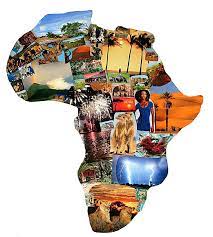
Ecological Harmony: Indigenous Stewardship of African Natural Heritage
Welcome Back.
Updated at: 2023-08-11 20:48:49 (2 years ago by Melkisedeck Leon Shine)
Ecological Harmony: Indigenous Stewardship of African Natural Heritage ๐๐ณ
As Africans, we are blessed with a rich and diverse natural heritage that is deeply intertwined with our culture and identity. Our ancestors understood the importance of preserving this precious gift, and their strategies of preservation have allowed us to thrive for centuries. Today, in the face of rapid globalization and modernization, it is more crucial than ever to embrace our indigenous stewardship practices to ensure the preservation of our African culture and heritage. ๐๐ณ
Here, we present to you 15 detailed strategies that will help us safeguard our culture and heritage for future generations:
1๏ธโฃ Embrace traditional knowledge: Our elders possess a wealth of wisdom and traditional knowledge about the land, flora, and fauna. Let us honor and learn from them to preserve our rich heritage.
2๏ธโฃ Practice sustainable agriculture: By employing agroecological methods, such as organic farming and permaculture, we can ensure the longevity of our traditional farming practices.
3๏ธโฃ Protect sacred sites: Many African communities have sacred sites that hold cultural and spiritual significance. Let us safeguard these places from exploitation and destruction.
4๏ธโฃ Promote traditional craftsmanship: Encourage the production and consumption of traditional crafts, such as pottery, basket weaving, and wood carving, to preserve our unique artistic traditions.
5๏ธโฃ Foster cultural education: Integrate traditional knowledge and practices into our formal education systems to ensure the transmission of our cultural heritage to future generations.
6๏ธโฃ Establish cultural heritage centers: Create community-run centers that serve as repositories of our history, traditions, and artifacts, allowing visitors to learn and appreciate our diverse cultures.
7๏ธโฃ Engage in eco-tourism: Showcase our natural heritage through responsible tourism, which not only generates income but also raises awareness about the importance of conservation.
8๏ธโฃ Strengthen cultural exchange programs: Facilitate cultural exchanges between different African countries to foster unity, understanding, and appreciation of our collective heritage.
9๏ธโฃ Invest in cultural preservation: Allocate resources to support initiatives that preserve and revitalize endangered cultural practices, such as traditional music, dance, and storytelling.
๐ Protect indigenous languages: Languages are the carriers of our cultural knowledge. Let us promote the use and preservation of indigenous languages to maintain our cultural diversity.
1๏ธโฃ1๏ธโฃ Advocate for local ownership: Ensure that the control and management of natural resources are in the hands of local communities, empowering them to make decisions that align with their cultural values and needs.
1๏ธโฃ2๏ธโฃ Involve youth in preservation efforts: Engage young people in cultural activities, encouraging them to learn about and actively participate in preserving our heritage.
1๏ธโฃ3๏ธโฃ Promote intergenerational dialogue: Foster communication and understanding between generations, allowing for the exchange of knowledge and values that will shape our future.
1๏ธโฃ4๏ธโฃ Support cultural heritage legislation: Advocate for the implementation and enforcement of laws that protect our cultural heritage, ensuring its preservation for future generations.
1๏ธโฃ5๏ธโฃ Foster regional cooperation: Collaborate with other African countries to share best practices and develop joint initiatives that can amplify our efforts in preserving our collective heritage.
As we embark on this journey to safeguard our African culture and heritage, let us remember the wise words of our great leaders:
"Culture is the bedrock of any nation and the cornerstone of its development." - Nelson Mandela ๐ฟ๐ฆ
"In order to preserve our heritage, we must come together as one people, united in our shared history and aspirations." - Kwame Nkrumah ๐ฌ๐ญ
Now, dear reader, it is up to us to develop the skills and knowledge necessary to implement these recommended strategies. Let us be the change we wish to see and ensure that our African culture and heritage continue to thrive for generations to come. Share this article with your friends and family, and join us in the journey towards preserving our African identity and forming the United States of Africa (Muungano wa Mataifa ya Afrika). Together, we can make it happen! ๐๐ณ๐ช #PreservingAfricanCulture #UnitedAfrica #HeritageMatters
Updated at: 2025-06-01 11:48:25 (9 months ago by Melkisedeck Leon Shine)
```htmlThis article explores strategies for preserving African cultural heritage, focusing on the application of relevant theories and models to ensure effective implementation. Key concepts include cultural preservation (the active safeguarding of cultural traditions, practices, and artifacts), sustainable development (development that meets the needs of the present without compromising the ability of future generations to meet their own needs), and cultural tourism (tourism that focuses on experiencing and learning about the culture of a destination).
The preservation of African cultural heritage is paramount for maintaining societal identity and fostering sustainable development. Applying the principles of diffusion of innovations, we can accelerate the adoption of sustainable building practices. By embracing traditional techniques using locally sourced materials like mud, thatch, and stone, we not only honor ancestral knowledge but also minimize environmental impact, aligning with principles of eco-tourism. This approach reduces reliance on unsustainable imported materials, promoting economic self-sufficiency within communities. The economic benefits of promoting local craftsmanship and materials are supported by the theory of comparative advantage, demonstrating the economic viability of cultural preservation.
Establishing cultural centers, guided by the principles of community development, acts as a crucial strategy. These centers should not only showcase art and artifacts but also serve as educational hubs, offering workshops and training programs that empower local communities. The establishment and effective management of these centers require a strong understanding of organizational behavior and effective leadership, ensuring long-term sustainability. Documenting oral histories through digital archiving โ a powerful application of digital humanities โ ensures the preservation of invaluable cultural knowledge for future generations. This is a core element of the UNESCO Memory of the World Programme's broader aims.
Promoting local art and crafts through targeted marketing campaigns, using insights from marketing management theories, creates sustainable livelihoods for artisans and promotes cultural heritage simultaneously. The integration of African history, traditions, and languages into educational curricula, grounded in the principles of cultural competency in education, fosters cultural identity and pride in future generations. This aligns with the concept of human capital development, emphasizing the importance of education for individual and societal growth.
Preserving historical sites, applying principles of heritage management, requires not only restoration but also sustainable tourism practices. Employing stakeholder analysis helps ensure the involvement of local communities in the preservation process. Moreover, cultural exchange programs, following models of international relations theory, promote understanding and collaboration among African nations, strengthening cultural bonds. This approach, aligned with principles of cultural diplomacy, can also drive economic growth through tourism.
The utilization of technology, drawing from concepts of digital preservation, allows for the dissemination of cultural heritage on a global scale. Social media platforms and online archives can reach wider audiences, fostering intercultural dialogue and understanding. Engaging youth through interactive initiatives leverages their creativity and ensures the continuity of cultural preservation efforts. This participatory approach aligns with the theory of social capital, emphasizing the strength of collective efforts in achieving common goals.
The preservation of African cultural heritage requires a multi-faceted approach integrating sustainable practices, community engagement, educational initiatives, and technological innovation. Recommendations include increased investment in cultural infrastructure, development of culturally sensitive tourism strategies, implementation of comprehensive digital archiving projects, and the creation of national strategies for cultural heritage management, informed by a thorough analysis of stakeholders and their needs (stakeholder theory). This approach is pivotal for building a sustainable future that recognizes the economic and social value of cultural heritage. Further research should focus on comparative studies across different African nations to identify best practices and challenges in cultural preservation, particularly focusing on the efficacy of different funding models and their impact on sustainable development. By effectively managing and preserving African cultural heritage, the continent can leverage its rich cultural assets to foster economic growth, build stronger communities, and create a vibrant, unified future.
Reader Pool: What innovative strategies, drawing upon interdisciplinary approaches, could further enhance the preservation and promotion of African cultural heritage in the face of globalization and technological advancements?
```
Updated at: 2025-05-13 12:32:06 (9 months ago by Melkisedeck Leon Shine)
African cuisine, a vibrant tapestry woven from diverse cultural threads, represents more than mere sustenance; it embodies a rich history, shared values, and deeply rooted traditions. This article explores strategies for preserving this invaluable culinary heritage, drawing upon anthropological and sociological perspectives to understand its significance and proposing actionable steps for its continued flourishing. Key concepts underpinning this analysis include cultural heritage (the shared legacy of knowledge, practices, and values transmitted across generations), gastronomic tourism (tourism focused on culinary experiences), and sustainable food systems (food production and consumption models that prioritize environmental and social responsibility).
1. Documentation and Revival of Traditional Recipes: Ethnographic research methodologies, including oral histories and archival research of historical cookbooks, are crucial for recovering and documenting recipes that risk being lost to time. This process engages with the concept of cultural memory, emphasizing the importance of preserving knowledge passed down through generations. The systematic documentation of these recipes, including ingredients, preparation methods, and associated cultural contexts, ensures their transmission to future generations. This can be achieved through digital platforms, community cookbooks, and collaborative projects.
2. Sustainable Sourcing and Local Food Systems: Supporting local farmers and producers fosters economic empowerment within communities while simultaneously safeguarding traditional agricultural practices. This aligns with the principles of sustainable food systems, promoting biodiversity, reducing environmental impact, and ensuring food security. By prioritizing locally sourced ingredients, we maintain the unique flavors and qualities integral to the authenticity of African cuisine.
3. The Role of Education and Skill Transfer: Formal and informal educational initiatives, such as culinary arts programs and community workshops, play a vital role in transmitting culinary knowledge and skills. This aligns with social learning theory, highlighting the importance of mentorship and hands-on training in preserving cultural practices. By empowering younger generations with culinary skills and fostering a deeper appreciation for their heritage, we secure the longevity of African cuisine.
4. Strategic Promotion and Cultural Exchange: Gastronomic tourism offers a powerful platform to showcase the diversity of African cuisine to a global audience. This approach utilizes principles of marketing and branding to highlight the unique aspects of African culinary traditions. Furthermore, fostering cultural exchanges between different regions of Africa facilitates the sharing of recipes, techniques, and culinary knowledge, fostering a sense of unity and shared heritage.
5. Leveraging Technology for Preservation and Dissemination: Digital platforms, including websites, social media channels, and online archives, provide modern tools for disseminating culinary knowledge and connecting culinary communities. This strategy utilizes the principles of digital humanities, applying technology to preserve and share cultural heritage. Online platforms allow for the creation of a vast repository of recipes, cooking techniques, and cultural stories, ensuring accessibility for a global audience.
6. Celebrating and Empowering African Culinary Professionals: Highlighting the achievements of African chefs and culinary entrepreneurs promotes their visibility and encourages others to pursue careers within the field. This strategic approach utilizes social capital theory, acknowledging the importance of social networks and mentorship in supporting success. By elevating the profile of African culinary professionals, we not only showcase their talents but also inspire the next generation of culinary innovators.
7. Advocacy for Policy and Institutional Support: Advocacy for policies that support sustainable food systems, protect traditional farming practices, and promote cultural heritage is crucial. This is in line with policy analysis, understanding how governmental and institutional frameworks impact cultural preservation efforts. By advocating for greater recognition of African cuisine on a national and international level, we create a more supportive environment for the preservation of its culinary heritage.
8. Preserving Indigenous Food Knowledge: Indigenous communities hold a wealth of knowledge about local ingredients, traditional cooking methods, and sustainable practices. By actively involving these communities in preservation efforts, we ensure the continued relevance and authenticity of their culinary traditions. This approach aligns with participatory research methodologies, placing emphasis on community involvement and empowerment.
Conclusions and Recommendations: Preserving African culinary heritage requires a multi-pronged approach that blends traditional methods with contemporary technologies and strategic collaborations. Systematic documentation, community engagement, education, and strategic marketing are critical elements for safeguarding this valuable asset. Future research should focus on the economic impact of culinary tourism, the effectiveness of different educational strategies, and the development of sustainable supply chains that support both local producers and global consumers. These combined actions not only safeguard African culinary heritage for future generations but also contribute to economic development, cultural pride, and the strengthening of community bonds.
Reader Pool: Considering the multifaceted nature of preserving culinary heritage, what strategies do you believe are most effective in fostering collaboration between local communities, national governments, and global organizations?
Updated at: 2025-06-12 10:02:17 (8 months ago by Melkisedeck Leon Shine)
Africa's architectural heritage, encompassing a diverse range of structures from ancient pyramids to vernacular dwellings, represents a significant repository of cultural identity and ingenuity. This built environment, however, faces considerable threats from rapid urbanization, socioeconomic pressures, and the relentless passage of time. A robust preservation strategy must adopt a multifaceted approach, informed by established preservation principles and contemporary best practices. This requires the integration of key concepts such as adaptive reuse (repurposing historical buildings for contemporary uses), stakeholder engagement (collaborative partnerships among communities, governments, and the private sector), and cultural resource management (a holistic approach to identifying, protecting, and managing cultural assets). This framework provides a comprehensive strategy for safeguarding this invaluable legacy, applying theories and models from various disciplines to ensure its long-term survival and cultural significance.
1. Establishing a Robust Legal and Regulatory Framework: A strong legal foundation is paramount for protecting architectural heritage. This involves enacting and enforcing legislation that prohibits unauthorized modifications and demolitions, clearly defines property rights, and establishes effective enforcement mechanisms. Furthermore, integration of heritage preservation into national planning policies and urban development frameworks, in accordance with international conventions like the UNESCO World Heritage Convention, is crucial for sustained protection. This aligns with principles of legal positivism, ensuring that the law reflects societal values and prioritizes heritage preservation. The application of land use planning theories ensures responsible and sustainable development that respects cultural heritage.
2. Comprehensive Documentation and Digital Archiving: Thorough documentation forms the cornerstone of any effective preservation initiative. This involves meticulous photographic surveys, detailed architectural drawings, and the creation of precise 3D models using technologies like LiDAR and photogrammetry. These digital records, adhering to archival science principles and ICOMOS standards for heritage asset assessment, facilitate informed decision-making during restoration and management. The application of information management best practices ensures the accessibility, integrity, and long-term preservation of this vital data.
3. Evidence-Based Conservation and Restoration: Conservation and restoration must adhere to strict ethical guidelines and best practices, prioritizing minimum intervention and reversibility. This necessitates a skilled workforce proficient in both traditional building techniques and modern conservation methods, guided by scientific analysis for material selection and restoration processes. The development of a conservation charter specific to the diverse contexts within Africa ensures culturally sensitive and scientifically informed practices, aligning with principles of sustainable heritage management.
4. Community Participation and Empowerment: Local communities are indispensable partners. Their traditional knowledge, custodianship, and sense of ownership are vital for long-term preservation. A participatory approach, drawing upon principles of community-based natural resource management (CBNRM) and social impact assessment, ensures projects are aligned with local values and are sustainable. Empowerment programs focused on skills development and economic opportunities, such as heritage tourism, foster a sense of responsibility and pride, leveraging concepts from community development and participatory action research.
5. Strategic Adaptive Reuse and Sustainable Tourism: Adaptive reuse of historical buildings for contemporary purposes (museums, community centers, eco-lodges) ensures their continued relevance and economic viability. This strategy, based on sustainable development principles, prioritizes minimal intervention while upholding historical integrity. Developing responsible tourism strategies, aligned with UNWTO guidelines, mitigates negative impacts while providing economic incentives for preservation and creating employment opportunities, thus creating a sustainable tourism model.
6. Capacity Building and Training: Investing in tailored training programs for architects, conservators, artisans, and community members is crucial for long-term sustainability. This requires specialized curricula that integrate traditional knowledge with modern conservation techniques and emphasize ethical preservation practices, incorporating principles of human capital development and skills transfer.
7. Public Awareness and Educational Initiatives: Public awareness campaigns targeting diverse audiences (schools, community groups) are essential for fostering appreciation and responsibility. These initiatives build support for conservation efforts and promote responsible citizenship, employing principles of public education and community engagement to drive behavior change.
8. Fostering Regional and International Collaboration: Collaboration with organizations like UNESCO and ICOMOS facilitates knowledge exchange, best practice sharing, and resource mobilization. This network supports capacity building, secures funding, and promotes cross-border initiatives, leveraging principles of international cooperation and knowledge sharing.
9. Leveraging Technology for Preservation and Dissemination: Technology plays a pivotal role in documentation, monitoring, and virtual experiences. Digital technologies (3D modeling, GIS mapping, virtual tours, augmented reality) enhance educational opportunities, provide remote access to heritage assets, and assist in conservation planning. This aligns with best practices in digital heritage management and digital archiving.
10. Public-Private Partnerships and Sustainable Funding: Public-private partnerships (PPPs) leverage resources and expertise from both sectors, creating sustainable funding mechanisms. Long-term investment and incentive models, while ensuring transparency and accountability, are crucial for financial sustainability. These partnerships utilize principles of collaborative governance and stakeholder engagement in resource mobilization.
11. Promoting Pan-African Collaboration and Knowledge Sharing: Collaboration among African nations is vital for a shared understanding of challenges and solutions. This involves knowledge and resource exchange through conferences, workshops, and research collaborations, promoting regional best practices and collaborative conservation efforts, leveraging the principles of South-South cooperation and knowledge exchange.
12. Integrating Heritage Preservation into Development Planning: Integrating heritage preservation into national development plans ensures conservation is not an isolated activity but an integral part of broader national priorities. This aligns heritage preservation goals with sustainable development objectives, embedding them into national policies and planning processes. This reflects principles of integrated development planning and aligns with Sustainable Development Goals.
13. Youth Engagement and Intergenerational Knowledge Transfer: Engaging youth in heritage preservation promotes intergenerational knowledge transfer, ensuring the continuity of traditional skills. Educational programs, apprenticeships, and volunteer opportunities foster engagement and ownership, leveraging concepts from youth development and participatory learning.
The preservation of Africa's architectural heritage is crucial for safeguarding cultural identity, fostering economic growth, and promoting sustainable community development. A holistic strategy encompassing comprehensive documentation, ethical conservation, community engagement, and strategic partnerships is essential. Future research should focus on developing culturally sensitive and financially sustainable adaptive reuse models, exploring innovative conservation technologies, and strengthening regional networks for knowledge exchange and capacity building. Successful implementation requires strong political will, substantial investment, and unwavering commitment from all stakeholders. A robust evaluation framework, employing a mixed-methods approach that combines quantitative data analysis with qualitative assessments, is vital to measure the effectiveness of implemented strategies and inform future actions. The ultimate goal is to ensure the long-term preservation of this invaluable legacy while promoting sustainable development and fostering a strong sense of cultural pride within communities.
Reader Pool: Considering the multifaceted challenges and opportunities in preserving Africa's architectural heritage, what innovative approaches can we adopt to balance economic development with cultural preservation, ensuring equitable access to resources and benefits for all stakeholders?
Updated at: 2025-02-20 04:38:27 (1 year ago by Melkisedeck Leon Shine)
```htmlThe vibrant tapestry of African culture, rich in history, tradition, and artistic expression, transcends geographical boundaries. As inheritors of this invaluable legacy, we bear the responsibility of preserving and celebrating it for generations to come. This article explores multifaceted strategies for safeguarding our shared heritage, ultimately fostering Pan-African unity and advancing the vision of a "United States of Africa" (Muungano wa Mataifa ya Afrika).
Education: Nurturing Cultural Roots
The cornerstone of cultural preservation lies in education. By instilling a deep appreciation for their African heritage in children from a young age, we empower them to become active custodians of their cultural identity. This includes comprehensive education on history, traditions, languages, and artistic expressions, fostering a strong sense of belonging and pride.
Safeguarding Cultural Treasures: Institutions and Archives
Strategic investment in cultural institutionsโmuseums, galleries, libraries, and digital archivesโis crucial. These spaces serve as repositories of our cultural artifacts, historical documents, and oral traditions, ensuring accessibility for all and fostering a deeper connection with our shared past. Digital archiving, in particular, offers unparalleled opportunities to safeguard and disseminate cultural heritage globally.
The Power of Voice: Preserving Oral Traditions
African oral traditionsโstories, songs, proverbs, and historical accountsโrepresent invaluable repositories of knowledge and cultural memory. Systematic documentation and preservation efforts are paramount to prevent the erosion of these vital narratives and ensure their continuity for future generations.
Language: The Heartbeat of Culture
Language forms the very foundation of cultural identity. Active promotion and preservation of African languages in education, media, and everyday life are essential to maintaining linguistic diversity and preventing language loss. Supporting multilingualism strengthens cultural richness and promotes intercultural understanding.
Cultural Exchange: Bridges of Unity
Facilitating cultural exchanges between African nations fosters a sense of shared identity and mutual respect. These exchangesโartistic collaborations, educational programs, and cultural festivalsโprovide platforms for the sharing of customs, traditions, and artistic practices, strengthening bonds of unity and cooperation.
Community Engagement: Collective Ownership
Active community participation in cultural events and festivals is vital. These initiatives not only celebrate our heritage but also build stronger social bonds, reinforce the importance of cultural preservation, and foster a sense of collective ownership.
Sustaining Artistic Traditions: Supporting Local Artisans
The preservation of traditional arts and crafts is crucial for maintaining cultural continuity. Supporting local artisans, promoting their skills, and ensuring the transmission of traditional techniques to younger generations are essential for safeguarding this invaluable aspect of African heritage.
Cultural Tourism: Economic Empowerment and Heritage Appreciation
Developing responsible and sustainable cultural tourism can generate significant economic benefits while raising global awareness and appreciation for African heritage. This approach empowers local communities, promotes cultural preservation initiatives, and strengthens the economic viability of cultural sites.
Protecting Heritage Sites: Guardians of History
The protection and preservation of historical sitesโancient cities, sacred grounds, and significant landmarksโare critical. These sites serve as tangible reminders of our shared past and require careful management and conservation efforts to safeguard them for future generations.
Engaging the Youth: The Future of Our Heritage
Actively engaging young people in cultural preservation activities fosters a sense of ownership and pride in their heritage. Involving them in initiatives that promote and celebrate their cultural identity ensures the long-term sustainability of preservation efforts.
Bridging the Diaspora: Strengthening Global Connections
Collaborating with African diaspora communities around the world strengthens cultural ties and promotes a shared sense of identity. These collaborations enrich our understanding of African culture, facilitate the exchange of ideas, and expand the reach of preservation initiatives.
Governmental Role: Policy and Resource Allocation
Governments play a vital role in cultural preservation through policy development and resource allocation. Prioritizing cultural heritage in national strategies, providing funding for preservation projects, and enacting legislation to protect cultural sites are essential for achieving long-term sustainability.
Cultural Diplomacy: Building Bridges Through Shared Heritage
Culture serves as a powerful tool for diplomacy, fostering mutual understanding and cooperation between African nations. Utilizing cultural exchange programs, collaborative artistic projects, and shared heritage initiatives can promote peace, understanding, and unity.
Empowerment Through Knowledge: Cultivating Expertise
Investing in the development of skills and expertise in cultural preservation empowers individuals and strengthens the capacity of communities to safeguard their heritage. Supporting training programs, educational initiatives, and research projects ensures the continuity of preservation efforts.
As Nelson Mandela eloquently stated, "A people without the knowledge of their past history, origin, and culture is like a tree without roots." Let us nurture our roots, unite in our shared heritage, and strive towards the realization of a "United States of Africa" (Muungano wa Mataifa ya Afrika). By embracing our collective responsibility, we can safeguard our rich cultural legacy and ensure its flourishing for generations to come. Let us embark on this journey together, preserving our heritage and building a stronger, more unified Africa.
Let us actively engage in these strategies, share this vision, and inspire others to join this vital cause. Together, we can ensure that the enduring legacy of African culture continues to inspire and enrich the world. #AfricanHeritage #PreserveOurCulture #UnitedStatesOfAfrica #MuunganoWaMataifaYaAfrika
```

Updated at: 2025-07-12 09:33:36 (7 months ago by Melkisedeck Leon Shine)
This article delves into the essential role of food in conserving and advancing African cultural heritage. We will begin by defining crucial concepts and subsequently explore practical strategies for safeguarding this invaluable legacy. Cultural continuity is the sustained transmission of cultural practices, beliefs, and values across generations, ensuring that the essence of a culture persists through time. Culinary heritage encompasses the unique food traditions, ingredients, techniques, and knowledge systems that are specific to a particular culture or region. From an anthropological perspective, food is viewed as a significant cultural marker, reflecting societal values, social structures, and environmental adaptations. By adopting this lens, we can understand how efforts to preserve food traditions contribute to the broader endeavor of cultural preservation, recognizing that food is not just sustenance but a powerful symbol of identity and community.
The preservation of African culinary heritage is not merely about sustaining life; it's a crucial element in maintaining cultural identity and promoting a sense of collective belonging. This requires a multi-faceted strategy that integrates different approaches to guarantee the long-term survival of these valuable traditions. The application of the Technology Acceptance Model (TAM), which helps us understand how technology can be effectively integrated into traditional food practices, addresses concerns such as ease of use and perceived usefulness, both of which influence adoption. Moreover, Social Cognitive Theory underscores the importance of social learning and modeling within communities, highlighting how collaborative efforts and community engagement can be fostered to disseminate and preserve culinary practices. Furthermore, the concept of cultural capital, as outlined by Pierre Bourdieu, emphasizes how the knowledge, skills, and social connections associated with culinary traditions represent a valuable form of social and economic capital, reinforcing the importance of preserving and transmitting this capital across generations.
Conclusions and Recommendations: The preservation of African culinary heritage is intrinsically linked to broader cultural continuity, economic development, and community empowerment. A multi-faceted approach encompassing documentation, sustainable practices, community engagement, and leveraging tourism potential is crucial. Furthermore, the effective utilization of digital technologies can amplify the reach and impact of these efforts. Building on the principles of *systems thinking*, it's essential to recognize the interconnectedness of various factors influencing culinary heritage, including agricultural practices, economic policies, educational programs, and cultural norms. This holistic perspective allows for the development of comprehensive strategies that address the root causes of challenges and promote sustainable solutions.
Future research should focus on the impact of globalization on traditional food systems, the development of sustainable culinary tourism models, and the effective integration of digital technologies in cultural preservation efforts. Specifically, research could explore the use of *blockchain technology* to ensure the traceability and authenticity of indigenous ingredients, thereby supporting fair trade practices and protecting the intellectual property rights of local communities. Additionally, studies could investigate the effectiveness of different educational interventions aimed at promoting traditional food knowledge among younger generations, considering factors such as cultural context, learning styles, and technological literacy. The adoption of these strategies will not only safeguard a rich cultural legacy but also contribute to economic development and community empowerment. The success of these initiatives hinges upon collaborative efforts between governments, communities, and the culinary sector. A unified effort to protect this heritage will ensure that future generations can enjoy and appreciate the diverse flavors and cultural significance of African cuisine. Leveraging the principles of *strategic management* is critical in aligning diverse initiatives with overarching goals, ensuring that efforts are coordinated, resources are used efficiently, and outcomes are continuously monitored and evaluated.
Reader Pool: Considering the increasing urbanization and changing lifestyles in Africa, how can we ensure that the preservation of culinary heritage remains relevant and appealing to younger generations, and what role can technology play in bridging the gap between tradition and modernity?
Updated at: 2025-05-15 11:56:12 (9 months ago by Melkisedeck Leon Shine)
African cultural heritage, encompassing traditions, languages, art forms, and rituals, constitutes a fundamental aspect of the continent's identity. This heritage is not merely a collection of artifacts; it represents a dynamic system of knowledge transmission, social cohesion, and economic development. Understanding and effectively preserving this heritage requires a multi-faceted approach, drawing upon concepts from various fields such as anthropology (cultural transmission theory), sociology (social capital theory), and economics (sustainable development principles). This article will explore fifteen key strategies for cultural preservation, emphasizing the crucial role of community engagement.
Conclusions and Recommendations: Preserving African cultural heritage is not merely a nostalgic endeavor; it is a vital process for sustainable development and social cohesion. A community-based approach, informed by relevant theories and models from various disciplines, is crucial for the effective safeguarding of this rich heritage. Future research should focus on measuring the impact of these strategies on community wellbeing and developing innovative strategies for addressing the challenges posed by globalization and technological change. Furthermore, strengthening international collaborations and supporting local communities financially and logistically is essential for the long-term success of cultural preservation initiatives. The establishment of a pan-African network for cultural preservation, facilitating information sharing and resource mobilization, would significantly enhance efforts to protect and promote African cultural heritage. Effective policy interventions by governments are needed to ensure adequate funding, legal protection, and awareness-raising programs.
Reader Pool: What are the most effective strategies for ensuring the long-term sustainability of community-based cultural preservation initiatives in the face of rapid societal change?
Updated at: 2023-08-11 21:24:28 (2 years ago by Melkisedeck Leon Shine)
Preserving Cultural Landmarks: The Role of Architecture in Africa ๐
Africa, the cradle of civilization, is a continent rich in cultural heritage and landmarks that deserve our utmost protection and preservation. From the pyramids of Egypt to the rock-hewn churches of Lalibela in Ethiopia, these architectural treasures are a testament to the ingenuity and creativity of our ancestors. As Africans, it is our responsibility to ensure that our cultural landmarks continue to stand strong for future generations.
To successfully preserve our cultural heritage, we must employ effective strategies that respect and celebrate our diverse African cultures. Here are 15 detailed points on how we can achieve this:
1๏ธโฃ Raise awareness: Educate our fellow Africans about the importance of preserving cultural landmarks and the role they play in defining our identity.
2๏ธโฃ Develop preservation plans: Create comprehensive plans that outline the necessary steps for the preservation and maintenance of cultural landmarks.
3๏ธโฃ Establish preservation organizations: Set up organizations dedicated to the protection and restoration of our cultural heritage, with the involvement of local communities.
4๏ธโฃ Document and archive: Collect and document oral histories, photographs, and artifacts associated with cultural landmarks, ensuring that they are well-preserved and accessible for future generations.
5๏ธโฃ Foster international collaborations: Collaborate with international organizations and experts to exchange knowledge and expertise in preserving cultural landmarks.
6๏ธโฃ Promote sustainable tourism: Encourage responsible tourism that respects the cultural significance of landmarks, while providing economic benefits to local communities.
7๏ธโฃ Integrate traditional architectural practices: Incorporate traditional design elements and materials into new architectural projects to ensure the continuity of African architectural heritage.
8๏ธโฃ Sensitize the youth: Develop educational programs that promote pride and appreciation for our cultural landmarks among the younger generation.
9๏ธโฃ Empower local communities: Involve local communities in the decision-making and management processes of cultural landmarks, allowing them to take ownership and responsibility.
๐ Invest in research and innovation: Support research and innovation in architectural conservation techniques, ensuring that our cultural landmarks are preserved using the most effective methods.
1๏ธโฃ1๏ธโฃ Foster intergenerational knowledge transfer: Encourage the passing down of traditional building techniques and craftsmanship from older generations to younger ones, preserving these skills for the future.
1๏ธโฃ2๏ธโฃ Strengthen legal frameworks: Advocate for legislation that protects cultural landmarks from encroachment, destruction, or inappropriate alterations.
1๏ธโฃ3๏ธโฃ Promote local craftsmanship: Support local artisans and craftsmen who have the expertise to restore and maintain cultural landmarks.
1๏ธโฃ4๏ธโฃ Celebrate cultural festivals and events: Organize festivals and events that highlight the importance of our cultural landmarks, fostering a sense of pride and unity among Africans.
1๏ธโฃ5๏ธโฃ Develop partnerships with other African countries: Share best practices and collaborate with other African nations in the preservation of cultural landmarks, promoting unity and mutual support.
As Nelson Mandela once said, "Our rich and varied cultural heritage has a profound power to help build our nation." Let us unite as Africans and take pride in preserving our cultural landmarks, for they are the threads that connect us to our past and guide us towards a brighter future.
Now, I ask you, my fellow Africans, what steps can you take to preserve our cultural heritage? How can you contribute to creating a united Africa, where our cultural landmarks are celebrated and protected? Share your thoughts and let's start a conversation.
For more information on recommended strategies for the preservation of African culture and heritage, visit our website and join the movement to protect and celebrate our African identity. Together, we can build "The United States of Africa" (Muungano wa Mataifa ya Afrika) and create a future where our heritage thrives and inspires. ๐๐ #PreserveOurCulture #AfricanUnity #UnitedAfrica #HeritageProtection
Updated at: 2023-08-11 20:57:30 (2 years ago by Melkisedeck Leon Shine)
Environmental Wisdom: Indigenous Practices for African Natural Heritage ๐
As Africans, we are guardians of a rich and diverse natural heritage. Our continent is blessed with abundant resources, breathtaking landscapes, and a tapestry of cultures that have withstood the test of time. It is our duty to preserve and protect this legacy for future generations. In this article, we will explore strategies for the preservation of African culture and heritage, drawing from our indigenous practices and wisdom. So, let us embark on this journey together, to build a united and prosperous Africa, where our cultural heritage thrives. ๐๐ฑ
Embracing Traditional Knowledge ๐ฟ Our ancestors possessed a deep understanding of the natural world. They lived in harmony with nature, utilizing sustainable practices. Let us embrace their wisdom and incorporate traditional knowledge into modern conservation efforts.
Promoting Sustainable Agriculture ๐ฝ Agriculture has been the backbone of African civilizations for centuries. By adopting sustainable farming practices, such as organic agriculture and agroforestry, we can protect our soil, water, and biodiversity while ensuring food security.
Supporting Community-Based Conservation ๐ค Communities have been the custodians of our natural heritage since time immemorial. By empowering local communities to take charge of conservation initiatives, we can ensure the sustainable management of our protected areas.
Reviving Indigenous Languages and Traditions ๐ฃ๏ธ๐ถ Language is the vessel that carries our culture. Let us revive and celebrate our indigenous languages, as they hold the key to our heritage. By preserving our oral traditions, music, and dances, we can pass on our cultural wisdom to future generations.
Protecting Sacred Sites and Rituals ๐ Across Africa, sacred sites hold deep cultural significance. These spaces are not only places of worship but also repositories of traditional knowledge. Let us protect these sites and rituals, allowing them to flourish as living expressions of our heritage.
Promoting Eco-Tourism ๐บ๏ธ๐ Tourism can be a powerful tool for conservation and economic development. By promoting sustainable and community-based eco-tourism initiatives, we can showcase the beauty of our natural heritage while generating income for local communities.
Strengthening Environmental Education ๐๐ฑ Knowledge is the key to change. By integrating environmental education into our school curricula and community programs, we can raise awareness about the importance of preserving our cultural heritage and inspire future generations to become environmental stewards.
Investing in Renewable Energy ๐กโ๏ธ Africa is blessed with abundant renewable energy resources, from solar and wind to hydroelectric power. By investing in clean and sustainable energy, we can reduce our carbon footprint and contribute to global efforts to combat climate change.
Fostering Cross-Border Collaboration ๐ค๐ Our strength lies in our unity. Let us foster collaboration among African nations to share best practices and resources in preserving our cultural heritage. Through initiatives like the African Union and the Pan-African Parliament, we can work towards the realization of the United States of Africa (Muungano wa Mataifa ya Afrika).
Embracing Digital Technologies ๐ฒ๐ป In the age of technology, let us harness its power to preserve our cultural heritage. Digital platforms can serve as repositories of knowledge, allowing us to document and share our traditions with the world.
Building Sustainable Infrastructure ๐๏ธ๐ As we develop our nations, let us prioritize sustainable infrastructure that minimizes our impact on the environment. From green building practices to efficient transportation systems, we can build a future where our cultural heritage and natural resources thrive hand in hand.
Learning from Global Success Stories ๐โจ While we draw inspiration from our own indigenous practices, it is equally important to learn from successful conservation efforts around the world. By studying examples from countries like Costa Rica, Bhutan, and New Zealand, we can adapt their strategies to suit our unique African context.
Celebrating African Achievements ๐๐ช Africa has a rich history of great leaders and visionaries who championed the preservation of culture and heritage. As we strive for African unity, let us celebrate the achievements of leaders like Kwame Nkrumah, Nelson Mandela, and Wangari Maathai, who believed in the power of our collective heritage.
Encouraging Active Citizen Engagement ๐๐ Preserving our culture and heritage is not the sole responsibility of governments or organizations. Each one of us has a role to play. Let us engage actively in community initiatives, volunteer for conservation projects, and support local artisans who keep our traditions alive.
Developing Skills for Preservation ๐๐ To truly make a difference, we must equip ourselves with the knowledge and skills necessary for the preservation of our cultural heritage. Let us seek out training programs, workshops, and courses that focus on heritage conservation, ensuring a sustainable future for Africa.
In conclusion, my fellow Africans, we have the power to preserve and protect our cultural heritage. By embracing our traditional wisdom, fostering unity, and adopting sustainable practices, we can build a future where Africa's natural heritage thrives. Let us join hands and work towards the realization of the United States of Africa (Muungano wa Mataifa ya Afrika), where our traditions and cultures are celebrated and preserved for generations to come. Share this article, inspire others, and together, let us shape a brighter future for Africa. ๐โจ
Updated at: 2023-08-11 20:48:58 (2 years ago by Melkisedeck Leon Shine)
Ecoliteracy and Sustainability: Lessons from African Natural Heritage ๐
As Africans, we are blessed with a rich and diverse cultural heritage that spans across our continent. Our traditions, languages, music, and art are all part of what makes us unique. It is essential that we take proactive steps to preserve and protect our African culture and heritage for future generations. In this article, we will explore strategies and lessons from African natural heritage that can guide us in our mission to safeguard our cultural identity.
1๏ธโฃ Embrace Traditional Knowledge: Our ancestors possessed a deep understanding of the natural world. By valuing and preserving their wisdom, we can learn sustainable practices and traditional ways of living in harmony with nature.
2๏ธโฃ Educate the Youth: It is crucial to educate our children about the importance of our cultural heritage. By teaching them our traditions, languages, and customs, we ensure that our heritage is passed down through generations.
3๏ธโฃ Protect Sacred Sites: Many African countries are home to sacred sites that hold immense cultural and historical significance. These sites must be protected from destruction and desecration to preserve our cultural identity.
4๏ธโฃ Promote Cultural Tourism: By showcasing our cultural heritage to the world, we not only create economic opportunities but also raise awareness and appreciation for our traditions. This can be done through festivals, museums, and cultural exchange programs.
5๏ธโฃ Support Local Artisans: Traditional craftsmanship is a vital part of our cultural heritage. By supporting local artisans and their traditional crafts, we can ensure the continuation of these skills and preserve our cultural identity.
6๏ธโฃ Establish Cultural Centers: Creating cultural centers that serve as hubs for the preservation and celebration of our heritage can be instrumental in promoting awareness and engagement within our communities.
7๏ธโฃ Collaborate with International Organizations: African countries can forge partnerships with international organizations that specialize in cultural preservation. Sharing knowledge and resources can enhance our efforts to safeguard our heritage.
8๏ธโฃ Foster Intergenerational Dialogue: Encouraging dialogue between the older and younger generations allows for the transfer of knowledge and ensures that our traditions and values are not lost.
9๏ธโฃ Restore and Preserve Historical Sites: Many African countries have historical sites in need of restoration. By investing in their preservation, we can protect our heritage and attract visitors who seek to learn about our history.
๐ Promote Sustainable Practices: Our cultural heritage is closely intertwined with the natural environment. By adopting sustainable practices such as responsible agriculture and eco-friendly tourism, we can protect both our cultural and natural heritage.
1๏ธโฃ1๏ธโฃ Engage Indigenous Communities: Indigenous communities often hold the key to preserving our cultural heritage. By involving them in decision-making processes and respecting their knowledge, we can ensure their continued contribution to our cultural identity.
1๏ธโฃ2๏ธโฃ Embrace Technology: Technology can be a powerful tool for preserving and promoting our cultural heritage. From digital archives to virtual reality experiences, we can leverage technology to make our traditions accessible to a wider audience.
1๏ธโฃ3๏ธโฃ Promote Cultural Exchange: By fostering cultural exchange programs within Africa and with other parts of the world, we can celebrate our diversity and strengthen our bonds as Africans.
1๏ธโฃ4๏ธโฃ Advocate for Policy Changes: It is essential to advocate for policies that protect and promote our cultural heritage. This includes legislation on cultural preservation, funding for cultural initiatives, and the inclusion of cultural education in school curricula.
1๏ธโฃ5๏ธโฃ Embrace African Unity: Our strength lies in our unity. By coming together as Africans and supporting initiatives such as the Muungano wa Mataifa ya Afrika (The United States of Africa), we can create a collective voice to protect and promote our cultural heritage.
In conclusion, the preservation of African culture and heritage is a responsibility that lies with each and every one of us. By embracing traditional knowledge, educating the youth, protecting sacred sites, and collaborating with international organizations, we can ensure that our cultural heritage thrives for generations to come. Let us rise together, celebrate our diversity, and work towards the formation of the Muungano wa Mataifa ya Afrika (The United States of Africa). Together, we can preserve our unique African identity! ๐๐