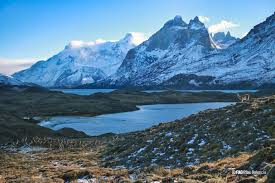
Mangrove Ecosystems and Coastal Resilience in South America: Mitigating Climate Impacts
Welcome Back.
Updated at: 2023-08-27 10:21:01 (2 years ago by Melkisedeck Leon Shine)
Title: Mangrove Ecosystems and Coastal Resilience in South America: Mitigating Climate Impacts
Introduction:
The Importance of Mangrove Ecosystems:
Climate Change Threats in North and South America:
Mitigating Climate Impacts through Mangrove Conservation:
South American Success Stories:
Conclusion:
Are you ready to join the movement and protect our coastal regions? Share this article and let's inspire others to take action! #MangroveConservation #CoastalResilience #ClimateAction #NorthAndSouthAmericaUnity
Updated at: 2025-06-22 10:01:12 (6 months ago by Melkisedeck Leon Shine)
Introduction: This article analyzes the escalating phenomenon of urban heat islands (UHIs) in North and South American cities, examining their multifaceted impacts on climate, environment, and public health. We will define key concepts, explore the underlying mechanisms driving UHIs, and propose evidence-based mitigation strategies emphasizing collaborative action and community engagement. Central to our discussion are the concepts of surface energy balance, albedo, and the urban canyon effect. Surface energy balance refers to the equilibrium between incoming and outgoing energy fluxes at the Earth's surface, impacting surface temperature. Albedo represents the reflectivity of a surface, influencing the absorption of solar radiation. The urban canyon effect describes the heat trapping within city streets due to building geometry and reduced airflow.
Understanding Urban Heat Island Dynamics: UHIs manifest as significantly elevated temperatures within urban areas compared to surrounding rural environments. This temperature anomaly arises from anthropogenic modifications to the land surface. The reduced albedo of impervious surfacesโsuch as concrete and asphaltโleads to increased solar radiation absorption and elevated surface temperatures. Concurrently, the urban canyon effect, characterized by the confinement of air within street canyons formed by tall buildings, restricts air circulation and exacerbates heat accumulation. This process is further intensified by the reduced evapotranspiration from diminished vegetation and the release of waste heat from various human activities, including transportation, industrial processes, and building HVAC systems. These interactions can be modeled using urban climate models which incorporate various contributing factors, leading to more accurate predictions of UHI intensity.
Environmental and Climate Change Impacts: The repercussions of UHIs extend beyond increased temperatures. They directly contribute to increased energy consumption for cooling, amplified air pollution, and severe public health consequences. The heightened energy demand for cooling intensifies greenhouse gas emissions, thus exacerbating climate change through a positive feedback loop. This can be demonstrated via energy consumption models, linking temperature increases to energy demand for air conditioning. Simultaneously, UHIs negatively impact air quality by trapping pollutants, resulting in poorer air quality and a heightened risk of respiratory illnesses. These effects are particularly pronounced during heat waves, leading to increased morbidity and mortality, disproportionately impacting vulnerable populations. These relationships can be modeled using air quality dispersion models, which demonstrate the effects of urban canyons on pollutant concentration.
Public Health Consequences of UHIs: The public health burden associated with UHIs is substantial and necessitates immediate attention. Elevated temperatures significantly increase the risk of heatstroke, cardiovascular diseases, and respiratory illnesses. Vulnerable populations, including the elderly, children, and individuals with pre-existing health conditions, are particularly susceptible to heat-related morbidity and mortality. Epidemiological studies clearly demonstrate a strong correlation between UHI intensity and heat-related mortality rates. Consequently, comprehending and mitigating the UHI effect is paramount for effective public health management and efficient resource allocation. This correlation can be examined using epidemiological studies and statistical analyses to determine relationships between UHI intensity and various health outcomes.
Mitigation Strategies: A Holistic Approach: Effectively addressing the challenges posed by UHIs necessitates a comprehensive, multifaceted approach integrating urban planning, building design, and robust community engagement. These strategies are founded on principles of sustainable urban development and climate change adaptation.
a. Green Infrastructure Deployment: The strategic implementation of green infrastructure, including urban forests, green roofs, and permeable pavements, can substantially reduce the UHI effect by increasing evapotranspiration and providing shade. This approach leverages ecological principles, highlighting vegetation's role in moderating urban microclimates. The impact of green infrastructure can be quantitatively assessed using various models that simulate evapotranspiration and energy fluxes.
b. Cool Surface Materials: The widespread adoption of cool roofing materials with high albedo and cool pavements, designed to reflect solar radiation, is crucial for lowering surface temperatures. This directly minimizes heat absorption by urban surfaces, thereby reducing ambient air temperatures. The effectiveness of cool surfaces can be evaluated through thermal imaging and surface temperature measurements.
c. Sustainable Urban Design Principles: Urban design principles emphasizing compact development, mixed-use zoning, and strategically planned building placement can optimize airflow and shade, minimizing heat accumulation in urban canyons. This involves applying principles of urban morphology to create environments that promote natural ventilation and minimize solar radiation exposure. Computational fluid dynamics (CFD) models can simulate airflow patterns and assess the effectiveness of different urban design strategies.
d. Sustainable Transportation Systems: Promoting active transportation (walking and cycling) and robust public transit systems reduces vehicle emissions of heat, thereby mitigating the UHI effect. Transportation demand management strategies and investments in efficient public transportation systems significantly contribute to lowering urban heat island intensity. These strategies lessen reliance on private vehicles, mitigating both heat and air pollution.
Pan-American Collaboration for UHI Mitigation: Effectively addressing UHIs requires collaborative efforts among cities across North and South America. Sharing best practices, research findings, and technological innovations through international networks is crucial for fostering a sustainable future for all urban areas. This collaborative approach will facilitate knowledge transfer and expertise sharing, promoting the adoption of efficient and cost-effective mitigation strategies.
Community Engagement and Education: Public awareness of UHI impacts and community participation in mitigation efforts are paramount. Educational programs, community-based initiatives, and citizen science projects foster collective responsibility and promote sustainable practices at individual and community levels. This engagement is crucial for building lasting support and ensuring the long-term success of mitigation strategies.
Conclusion and Recommendations: The impacts of UHIs on urban environments are profound and far-reaching, demanding a comprehensive, multi-pronged approach integrating urban planning, building design, transportation strategies, and robust community engagement. Future research should focus on refining existing models, developing innovative technologies, and comprehensively assessing the long-term efficacy of various mitigation strategies. Continuous monitoring and evaluation are essential for adapting to evolving climatic conditions and ensuring sustainable urban environments throughout the Americas. International cooperation, knowledge sharing, and active community participation are vital for achieving a more sustainable and resilient urban future. A shift towards policy-driven integrated urban planning that prioritizes climate resilience is crucial for minimizing UHI effects and promoting sustainable urban development. This requires a multi-stakeholder approach encompassing government agencies, urban planners, researchers, and community members.
Reader Pool: Considering the complex interplay of factors contributing to urban heat islands, what innovative policy mechanisms can incentivize the widespread adoption of UHI mitigation strategies in cities across the Americas?
Updated at: 2023-08-27 10:20:17 (2 years ago by Melkisedeck Leon Shine)
Sustainable Tourism in South American Ecotourism Destinations: Balancing Growth and Preservation
As the world becomes increasingly aware of the importance of environmental conservation, South American ecotourism destinations have emerged as key players in sustainable tourism. With their diverse natural landscapes and rich biodiversity, these destinations offer a unique opportunity to experience the wonders of nature while also contributing to their preservation. In this article, we will explore the contemporary issues in climate and environment in North and South America, and discuss how sustainable tourism can help address these challenges, promote unity, and inspire individuals to take action.
Climate Change: The impacts of climate change are being felt across the Americas, from melting glaciers in the Andes to rising sea levels along the coasts. Sustainable tourism practices such as promoting low-carbon transportation and energy-efficient accommodations can help reduce carbon emissions and mitigate the effects of climate change.
Deforestation: The Amazon rainforest, often referred to as the "lungs of the Earth," is under threat due to deforestation for agriculture and logging. By supporting ecotourism initiatives that prioritize forest conservation and sustainable resource management, travelers can contribute to the preservation of this vital ecosystem.
Biodiversity Loss: South America is home to some of the most biodiverse regions on the planet, but habitat destruction and wildlife trafficking pose significant threats to this rich heritage. By visiting protected areas and supporting local conservation projects, tourists can help protect endangered species and promote biodiversity conservation.
Water Scarcity: Many parts of North and South America are facing water scarcity issues, exacerbated by climate change and increasing demand. Sustainable tourism practices such as water conservation measures in hotels and responsible water usage by tourists can help alleviate this problem.
Waste Management: The growing tourism industry generates a significant amount of waste, putting immense pressure on local infrastructure and ecosystems. Travelers can make a difference by practicing responsible waste management, such as recycling and reducing plastic consumption, and supporting hotels and tour operators that prioritize sustainable waste practices.
Indigenous Rights: Indigenous communities in North and South America often face challenges related to land rights and cultural preservation. Sustainable tourism can provide economic opportunities for these communities while respecting their traditions and empowering them to be the custodians of their ancestral lands.
Coastal Erosion: Rising sea levels and extreme weather events are causing coastal erosion in many parts of the Americas, threatening beach ecosystems and coastal communities. Sustainable coastal tourism initiatives can raise awareness about this issue and support efforts to protect and restore vulnerable coastal areas.
Marine Conservation: The oceans surrounding North and South America are home to diverse marine life, but overfishing, pollution, and habitat destruction are depleting these resources. Responsible diving and snorkeling practices, as well as supporting marine conservation projects, can help safeguard marine ecosystems for future generations.
Sustainable Agriculture: Agriculture is a significant driver of deforestation and environmental degradation in many parts of the Americas. By supporting sustainable farming practices and promoting local, organic food options, travelers can contribute to a more sustainable food system and support local communities.
Renewable Energy: North and South America have immense renewable energy potential, from solar and wind power to geothermal and hydropower. Promoting and investing in renewable energy projects can help reduce reliance on fossil fuels and combat climate change.
National Park Preservation: National parks and protected areas play a crucial role in preserving fragile ecosystems and promoting biodiversity. By visiting and supporting these areas, tourists can contribute to their maintenance and conservation efforts.
Environmental Education: Raising awareness and promoting environmental education is essential for fostering a sustainable mindset. Travelers can seek out educational opportunities, such as guided tours and workshops, to learn more about local environmental issues and share this knowledge with others.
Community Engagement: Sustainable tourism should prioritize the involvement and empowerment of local communities. By supporting community-based tourism initiatives and engaging with local culture and traditions, travelers can contribute to the social and economic development of the region.
Responsible Wildlife Tourism: Wildlife tourism can have both positive and negative impacts on animal welfare. Responsible wildlife tourism practices, such as avoiding interactions with captive animals and supporting sanctuaries and rehabilitation centers, can ensure that animals are treated ethically and their natural habitats are protected.
Empowering the Next Generation: The future of sustainable tourism lies in the hands of the younger generation. By inspiring and empowering young people to become stewards of the environment through educational programs and volunteer opportunities, we can ensure a sustainable future for North and South America.
In conclusion, sustainable tourism in South American ecotourism destinations offers a unique opportunity to balance growth and preservation. By addressing contemporary issues in climate and environment, promoting unity, and inspiring individuals, we can create a more sustainable and resilient future for North and South America. Let us embrace these opportunities and work together to protect and conserve our beautiful continent. Share this article and join the movement for sustainable tourism in South America. #SustainableTourism #ClimateAction #NorthSouthAmericaUnity
Updated at: 2025-05-27 10:13:04 (7 months ago by Melkisedeck Leon Shine)
Introduction: This article examines fifteen key sustainable agricultural practices crucial for bolstering food security and environmental sustainability within North and South America. We will explore these practices within the context of established agricultural and environmental frameworks, such as the principles of ecological modernization and the triple bottom line (economic, social, and environmental sustainability). Ecological modernization theory posits that economic growth and environmental protection can be mutually reinforcing, while the triple bottom line framework provides a holistic assessment of sustainability initiatives. Each practice will be analyzed for its applicability and potential impact within the distinct agro-ecological zones across the Americas.
Conclusions and Recommendations: Sustainable agricultural practices are essential for ensuring long-term food security and environmental sustainability in the Americas. Implementing the strategies outlined above requires a multi-faceted approach involving farmers, researchers, policymakers, and consumers. Further research should focus on developing region-specific adaptation strategies for climate change, optimizing resource use efficiency in diverse agro-ecological zones, and assessing the socio-economic impacts of sustainable agricultural innovations. Policy interventions should prioritize farmer support, technology transfer, and market development for sustainable agricultural products. Consumer education initiatives can strengthen market demand, driving widespread adoption of these practices and fostering a more resilient and sustainable food system throughout the Americas.
Reader Pool: Considering the multifaceted challenges and opportunities presented in this analysis, how can collaborative partnerships between government agencies, research institutions, and private sector stakeholders best facilitate the widespread adoption of sustainable agricultural practices across the Americas?
Updated at: 2025-05-12 08:39:28 (8 months ago by Melkisedeck Leon Shine)
South America's extensive mangrove forests represent a critical natural capital asset, providing invaluable ecosystem services while facing escalating threats from anthropogenic activities and climate change. This analysis examines the ecological significance of these ecosystems, the multifaceted impacts of climate change, and the crucial need for comprehensive conservation strategies to enhance coastal community resilience. Key concepts such as ecosystem services, resilience theory, and the concept of natural capital will be applied to elucidate the importance of mangrove conservation and its role in mitigating climate change impacts.
Ecosystem Services Provided by Mangrove Forests: A Natural Capital Perspective
Mangrove ecosystems deliver a wide array of crucial ecosystem services. Their intricate root systems function as natural coastal defenses, mitigating shoreline erosion through sediment stabilization and wave attenuation. This coastal protection service reduces the vulnerability of coastal infrastructure and communities to storm surges and flooding. Furthermore, mangroves support exceptionally high biodiversity, acting as essential nurseries, breeding grounds, and habitats for numerous marine and terrestrial species. This biodiversity underpins the productivity of fisheries, contributing substantially to the livelihoods of coastal communities. From an ecological economics perspective, these services represent a significant portion of the natural capital of coastal regions. Furthermore, mangroves exhibit exceptional carbon sequestration capacity, acting as significant carbon sinks and mitigating climate change through the removal of atmospheric CO2. This carbon sequestration service contributes significantly to global carbon cycling and climate change mitigation efforts, aligning with the principles of carbon accounting and natural climate solutions.
Climate Change Impacts on Mangrove Ecosystems and Coastal Communities: A Resilience Framework
Climate change poses a significant threat to South American mangrove ecosystems and the coastal communities that depend upon them. Rising sea levels, exacerbated by thermal expansion and glacial melt, lead to increased inundation of low-lying coastal areas, threatening mangrove habitat integrity. Increased storm intensity and frequency, driven by changes in atmospheric circulation patterns, result in more severe erosion and flooding events. Applying a resilience framework, these impacts reduce the adaptive capacity of mangrove ecosystems and coastal communities. Anthropogenic stressors further compound these challenges. Deforestation for aquaculture, unsustainable resource extraction, and pollution from agricultural runoff and industrial discharges degrade mangrove health and amplify vulnerability to climate change impacts. The cumulative effect of these pressures diminishes the ecosystem's capacity to provide its essential services and undermines the resilience of dependent communities.
Enhancing Coastal Community Resilience through Integrated Mangrove Conservation: A Collaborative Approach
Effective mangrove conservation is paramount for the economic and social well-being of South American coastal communities. A collaborative, multi-stakeholder approach involving governments, local communities, NGOs, and international organizations is crucial. This approach requires the implementation of robust policy instruments, including regulations governing coastal development, sustainable resource management practices, and pollution control measures. Sustainable fishing practices are essential for maintaining the long-term health of both the mangrove ecosystems and the dependent communities. The integration of community-based conservation initiatives, based on principles of participatory governance and empowering local stakeholders, is crucial. Such initiatives foster a sense of ownership and responsibility, promoting sustainable practices and ensuring the long-term effectiveness of conservation efforts. This collaborative approach aligns with the principles of adaptive management and ecosystem-based adaptation to climate change.
Case Studies in Successful Mangrove Conservation: Demonstrating the Potential for Sustainable Development
Successful mangrove restoration and conservation projects throughout South America illustrate the transformative potential of integrated approaches. Projects such as those in Brazil's Baixada Maranhense region demonstrate the feasibility of large-scale restoration combined with sustainable economic development initiatives, such as ecotourism and improved fisheries management. Similar successes in Colombia's Gulf of Morrosquillo highlight the socioeconomic benefits of mangrove protection, including reduced coastal erosion, improved water quality, and increased tourism revenue. These examples showcase how integrated coastal zone management strategies, combining ecological restoration with economic development, can achieve win-win outcomes for both the environment and the communities who depend on it, reflecting the principles of sustainable development goals.
Conclusions and Recommendations: A Path Towards Sustainable Coastal Management
The protection and restoration of South America's mangrove ecosystems are crucial for building resilient coastal communities and mitigating climate change impacts. This requires a holistic approach integrating ecological, social, and economic considerations. Policy recommendations include strengthening environmental regulations, promoting community-based conservation, and investing in research to improve our understanding of mangrove ecosystem dynamics and their response to climate change. Further research is needed to better quantify the economic value of mangrove ecosystem services, enabling more effective cost-benefit analyses for conservation projects. The adoption of adaptive management strategies, coupled with capacity building within coastal communities, will be crucial for achieving long-term resilience. International cooperation and the sharing of best practices are also essential for advancing mangrove conservation efforts across South America. The successful implementation of these recommendations will contribute significantly to improved coastal resilience and the sustainable development of South American coastal regions. Furthermore, integrating these findings into national climate change adaptation strategies and promoting the economic valuation of mangrove ecosystem services will enhance policy effectiveness.
Reader Pool: What are the most critical barriers to effective mangrove conservation in South America, and how can these barriers be overcome through collaborative strategies?
Updated at: 2025-02-20 06:18:27 (10 months ago by Melkisedeck Leon Shine)
The escalating climate crisis demands immediate and concerted action across the globe, particularly in North and South America, regions facing a diverse array of environmental challenges. The impacts of climate changeโfrom rising sea levels to extreme weather eventsโare undeniable, necessitating widespread public awareness and effective advocacy initiatives to foster a more sustainable and resilient continent.
This article explores critical climate and environmental issues in the Americas, highlighting successful advocacy strategies and emphasizing the urgent need for collective action. We examine key areas requiring immediate attention and offer concrete steps individuals and organizations can take to contribute to a more environmentally conscious future.
The Amazon rainforest, a vital carbon sink often called the "lungs of the Earth," faces unprecedented deforestation rates. Increased public awareness of the devastating consequences of deforestation is paramount. Simultaneously, coastal communities throughout the Americas are grappling with rising sea levels, requiring robust adaptation strategies and community-based resilience initiatives. Educating these communities about the risks and potential solutions is crucial to their survival and well-being.
The increasing frequency and intensity of extreme weather events, such as hurricanes, wildfires, and droughts, necessitate proactive measures to reduce vulnerability. Comprehensive climate education empowers individuals and communities to understand the causes of these events and adopt protective strategies. Equally important is the integration of indigenous knowledgeโcenturies of sustainable land management practicesโinto climate action plans. Recognizing and valuing this traditional knowledge is essential for effective and culturally sensitive solutions.
The Americas possess abundant renewable energy resources. Advocating for a rapid transition away from fossil fuels towards solar, wind, and hydroelectric power is crucial for reducing greenhouse gas emissions. Urban areas, significant contributors to resource consumption, require a shift towards sustainable practices, including energy-efficient buildings, robust public transportation systems, and efficient waste management programs. Educating urban dwellers about these sustainable alternatives is vital for creating more environmentally friendly cities.
The Americas boast incredible biodiversity, yet many species face extinction due to habitat loss and climate change. Advocacy efforts must prioritize biodiversity conservation, inspiring individuals to protect endangered species and their habitats. Climate change disproportionately impacts vulnerable communities; promoting climate justice is paramount, ensuring marginalized communities have a voice in decision-making processes. Engaging youth, the future leaders and change-makers, through comprehensive climate education is crucial to securing a sustainable future.
Integrating climate and environmental education into school curricula is essential. This equips future generations with the necessary knowledge and skills to address the climate crisis. Sustainable agriculture practices, designed to reduce greenhouse gas emissions and deforestation, must be promoted and implemented. Water conservation initiatives are critical given regional water scarcity challenges. A transition to a circular economy, emphasizing reuse and recycling, significantly reduces waste and environmental impact.
Addressing the climate crisis necessitates strong collaborations among governments, businesses, civil society organizations, and individuals. Effective advocacy highlights successful partnerships and inspires individuals to join forces in climate action. Climate education and public awareness are initial steps; individuals must be empowered to take concrete actionsโreducing carbon footprints, advocating for policy changes, and supporting sustainable businesses. Concrete examples and readily accessible resources are vital to facilitate meaningful change.
In conclusion, comprehensive climate education and public awareness are pivotal for addressing climate and environmental challenges in the Americas. By fostering unity, promoting sustainability, and inspiring action, we can build a more environmentally conscious and resilient continent. Join the movement for a sustainable future in the Americas. Share this article and contribute to the vital conversation on climate action.
#ClimateAction #Sustainability #Americas #EnvironmentalAwareness #ClimateJustice #RenewableEnergy
Updated at: 2023-08-27 10:21:35 (2 years ago by Melkisedeck Leon Shine)
Eco-friendly Transportation Initiatives: Electric Mobility Trends in North America
As we continue to face the pressing challenges of climate change and environmental degradation, it is essential to explore sustainable solutions that can help us create a greener future. One of the most significant contemporary issues in North and South America is the need for eco-friendly transportation. In recent years, electric mobility has emerged as a promising trend that not only addresses environmental concerns but also promotes unity and progress across the Americas. In this article, we will delve into the key aspects of electric mobility and its potential to transform the transportation landscape in our region.
Electric vehicles (EVs) are becoming increasingly popular in North and South America due to their low carbon emissions. By switching to electric cars, we can significantly reduce our carbon footprint and contribute to mitigating climate change.
North and South America have abundant renewable energy resources that can power electric vehicles. By harnessing these resources, we can achieve a sustainable and clean energy transportation system.
Governments across the Americas are implementing policies and incentives to accelerate the adoption of electric mobility. These initiatives include tax credits, subsidies, and the development of charging infrastructure.
Electric vehicle manufacturers are investing in research and development to improve the performance and affordability of EVs. As a result, we are witnessing significant advancements in battery technology, range, and charging speed.
The growth of electric mobility is not limited to passenger vehicles alone. Commercial vehicles, such as buses and delivery trucks, are also transitioning to electric power, contributing to the reduction of air pollution in urban areas.
Electric mobility promotes North and South America unity by fostering collaboration in the development of charging infrastructure and sharing best practices. This cooperation can lead to the creation of a robust and interconnected electric vehicle network across the Americas.
The adoption of electric mobility can reduce our dependence on fossil fuels, potentially enhancing energy security and reducing the vulnerability to fluctuations in global oil prices.
Electric vehicles offer economic benefits through reduced fuel costs and maintenance expenses. Moreover, the expansion of the electric mobility sector can create new job opportunities, boosting the local economy.
By embracing electric mobility, we can improve air quality in our cities, reducing the health risks associated with air pollution. This is particularly vital for vulnerable populations, such as children and the elderly.
Electric vehicles can serve as valuable energy storage devices, integrating with renewable energy sources and contributing to a more reliable and resilient grid system.
The use of electric mobility can lead to the development of innovative transportation models, such as car-sharing and ride-sharing programs. These initiatives promote efficient use of resources and reduce congestion on our roads.
Electric mobility can inspire the development of smart cities, with integrated transportation systems that prioritize sustainability, accessibility, and connectivity.
It is crucial for individuals to educate themselves about electric mobility trends and the benefits they offer. By understanding the technology and its potential, individuals can make informed decisions when it comes to purchasing or using electric vehicles.
Engaging in public dialogue and advocating for policies that support electric mobility can drive positive change in our communities. By working together, we can accelerate the transition towards a sustainable transportation system.
Share this article with your friends and family to spread awareness about the potential of electric mobility in North and South America. Together, we can inspire others to take action and promote a greener, united future. #EcoFriendlyTransportation #ElectricMobility #ClimateAction #NorthSouthAmericaUnity
In conclusion, electric mobility represents a significant opportunity for North and South America to address contemporary issues in climate and environment. By embracing electric vehicles and supporting the growth of charging infrastructure, we can create a sustainable transportation system that not only reduces our carbon footprint but also promotes unity and progress across our continents. Let us take the necessary steps to develop our skills and knowledge about electric mobility and work towards a greener future for all.
Updated at: 2023-08-27 10:22:17 (2 years ago by Melkisedeck Leon Shine)
Biodiversity Hotspots in South America: Conservation Innovations and Threats
South America is renowned for its rich and diverse ecosystems, making it one of the world's most remarkable regions in terms of biodiversity. From the Amazon Rainforest to the Galapagos Islands, this continent boasts an array of unique and irreplaceable species that contribute to its ecological significance. However, despite its natural wonders, South America is facing numerous challenges in terms of conserving its biodiversity hotspots. In this article, we will delve into the contemporary issues surrounding climate and environment in North and South America, highlighting both the innovative conservation efforts and the threats these hotspots face.
The Amazon Rainforest, the largest tropical rainforest in the world, is a critical biodiversity hotspot in South America. It is home to countless species, many of which are found nowhere else on Earth. However, deforestation rates in the Amazon have been alarmingly high, driven by activities such as logging, agriculture, and infrastructure development.
The Pantanal, the world's largest wetland, is another important hotspot in South America. This vast area is home to a remarkable array of aquatic plants, birds, mammals, and reptiles. However, the Pantanal is facing threats such as habitat loss, pollution, and climate change, which are affecting the delicate balance of this unique ecosystem.
The Andes Mountains, stretching across multiple countries in South America, are also a hotspot for biodiversity. The high altitude and varied climate in this region have created diverse habitats that support a wide range of plant and animal species. However, human activities such as mining and deforestation are causing habitat destruction and endangering the species that call the Andes home.
The Galapagos Islands, located off the coast of Ecuador, are famous for their unique wildlife and played a crucial role in Charles Darwin's theory of evolution. However, invasive species and tourism-related pressures threaten the delicate balance of this fragile ecosystem.
Conservation innovations are emerging as a crucial tool to protect these biodiversity hotspots. Efforts such as establishing protected areas, implementing sustainable land-use practices, and promoting eco-tourism are helping to mitigate some of the threats faced by these regions.
The Yasuni National Park in Ecuador is an excellent example of conservation innovation. This park is one of the most biodiverse places on the planet and is home to indigenous communities. The government has implemented a unique initiative, the Yasuni-ITT Initiative, which aims to leave the oil reserves in the park untapped in exchange for financial contributions from the international community. This innovative approach aims to protect both the environment and the rights of indigenous people.
Community-led conservation efforts are also gaining momentum in South America. Local communities are increasingly taking charge of protecting their natural resources and participating in sustainable development initiatives. These efforts not only enhance biodiversity conservation but also contribute to the well-being of local communities.
Climate change poses a significant threat to the biodiversity hotspots in South America. Rising temperatures, changing rainfall patterns, and increased frequency of extreme weather events can disrupt ecosystems and lead to the loss of species. It is crucial to address climate change and reduce greenhouse gas emissions to safeguard these valuable habitats.
The conservation of biodiversity hotspots requires international collaboration and cooperation. North and South America must unite their efforts to protect these invaluable ecosystems. Sharing knowledge, resources, and best practices can lead to more effective conservation strategies.
Education and awareness play a vital role in promoting conservation. By learning about the importance of biodiversity hotspots and the threats they face, individuals can make informed choices and take action to protect these ecosystems. Schools, universities, and community organizations can play a crucial role in raising awareness and inspiring future generations to become environmental stewards.
Governments have a significant role to play in biodiversity conservation. Strengthening environmental laws, enforcing regulations, and providing financial incentives for conservation efforts can help protect biodiversity hotspots in South America.
Sustainable development is essential for the long-term preservation of biodiversity. Balancing economic growth with environmental protection requires innovative approaches that prioritize conservation and promote sustainable practices in sectors such as agriculture, tourism, and energy.
Collaboration between scientists, policymakers, and local communities is crucial for effective conservation. By combining scientific knowledge with traditional ecological knowledge, stakeholders can develop holistic and inclusive approaches that address the complex challenges faced by biodiversity hotspots.
As individuals, we can also make a difference. By reducing our ecological footprint, supporting local and sustainable products, and advocating for conservation policies, we can contribute to the protection of biodiversity hotspots.
In conclusion, the preservation of biodiversity hotspots in South America is a pressing and complex challenge. However, through innovative conservation efforts, international collaboration, and individual actions, we can ensure the survival of these unique ecosystems for future generations. Let us come together as North and South Americans to protect our shared natural heritage and create a sustainable and harmonious future.
Don't forget to share this article and join the conversation about #SouthAmericaConservation and #BiodiversityHotspots. Together, we can make a difference!
Updated at: 2025-07-15 13:11:53 (6 months ago by Melkisedeck Leon Shine)
```htmlIntroduction: The Climate-Migration Nexus
Climate change, characterized by escalating global temperatures and erratic weather patterns, poses an existential threat to communities across North America. One of the most profound consequences of this environmental crisis is climate-induced migration, a phenomenon where individuals and communities are displaced from their homes due to the adverse effects of climate change. These individuals, often referred to as "environmental refugees," face an array of challenges that demand a comprehensive and collaborative response. Understanding the dynamics of this migration is crucial for developing effective adaptation and mitigation strategies. This article aims to provide a nuanced perspective on climate-induced migration in North America, exploring its drivers, impacts, and potential solutions, while drawing upon established frameworks like the Sustainable Development Goals (SDGs) to guide our analysis.
Defining Climate-Induced Migration
Climate-induced migration, distinct from traditional migration patterns, is the involuntary displacement of people resulting from the direct and indirect impacts of climate change. This includes sudden-onset events like hurricanes and floods, as well as slow-onset events such as sea-level rise, desertification, and prolonged droughts. These environmental stressors disrupt livelihoods, damage infrastructure, and render regions uninhabitable, forcing individuals to seek refuge elsewhere. For example, coastal erosion driven by rising sea levels can lead to the displacement of entire communities, while prolonged droughts can decimate agricultural lands, forcing farmers to migrate in search of alternative sources of income. Understanding these distinct drivers is essential for tailoring appropriate policy responses.
Regional Vulnerabilities and Displacement Drivers
North America exhibits diverse vulnerabilities to climate change, leading to varied patterns of climate-induced migration. Coastal regions, particularly along the Gulf Coast and the Atlantic seaboard, are susceptible to rising sea levels and intensified storm surges, threatening displacement of coastal populations. Furthermore, prolonged droughts in the Southwest and increasingly severe wildfires in the West are displacing communities and disrupting agricultural practices. These regional disparities necessitate tailored adaptation strategies that address the specific environmental challenges faced by each area. Such strategies could include investing in coastal defenses, implementing water conservation measures, and developing wildfire prevention programs.
The Plight of Environmental Refugees
Environmental refugees, lacking formal recognition under international law, face a precarious existence. Unlike traditional refugees, they are not explicitly protected by the 1951 Refugee Convention, creating a legal and humanitarian gap. This lack of formal recognition can hinder access to essential services, such as housing, healthcare, and employment, leaving them vulnerable and marginalized. Addressing this gap requires advocating for the expansion of legal frameworks to include environmental refugees, ensuring their rights and providing them with the necessary support to rebuild their lives. This challenge is closely related to Promoting Racial and Ethnic Equity: An Inclusive School Guide for the Americas because climate change often disproportionately affects vulnerable populations, exacerbating existing inequalities.
Governmental Responsibilities and Policy Frameworks
Governments at all levels bear a crucial responsibility in addressing climate-induced migration. This includes developing comprehensive adaptation and mitigation plans, investing in climate-resilient infrastructure, and providing assistance to displaced populations. Policy frameworks should incorporate proactive measures, such as land-use planning that restricts development in vulnerable areas, as well as reactive measures, such as disaster relief and resettlement programs. Moreover, governments should collaborate with local communities, indigenous groups, and civil society organizations to ensure that policies are culturally appropriate and responsive to the needs of those most affected. The implementation of effective Key Performance Indicators, addressed in KPIs: Strategic Metrics for Driving Business Performance and Success, can help monitor the progress of these initiatives.
The Imperative of International Cooperation
Climate change is a global challenge that necessitates international cooperation. North American countries must collaborate with other nations to reduce greenhouse gas emissions, share knowledge and best practices, and provide financial and technical assistance to vulnerable regions. This cooperation should extend to addressing the root causes of climate change, such as deforestation and unsustainable consumption patterns, as well as developing international agreements that protect the rights of environmental refugees. Moreover, international cooperation can facilitate the exchange of innovative technologies and strategies for climate adaptation, fostering a collective response to this pressing global issue. The principles of Pan-American Health Diplomacy: Building Collaborative Strategies for Regional Health Security can be extended to climate action, emphasizing collaboration and shared responsibility.
Sustainable Development as a Climate Resilience Strategy
Sustainable development, as defined by the Brundtland Commission, is development that meets the needs of the present without compromising the ability of future generations to meet their own needs. Integrating sustainable practices across all sectors is essential for mitigating the impacts of climate change and reducing the likelihood of climate-induced migration. This includes transitioning to renewable energy sources, promoting energy efficiency, adopting sustainable agricultural practices, and conserving natural resources. Furthermore, sustainable development should prioritize social equity and environmental justice, ensuring that the benefits of climate action are distributed fairly and that vulnerable communities are protected. The focus on sustainability aligns with Africa's Sustainable Resource Prosperity: A 15-Point Action Plan, demonstrating the global relevance of this approach.
Education and Public Awareness
Raising public awareness about climate change and its impacts is crucial for fostering informed decision-making and promoting collective action. Educational initiatives should target all segments of society, from schools and universities to community organizations and the media. These initiatives should emphasize the scientific evidence of climate change, the potential consequences of inaction, and the opportunities for individuals and communities to take action. Furthermore, education should promote critical thinking and empower individuals to evaluate information and make informed choices about their lifestyles and consumption patterns. The importance of education aligns with the concepts discussed in South American Climate Action: Education, Awareness, and Advocacy.
Building Community Resilience
Resilience, defined as the ability of a system to withstand and recover from disturbances, is essential for adapting to the impacts of climate change. Building resilient communities requires investing in infrastructure that can withstand extreme weather events, developing early warning systems that provide timely alerts to vulnerable populations, and promoting community-based adaptation strategies that empower individuals to take action. Furthermore, resilience-building efforts should prioritize social cohesion and community engagement, fostering a sense of collective responsibility and mutual support. This approach recognizes that communities are not simply passive victims of climate change but active agents in shaping their own futures.
Sustainable Agriculture and Food Security
Agriculture is both a contributor to and a victim of climate change. Promoting sustainable agricultural practices is essential for reducing greenhouse gas emissions from agriculture, enhancing the resilience of food systems to climate impacts, and ensuring food security for vulnerable populations. This includes adopting conservation tillage practices, promoting crop diversification, reducing fertilizer use, and investing in water-efficient irrigation systems. Furthermore, sustainable agriculture should support small-scale farmers and promote local food systems, reducing reliance on long-distance transportation and enhancing community food security.
Ecosystem Conservation and Restoration
Ecosystems play a crucial role in regulating climate and providing essential ecosystem services, such as carbon sequestration, water filtration, and flood control. Protecting and restoring natural ecosystems is essential for mitigating climate change and enhancing resilience to its impacts. This includes conserving forests, wetlands, and coastal habitats, as well as restoring degraded ecosystems through reforestation and wetland restoration projects. Furthermore, ecosystem conservation should prioritize biodiversity conservation, recognizing that diverse ecosystems are more resilient to climate change and provide a wider range of ecosystem services.
Creating Climate-Resilient Urban Centers
Urban areas are particularly vulnerable to the impacts of climate change, including heat waves, floods, and sea-level rise. Building climate-resilient cities requires incorporating green infrastructure, such as parks, green roofs, and urban forests, which can help mitigate the urban heat island effect and reduce stormwater runoff. Furthermore, cities should implement climate-smart urban planning policies that prioritize sustainable transportation, energy efficiency, and water conservation. Moreover, cities should engage with local communities to develop adaptation strategies that are tailored to their specific needs and vulnerabilities. This approach recognizes that cities are not simply concrete jungles but complex social-ecological systems that require integrated solutions.
Empowering Indigenous Knowledge
Indigenous communities possess a wealth of traditional knowledge and practices that can contribute to climate change mitigation and adaptation. This knowledge, often passed down through generations, provides valuable insights into sustainable resource management, ecosystem conservation, and climate-resilient livelihoods. Empowering indigenous communities and involving them in decision-making processes is essential for developing culturally appropriate and effective climate solutions. Furthermore, recognizing and respecting indigenous rights is crucial for ensuring that climate action does not exacerbate existing inequalities and injustices.
Youth Engagement and Future Leadership
Engaging youth in climate change initiatives is crucial for building a sustainable future. Young people are not only the most affected by climate change but also the most passionate and innovative in finding solutions. Encouraging youth participation in environmental programs, providing educational opportunities, and supporting youth-led initiatives can create a powerful force for change. Furthermore, investing in youth leadership development is essential for ensuring that future generations are equipped to address the challenges of climate change and build a more sustainable world. The focus on youth empowerment resonates with the themes in Unlocking Africa's Potential: Empowering Youth for Self-Reliance.
Individual Action and Collective Responsibility
Addressing climate-induced migration requires both individual action and collective responsibility. Individuals can reduce their carbon footprint by adopting sustainable lifestyles, such as reducing energy consumption, using public transportation, and consuming less meat. Furthermore, individuals can support local initiatives, advocate for sustainable policies, and engage in civic action to promote climate solutions. However, individual action alone is not sufficient. Governments, businesses, and civil society organizations must also take responsibility for addressing climate change and creating a more sustainable world. This requires a fundamental shift in values and priorities, from short-term economic gain to long-term environmental sustainability.
Conclusion and Recommendations
Climate-induced migration is a complex and pressing issue that demands our immediate attention. By understanding the drivers and impacts of this phenomenon, implementing sustainable practices, and engaging in collaborative efforts, we can mitigate the effects of climate change and work towards a more resilient future. General recommendations include strengthening international agreements to protect environmental refugees, investing in climate-resilient infrastructure in vulnerable regions, and promoting education and awareness about climate change. The impacts of these actions would be far-reaching, including reduced displacement, enhanced community resilience, and a more equitable distribution of resources. Applicability of these strategies is broad, ranging from local communities to international organizations. Further research is needed to explore the long-term social, economic, and environmental consequences of climate-induced migration, as well as to develop more effective adaptation and mitigation strategies. Let us embrace our shared responsibility and work together to create a sustainable and just world for all.
Reader Pool:
Considering the multifaceted nature of climate-induced migration, what innovative policy solutions can effectively address the challenges faced by environmental refugees while promoting sustainable development in both their original and destination communities?
Related Posts:
Updated at: 2023-08-27 10:21:42 (2 years ago by Melkisedeck Leon Shine)
Community-based conservation efforts have become increasingly important in the preservation of South American ecosystems. Indigenous approaches, in particular, have emerged as effective strategies in addressing contemporary issues in climate and environment in both North and South America. In this article, we will explore the significance of these efforts and the ways in which they foster unity and collaboration among communities.
Indigenous knowledge: Indigenous communities in South America possess a deep understanding of their local ecosystems, acquired through generations of living in harmony with nature. Their knowledge and practices can contribute significantly to conservation efforts.
Sustainable agriculture: Indigenous communities often employ traditional farming methods that promote biodiversity and preserve soil health. By sharing these techniques, they enable others to adopt sustainable agricultural practices that protect the environment.
Forest management: Forests are vital for global climate regulation, and indigenous communities have long been custodians of these ecosystems. By incorporating their traditional knowledge into forest management practices, we can preserve biodiversity and combat deforestation.
Traditional medicine: Indigenous communities have a wealth of knowledge regarding the medicinal properties of native plants. By supporting their use of traditional medicine, we can promote sustainable practices that protect both human health and biodiversity.
Cultural preservation: Indigenous communities are the guardians of unique cultural practices and traditions. Supporting their conservation efforts ensures the preservation of cultural diversity, which is closely intertwined with the protection of the environment.
Wildlife protection: Indigenous communities often play a crucial role in safeguarding endangered species and their habitats. Collaborating with these communities can lead to more effective conservation initiatives specifically tailored to the needs of these species.
Climate change adaptation: Traditional knowledge systems have equipped indigenous communities with the ability to adapt to changing climates for centuries. By integrating their practices into mainstream climate change strategies, we can enhance our resilience and response to global warming.
Water management: Indigenous communities have developed sophisticated water management systems that promote sustainable use and conservation. Sharing these practices can contribute to the preservation of water resources in North and South America.
Ecosystem restoration: Indigenous communities have successfully restored degraded ecosystems through the implementation of traditional knowledge and practices. By learning from their experiences, we can restore damaged ecosystems and mitigate the impacts of climate change.
Legal recognition and land rights: Upholding the rights of indigenous communities to their ancestral lands is crucial for their continued stewardship of the environment. Advocating for their rights ensures the preservation of both cultural heritage and natural resources.
Knowledge transfer: Collaboration between indigenous communities and other stakeholders facilitates the exchange of knowledge and skills. By working together, we can enhance our understanding of sustainable practices and develop innovative solutions to contemporary environmental challenges.
Ecotourism: Indigenous communities are often the custodians of pristine natural areas, making them valuable partners in sustainable tourism initiatives. By supporting community-based ecotourism, we can promote economic development while safeguarding delicate ecosystems.
Education and capacity-building: Investing in education and capacity-building programs within indigenous communities empowers individuals to take an active role in environmental conservation. By providing resources and training, we can create a more sustainable future for all.
Research and data collection: Collaborating with indigenous communities in scientific research allows for a holistic understanding of ecosystems. By integrating traditional knowledge with scientific methodologies, we can gather valuable data for evidence-based conservation efforts.
Empowering local communities: Community-based conservation efforts provide a sense of ownership and agency to local communities, fostering a greater commitment to protecting their environments. By empowering these communities, we can ensure the long-term sustainability of conservation initiatives in North and South America.
In conclusion, community-based conservation efforts, particularly those guided by indigenous approaches, have the potential to address contemporary issues in climate and environment in North and South America. By recognizing and supporting the knowledge and practices of indigenous communities, we can promote unity, collaboration, and a sustainable future for our shared ecosystems. Let us all join forces to learn from their wisdom and take action for the betterment of our planet. Will you be part of the movement for change? #CommunityConservation #IndigenousWisdom #ClimateAction #EnvironmentalUnity